No clogged gutters. Cleaned in 24 hours or less.
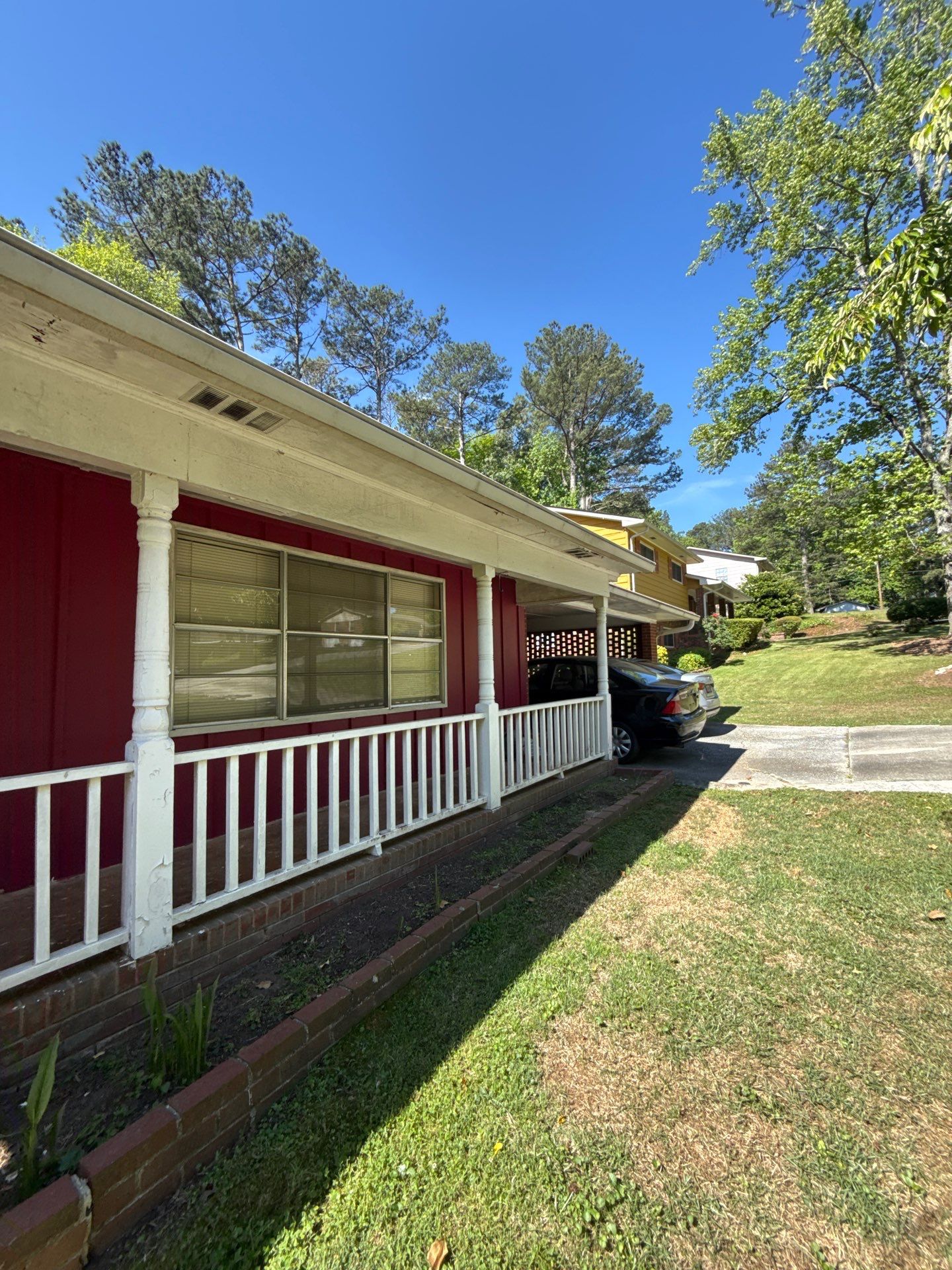
Home Water Damage Restoration Service Soffit Replacement
Soffit Replacement: Stop Rot Before It Reaches the Roof Deck
Trusted gutter experts serving since 2019. Soffit damage usually shows up as soft spots, dark stains, or small holes under the roofline before it becomes a bigger structural problem.
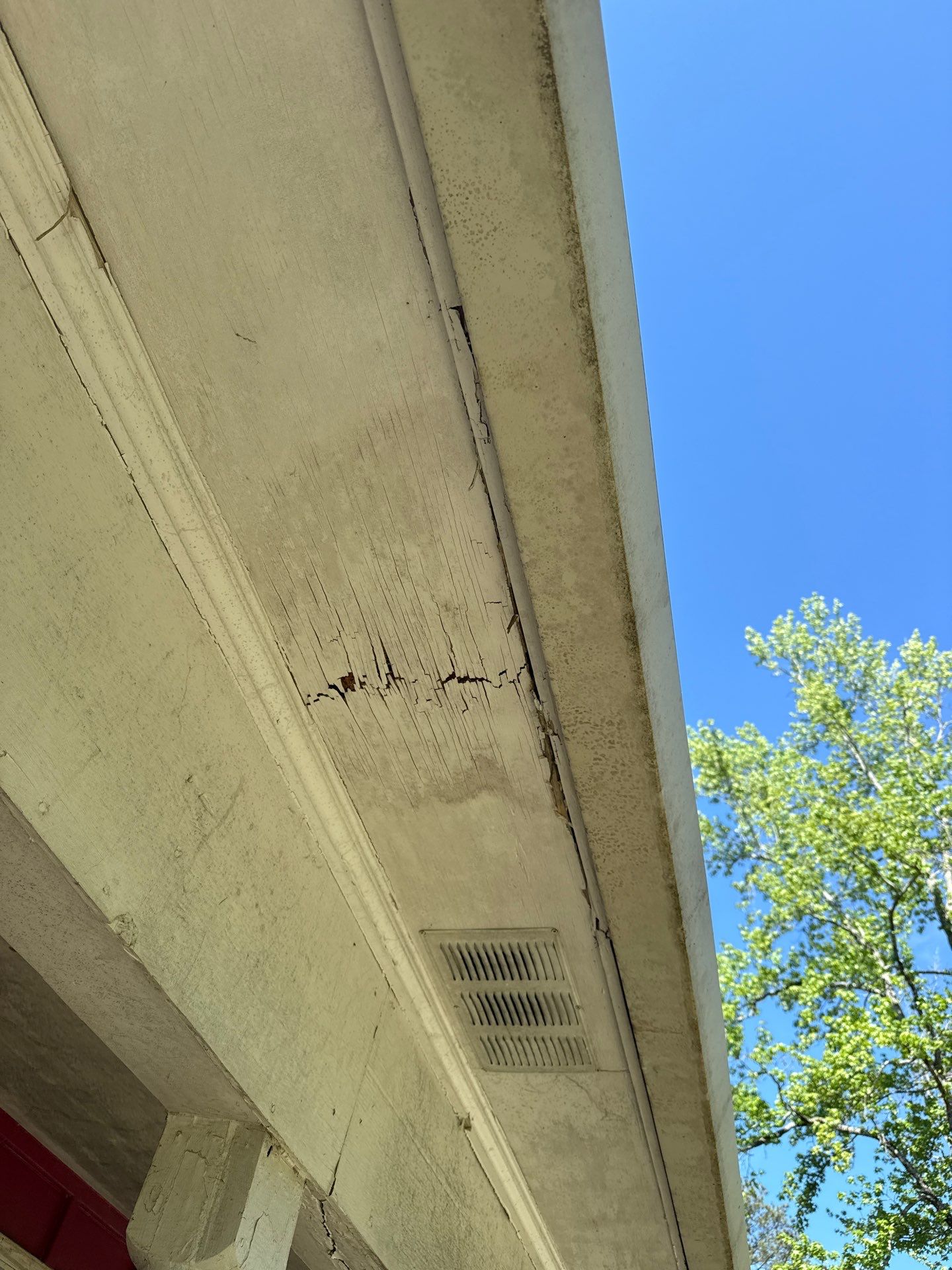
Spotting Soffit Damage Before It Spreads
Quick Summary:
Soffit damage usually shows up as soft spots, dark stains, or small holes under the roofline before it becomes a bigger structural problem. Catching it early keeps water and pests out of the attic and saves the fascia and roof deck behind it.
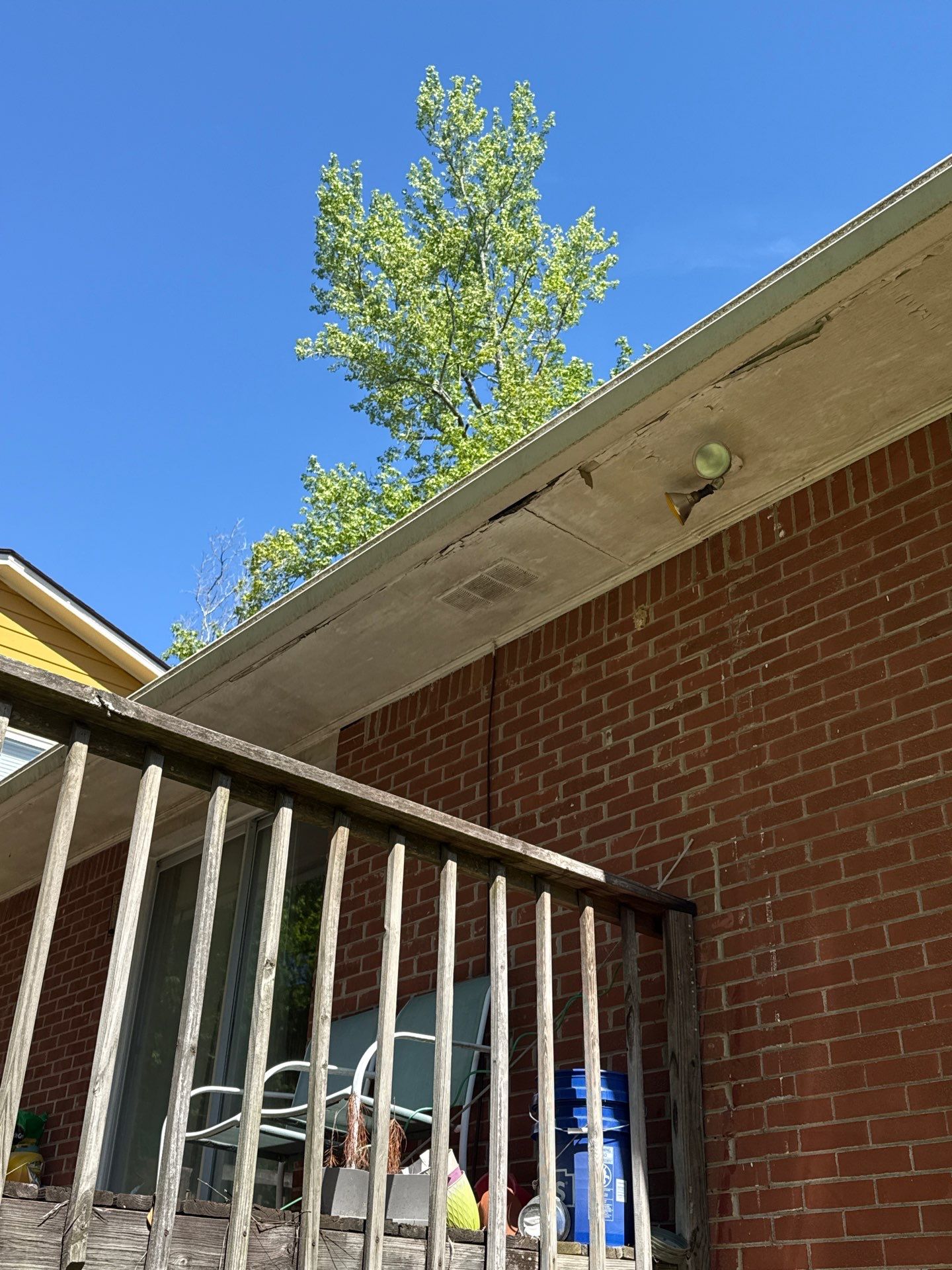
Look up under your roof edge. See any sagging, cracking, or dark streaks? That's usually the first sign something's wrong. Older homes with original wood soffits can develop soft spots over time, especially when moisture and humidity repeatedly affect the wood. Once the wood starts to deteriorate, water and pests can find their way in quickly.
We check for a few things every time we're up there taking photos of a home's soffit and fascia:
None of these on their own mean disaster. But once soft wood stays exposed to moisture, rot can spread quickly. One bad section can lead to additional damage if it's left untreated. Every visit we do includes photos, so you're never guessing what we found or why we're recommending something.
- Soft or spongy spots when you press on the soffit board
- Peeling paint or dark water stains on the underside
- Small holes or gaps, a sure sign birds or wasps may have moved in Sagging sections that pull away from the fascia
- Visible daylight gaps when you look up from the ground
If you catch it at the soft-spot stage, you're usually looking at a repair. Wait too long and it can turn into a full soffit replacement job.
BOOK NOW (opens in a new tab)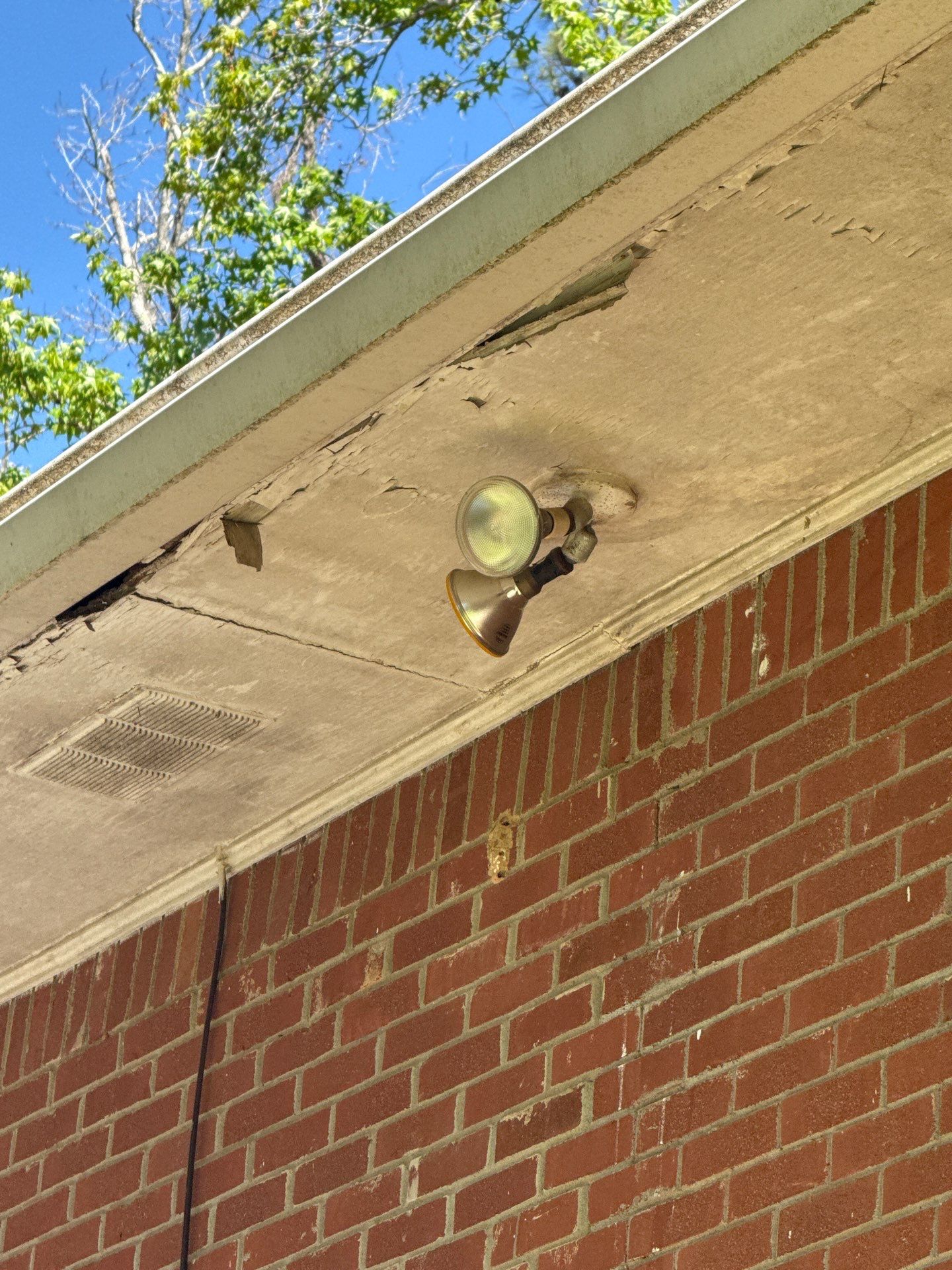
When Soffit Repair Beats Full Replacement
Not every soffit problem needs a full teardown. We say this even though soffit replacement pays our bills, because a small rotted section on one corner of your house doesn't mean the whole run is failing.
Soffit repair makes sense when the damage is local. A woodpecker hole near the eave, a small water stain from a clogged gutter that's since been fixed, or a section that came loose in a storm while the wood underneath is still solid can often be repaired. If the rot hasn't spread past one or two panels, repair may get the job done.
Older homes with original wood soffits can have isolated damage where one bad section doesn't mean the rest of the soffit needs to be replaced.
Here's the thing though. We can't tell you which one you need over the phone. That's why we ask to meet you at the house for an estimate. We need to see the damage up close and talk through what fits your situation before we recommend repair or replacement.
- One or two damaged panels, not a whole side of the house
- Wood behind the soffit is still firm, not soft or crumbly
- No sagging or gaps where pests could be getting into the attic The fascia board underneath still looks straight and solid
If it's spreading, though, patching it just delays the real fix.
CALL (404) 994-3494Soffit Replacement
Book Online, No Call Needed
Damaged, rotted, or unvented soffits can compromise your roof's ventilation, attract pests, and lead to moisture buildup under your eaves and inside your attic. Upgrading worn soffits not only restores critical airflow to protect your roof structure but also significantly enhances your home's curb appeal. Keep your roof healthy and your home protected with professional soffit replacement.
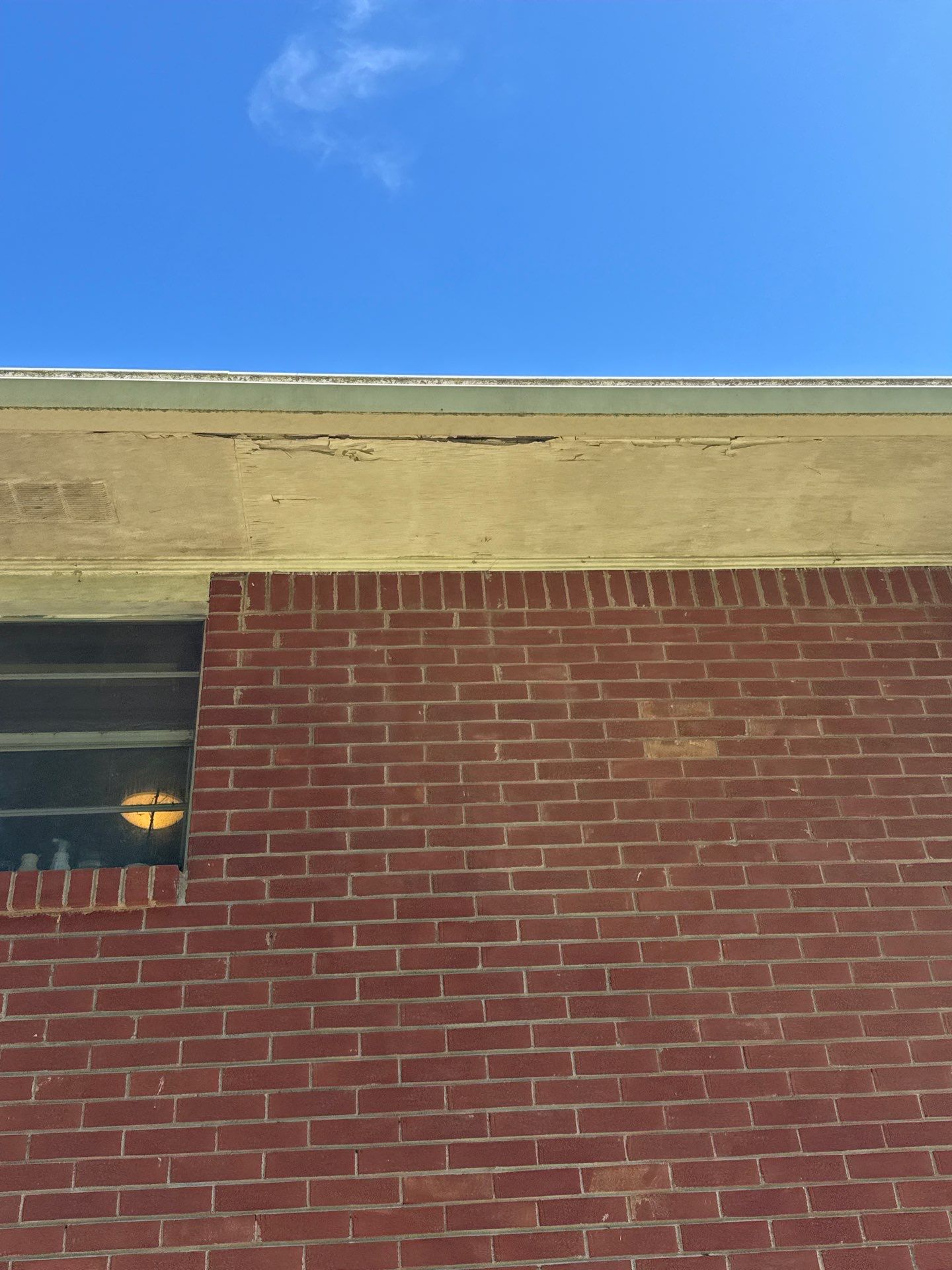
What's Included
Professional Installation & Removal
Complete removal of old, damaged soffits and precision installation of durable, high-performance soffit panels tailored to your home.
Photo Proof & Documentation
High-resolution photos detailing the completed soffit installation, ventilation integrity, and crisp finish.
In-Person Expert Consultation
Our specialist inspects your roof line and eaves to assess airflow, identify underlying moisture issues, and recommend the best material and venting options.
Clear Pricing
View our current soffit replacement pricing directly on our website.
Protect your roof deck. Improve attic airflow. Improve your home's exterior look.
Choosing the Right Soffit Material and Understanding Pricing
Not all soffit is built the same, and that matters more than most folks realize. Wood soffit looks great on many traditional homes, but it's more vulnerable to moisture and rot when exposed to repeated humidity and water.
Aluminum and vinyl don't rot. That's the whole point.
So how does pricing work in this trade? A few things move the number. Linear footage of soffit needed, the material you pick, how much fascia is involved, and how bad the rot already is underneath. A small section on a single-story home is a different job than wrapping a whole roofline on a two-story home with ladders and steep pitches. Access matters too. Tight side yards and overgrown trees can slow the work down.
Here's something worth knowing before you call anyone. For a gutter cleaning visit, you don't need to be home. We take before-and-after photos so you see exactly what we found and fixed. But for a soffit estimate, we need you there. Every home rots differently, and we want to walk it with you, point at the soft spots, and talk through what fits your situation. That conversation is where the real plan gets made, not over the phone.
- Aluminum soffit: Resists moisture and pests, holds paint well, and requires relatively little maintenance.
- Vinyl soffit: Budget-friendly, low-maintenance, and available in a variety of styles.
- Wood soffit: Matches many architectural styles but requires repainting and is more prone to moisture-related damage and rot.
Need help with Soffit Replacement?
CALL (404) 994-3494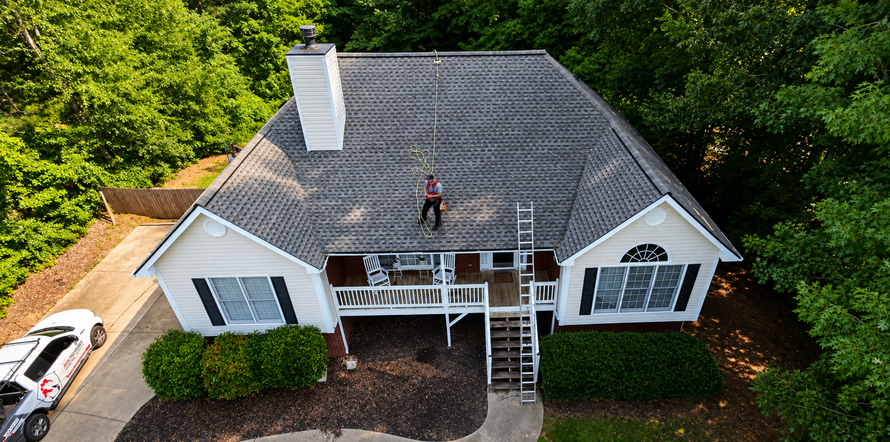
Clean Gutters, Set and Forget
Most Metro Atlanta homes need a check twice a year, once in fall before leaves pile up, once in spring after pine straw and pollen settle in. Sign up for a plan and we'll handle it for you. No more remembering. No more climbing ladders.
START A SEASONAL PLAN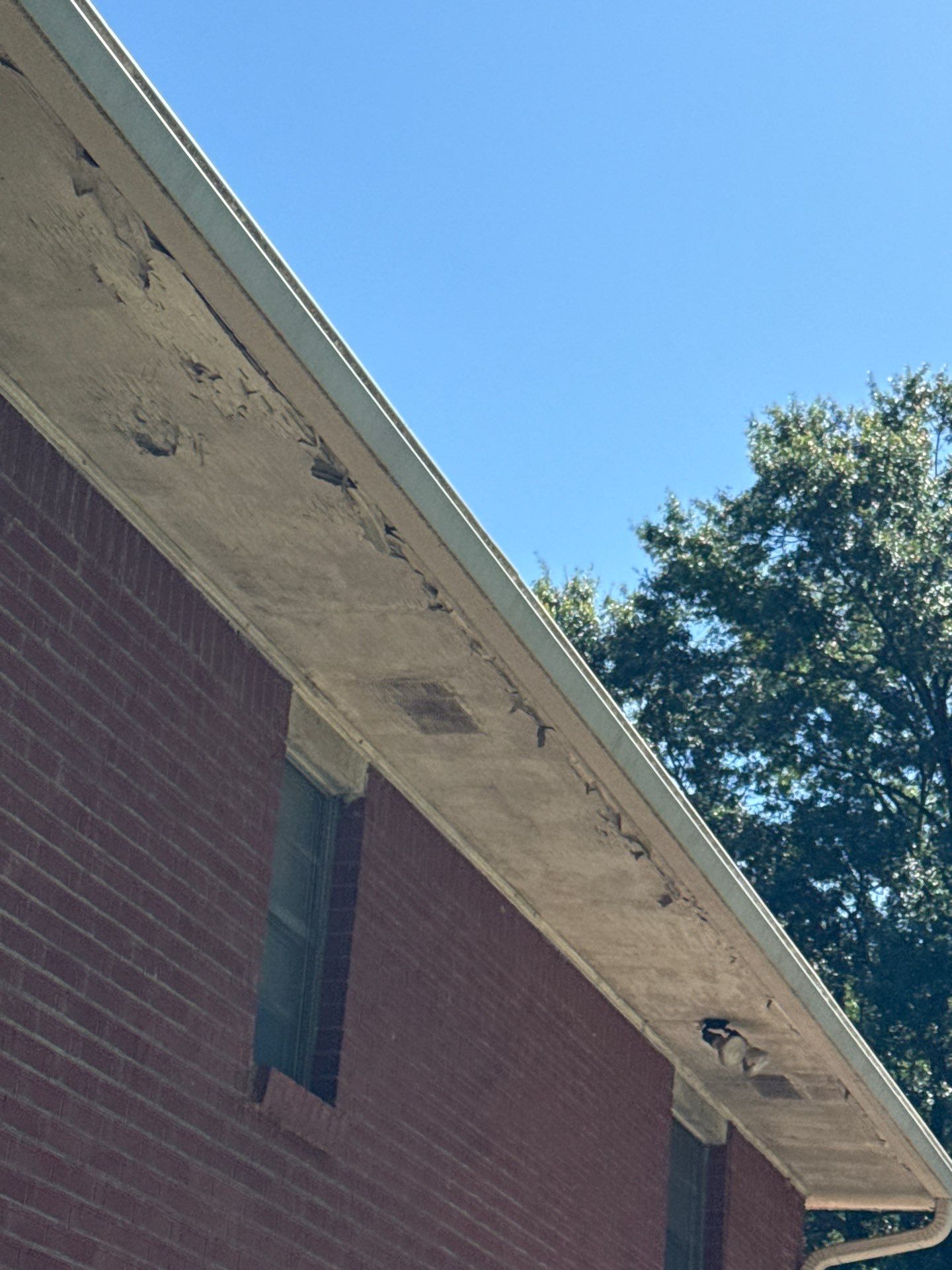
What Happens During Soffit Replacement
Soffit sits under your roofline and closes off the gap where the wall meets the roof edge. It's not decoration. It helps keep rain, pests, and unwanted air movement from getting into places they don't belong.
Here's roughly how a soffit replacement job goes once we're on site:
That last step matters. Pictures are part of every visit we make, gutter cleaning included, so you're never just taking our word for it.
- We pull the damaged soffit panels off and check the rafter tails and fascia board behind them for rot, since soffit damage rarely stops at the soffit.
- We clear out any nests, debris, or moisture we find. There's more going on back there than what you can see from the ground.
- We measure and cut new soffit material to fit your roofline, not a generic size.
- We install the new panels, seal the seams, and make sure ventilation strips line up so your attic can still breathe. We take photos of the whole area, before and after, so you can see exactly what was replaced.
Most single sections wrap up in a day. Bigger jobs with fascia damage take longer, and we'll tell you that up front once we're looking at it in person, not over the phone.
BOOK NOW (opens in a new tab)Trusted by Homeowners
Licensed and insured. Real prices before we start. Before and after photos with every invoice.
CALL (404) 994-3494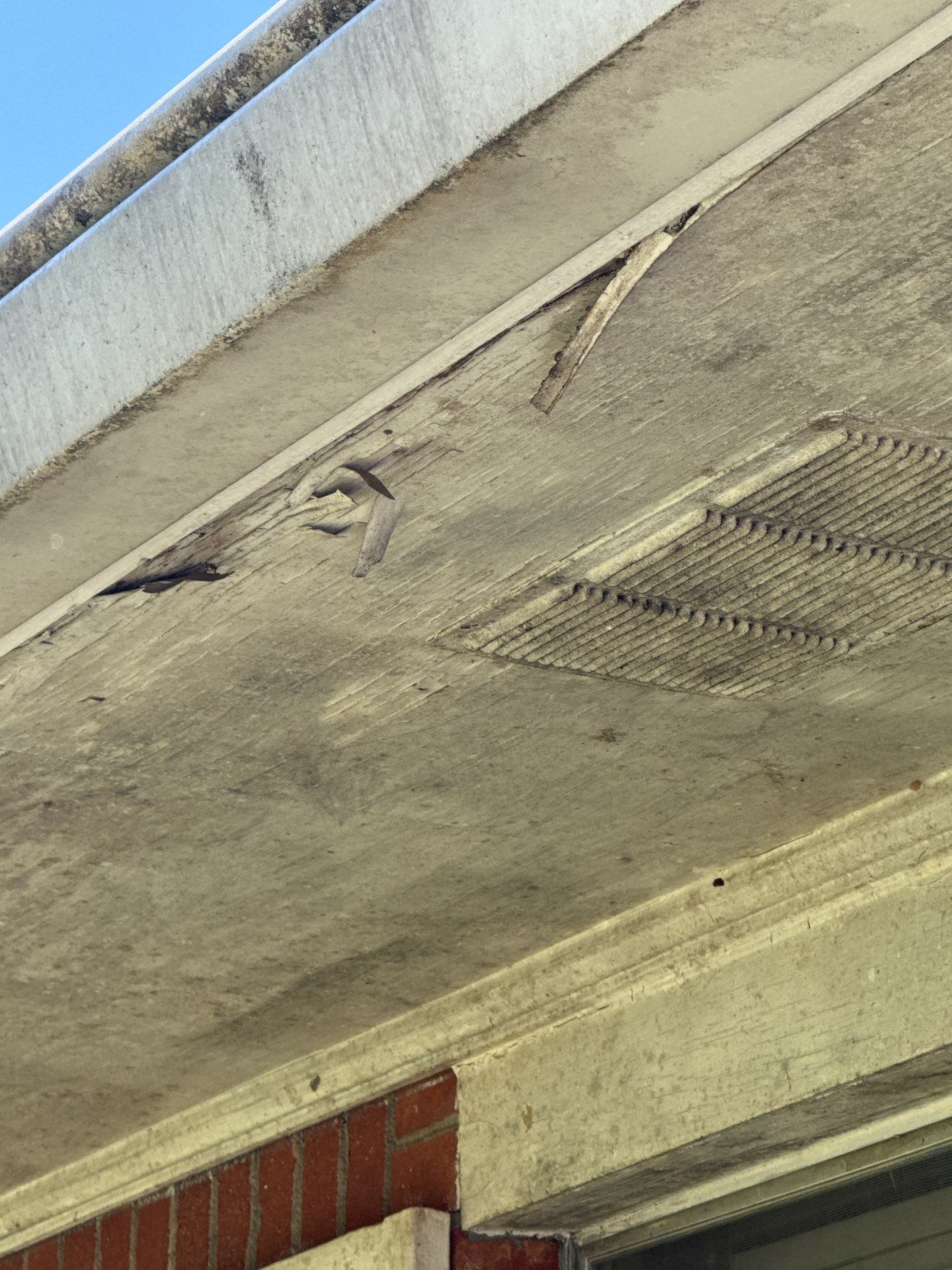
Preventing Future Rot and Pest Entry
Here's the thing about soffit. Once it's soft or gapped, it's not just an eyesore. It's an open door. Squirrels, wasps, and mice don't need much room to get inside. And once they're in your attic, the damage can stack up quickly.
Rot spreads quietly. It doesn't announce itself. Wood soaks up moisture from a clogged gutter or a bad seal, then it softens from the inside out. You may not see it until the paint starts bubbling or a pest finds the weak spot first.
Watch for:
- Dark streaking or sagging panels near the roofline
- Small holes or chew marks around vents
- Scratching sounds or buzzing near the eaves
- Musty smells in the attic after rain
- Paint peeling or wood that flexes when pressed
When we're called out for a pest problem, the real issue can sometimes trace back to soffit that should've been repaired or replaced earlier. Replacing it before the rot spreads to the fascia or roof deck can save you from dealing with much more extensive damage later. That's the whole point of staying ahead of it instead of chasing it.
BOOK NOW (opens in a new tab)Frequently Asked Questions
Common questions about Soffit Replacement
Do I need to be home for a soffit replacement estimate?
Yes, we ask you to be there for a soffit estimate. Every home rots differently, and we need to walk the roofline with you to point out soft spots and talk through what fits your situation. This is different from a gutter cleaning visit, where we take before-and-after photos and you don't need to be present. Soffit damage often hides behind the boards, so seeing it together helps us give you an honest plan instead of guessing over the phone.
What happens when you arrive to replace my soffit?
We start by pulling off the damaged panels and checking the rafter tails and fascia board behind them for rot. Soffit damage rarely stops at the soffit itself, so we clear out any nests or moisture we find back there. Then we measure and cut new material to fit your roofline, install it, seal the seams, and line up ventilation strips so your attic can still breathe. We take before-and-after photos so you see exactly what got replaced and why.
Why does soffit rot happen?
Soffit rot is usually connected to repeated moisture exposure, poor ventilation, clogged gutters, damaged flashing, or deteriorating seals. Wood soffits are especially vulnerable because they can absorb moisture over time. Once the wood begins to soften, water and pests can get through damaged areas more easily. Catching soft spots early usually means a repair instead of a full soffit replacement job.
How do I know if I need soffit repair instead of full replacement?
Repair usually works if the damage is limited to one or two panels and the wood behind them is still firm. Look for no sagging, no gaps where pests could get into the attic, and a fascia board that still looks straight underneath. A woodpecker hole or a stain from an old gutter clog often falls into this category. We still need to see it in person before recommending repair or replacement, since every roofline rots a little differently.
How long does a soffit replacement job take?
Most single-section soffit jobs wrap up in a day. Bigger jobs, especially ones where the fascia board underneath is also damaged, take longer to finish right. Access matters too. Tight side yards, landscaping, and difficult roofline access can slow the work down. We'll give you a realistic timeline once we're looking at the damage up close, so you know what to expect before work starts.
What soffit material holds up best?
Aluminum soffit is a popular choice because it resists moisture and pests and requires relatively little maintenance. Vinyl soffit is another low-maintenance option and can be more budget-friendly. Wood soffit can provide a traditional appearance but requires more maintenance and is more vulnerable to moisture and rot. The right material depends on your home's design, existing materials, exposure, and budget.
Why do older homes have more soffit problems?
Age doesn't rot wood, water does. Older homes show more soffit damage because they've had more years of exposure to bad drainage, poor ventilation, and skipped maintenance, not because the boards hit a certain birthday. Read the full guide.
Replace the Run, Keep the Airflow
A full soffit run has to vent as well as it seals. We match the vent pattern when we replace it.
BOOK NOW (opens in a new tab)Or call (404) 994-3494

Metro Atlanta's dedicated gutter specialists. Cleaning, repair, replacement, downspouts, drainage and soffit work, done right the first time with photo proof on every job.
Gutter Services
Drainage & Roofline
© 2026 Shelter Guard Gutter Cleaning and Repair. All Rights Reserved.