No clogged gutters. Cleaned in 24 hours or less.
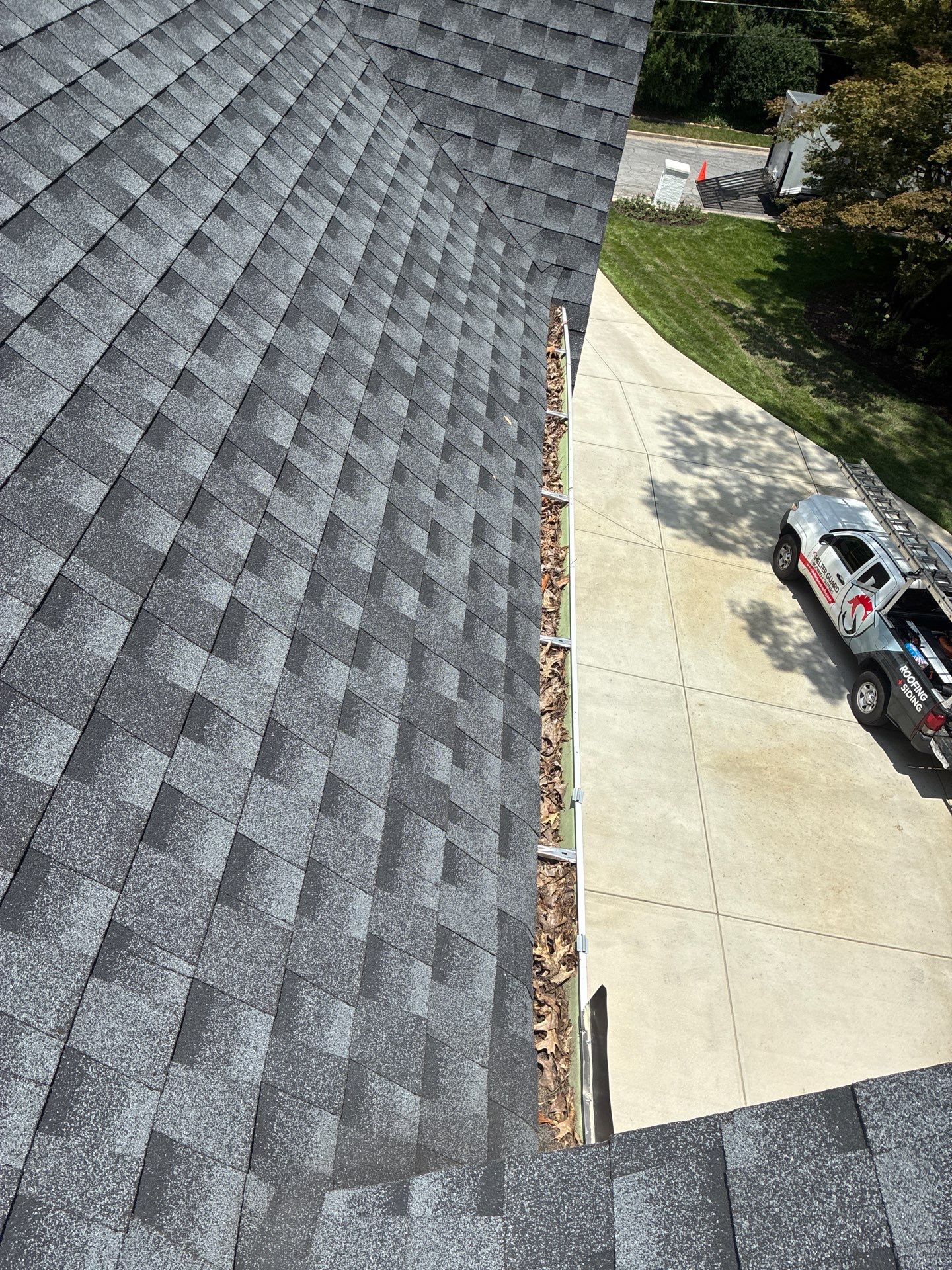
Home Gutter Service Gutter Reattachment
Metro Atlanta, GAGutter Reattachment: Stop the Sag Before It Costs You More
Loose gutters get re-secured, not patched over.
A gutter that has pulled away from the roofline isn't cosmetic. It's a gap in how your home sheds water. We find what caused it before we drive a single screw.
Licensed & Insured · Serving Metro Atlanta Since 2019
What's covered on this page
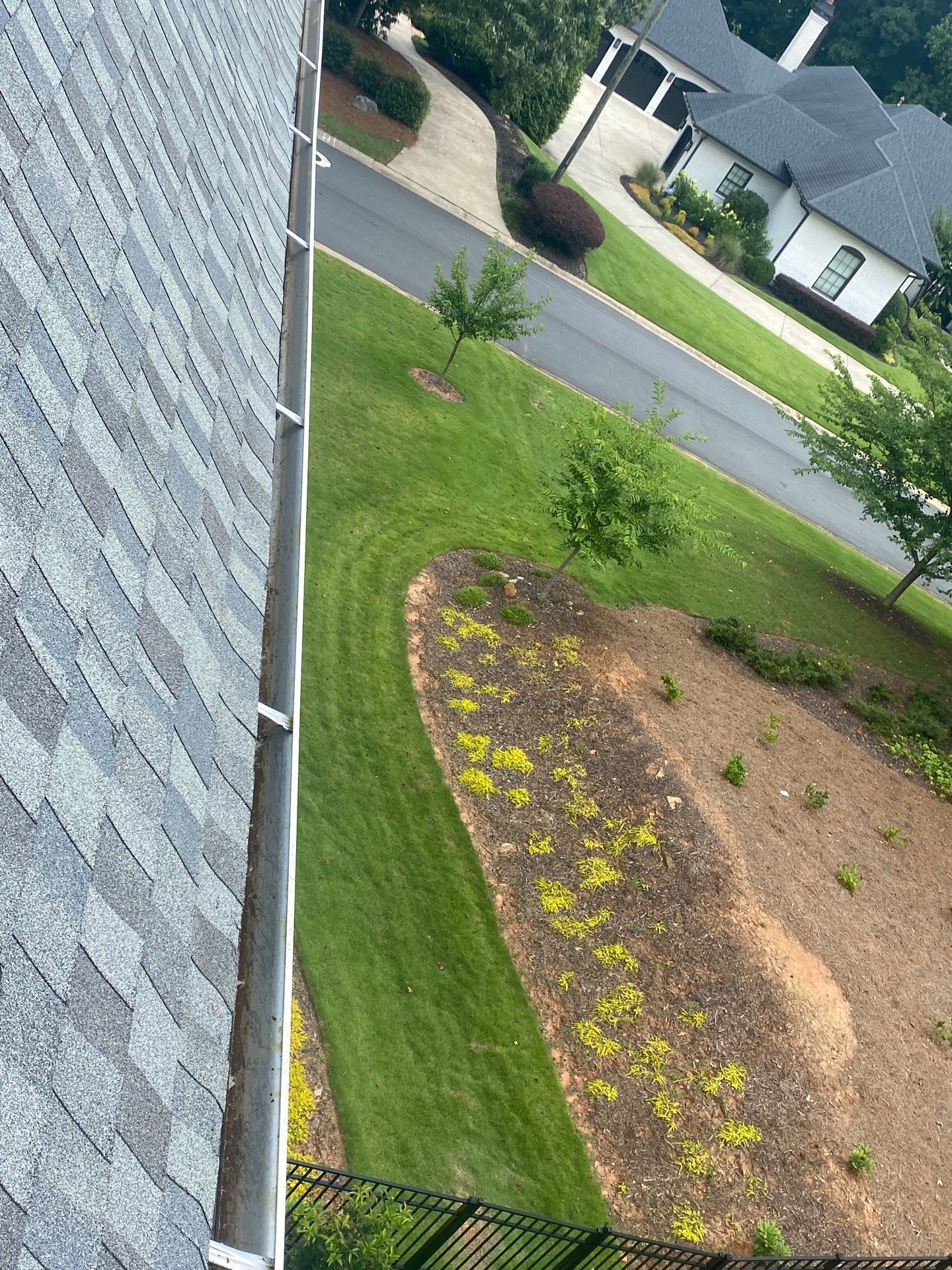
Signs Your Gutters Are Pulling Away From the House
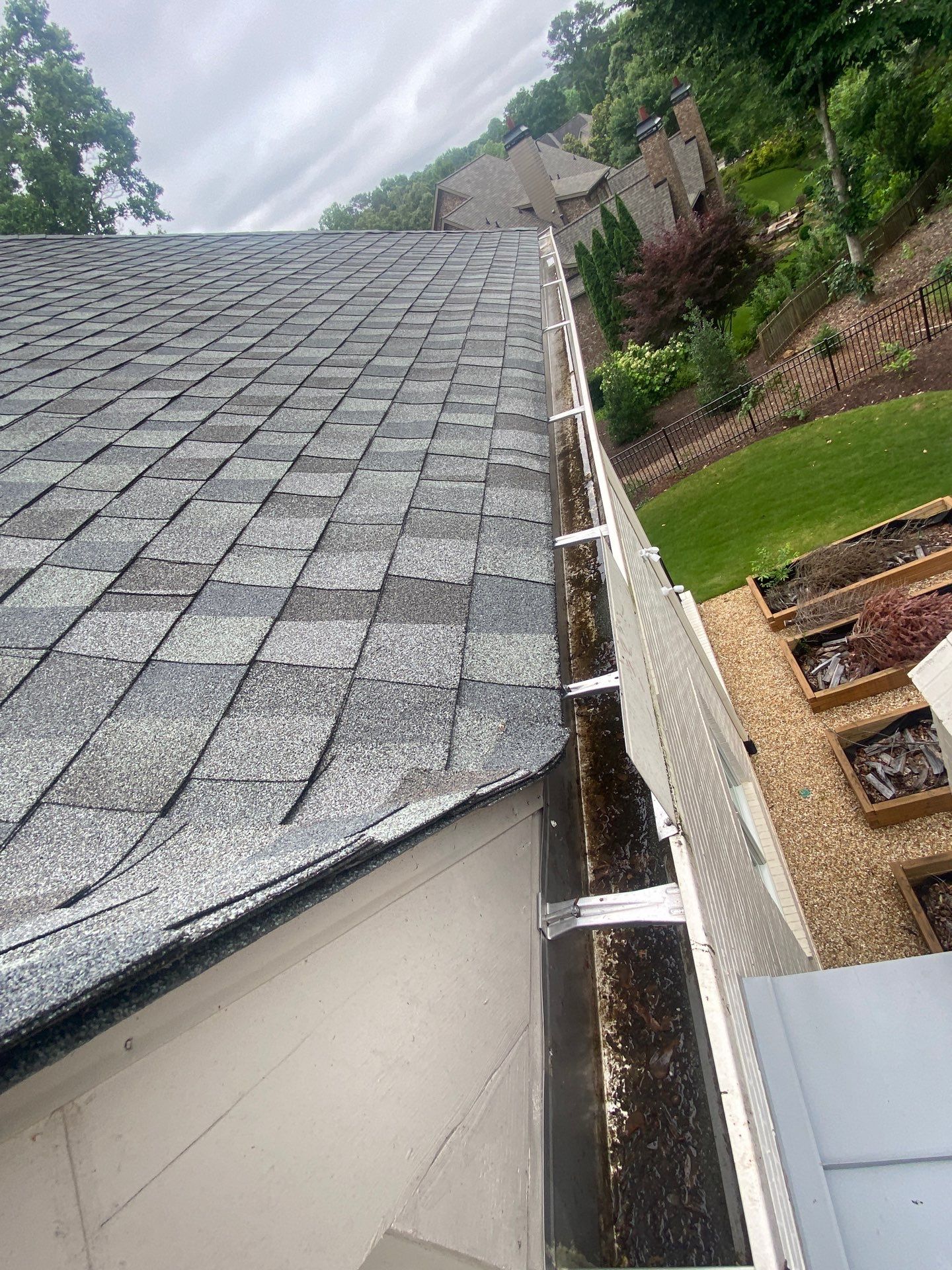
Gaps between the gutter and the roofline, sagging sections, and streaks on your siding are the clearest signs your gutters have pulled loose. Catch it early and reattachment is usually a straightforward repair. Wait too long and the fascia underneath can start to rot too.
Homeowners often call us after they spot one thing: water running down the side of the house instead of through the downspout. That's the gutter telling you it's already separated from the fascia board, even if you can't see it clearly from the ground.
- A visible gap between the gutter and the roof edge, sometimes just an inch, sometimes wide enough to see daylight
- Sagging or dipping sections that hold water instead of draining it toward the downspout
- Nails or spikes lying in your flower beds or driveway after a storm
- Brown or black streaking on the siding right below the gutter line
- A gutter section that shifts or wobbles when you tap it with a broom handle
Older homes with wood fascia boards can be especially vulnerable to this problem. Wood swells, dries, and changes with seasonal moisture, and those repeated cycles can gradually loosen the fasteners holding your gutters in place.
So how do you know if it's a small fix or a bigger problem? Look at the fascia board itself.
If it's soft, spongy, or dark where the gutter meets it, water has been sitting there for a while. That's not just a reattachment job anymore, that's fascia repair too. We check for that every time we're up on the ladder, and we always take before-and-after pictures so you can see exactly what we found.
Not sure if it's the hangers or the fascia? We'll tell you straight.
Book My Free Inspection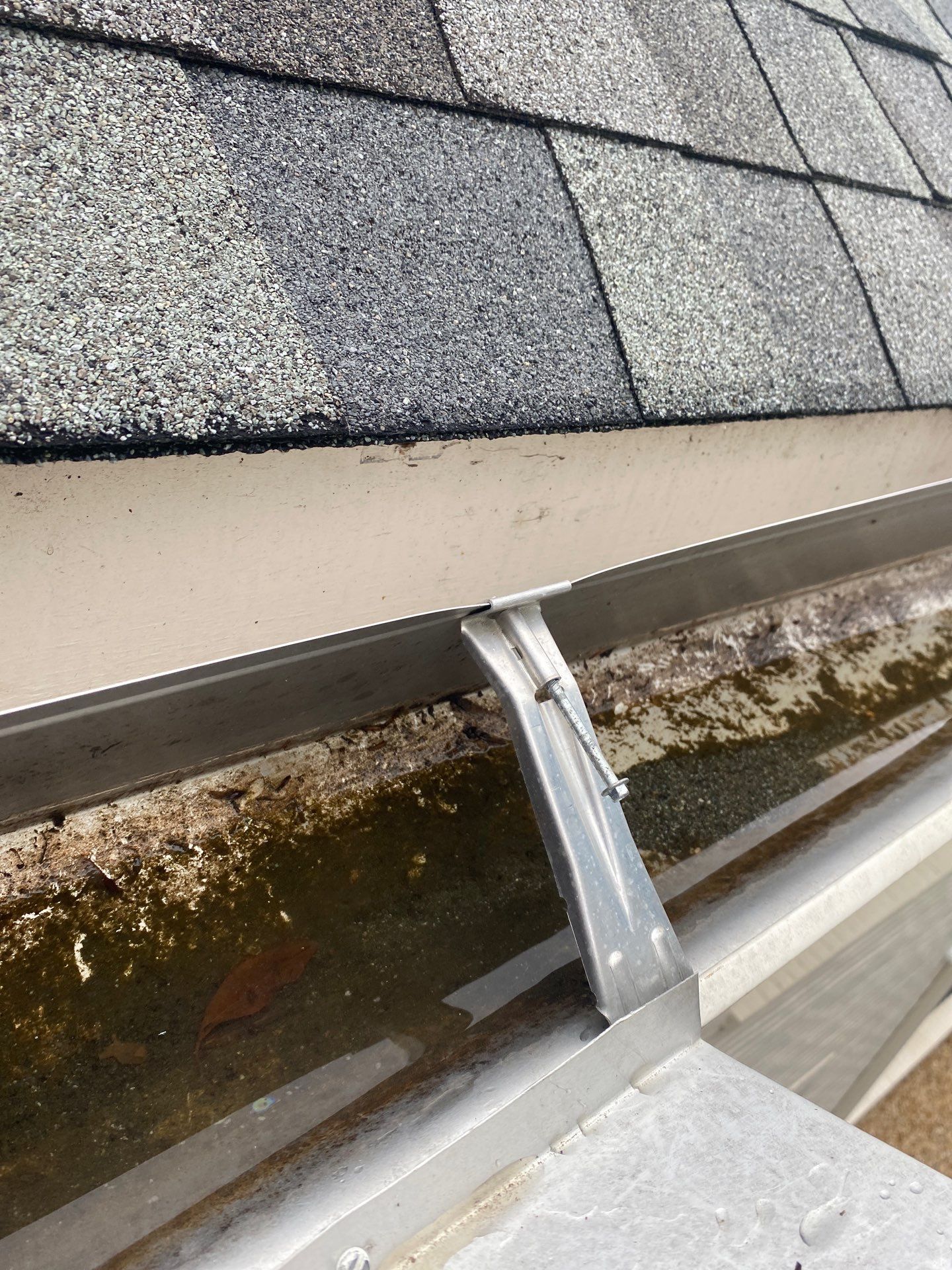
Why Gutters Detach in the First Place
Often, it's the fasteners. Old gutter spikes are essentially long nails driven into the fascia board. Wood expands and contracts with changing temperatures and moisture, and eventually those fasteners can work themselves loose.
Once one fastener fails, the rest of the section carries more weight than it was designed to handle. That's usually when you start noticing the droop.
Years of moisture behind the gutter line can also soften the fascia, meaning even a good fastener may no longer have solid material to grip. Heavy rain and debris can add even more weight to an already weakened connection.
- Rusted or backed-out gutter spikes and hangers
- Soft, rotted fascia board that won't hold a fastener anymore
- Heavy debris or standing water pulling sections down over time
- Wind and storms flexing the gutter away from the roofline
- Gutters installed with hardware that isn't appropriate for the fascia
We see this every single week. Somebody calls after a storm, thinking they need a whole new gutter system, when really it's one bad stretch of fascia and a handful of failed fasteners.
Your gutter is one of the home's main defenses against water damage, so a loose section isn't cosmetic. It's a gap in that protection. Figuring out what caused the problem is the first step, because the fix for rusted hangers looks nothing like the fix for rotted wood.
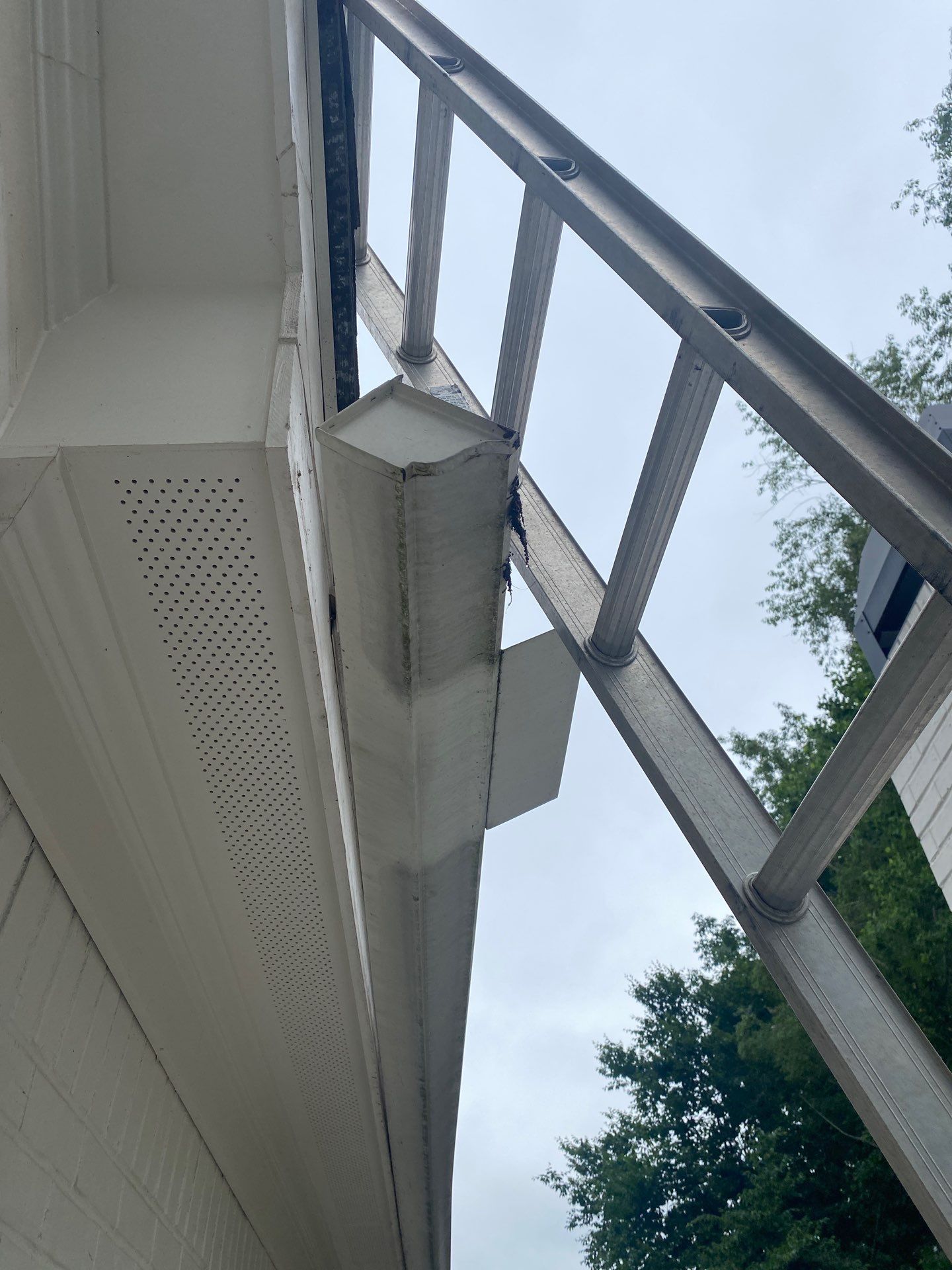
What's Included With Gutter Reattachment
Heavy storms, weight from accumulated debris, or worn-out fasteners can pull gutters loose from your home's roofline. Hanging, loose, or completely detached gutters fail to capture rainwater, causing runoff to spill over your fascia boards, pull down siding, and collect around your foundation. Secure your home's drainage system and prevent costly structural damage with professional gutter reattachment.
- Professional Reattachment & Reinforcement: Re-securing loose or detached gutter sections using heavy-duty, heavy-gauge hangers and corrosion-resistant fasteners anchored directly to the fascia.
- Photo Proof & Documentation: High-resolution photos showing your fully re-secured gutters, updated hardware, and corrected roofline alignment.
- In-Person Expert Consultation: Our specialist inspects the underlying fascia board and soffit for rot or hidden water damage to ensure the structure can securely support your reattached gutters.
- Clear Pricing: View our current gutter reattachment pricing directly on our website.
Eliminate sagging channels. Secure your system against high winds. Protect your fascia and foundation.
Want to know what's actually holding your gutters up? Book a look.
Book My Free Inspection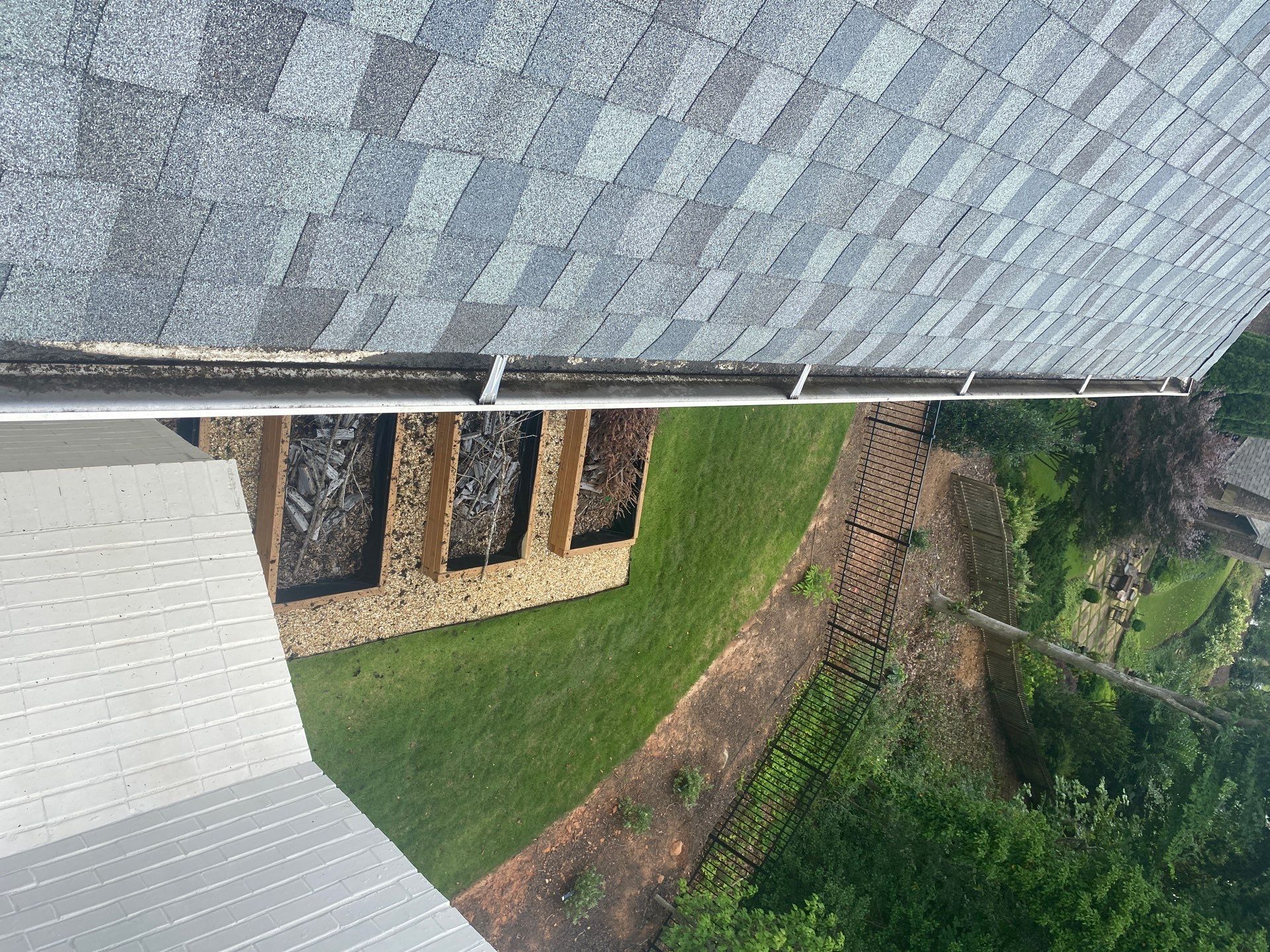
When Reattachment Isn't Enough: Spotting Fascia Damage
Here's the truth. Sometimes a gutter won't stay attached no matter how many screws we drive into it. That's not a reattachment problem, that's a fascia problem. The board the gutter hangs from may be soft, rotted, or deteriorated underneath the paint.
Years of trapped moisture behind clogged or poorly draining gutters can soften wood from the inside out. You often can't see the damage from the ground. We can see it once we're up there with the right tools and inspection equipment.
- Fascia looks warped, wavy, or bows outward instead of running straight
- You can push a screwdriver into the wood and it sinks in soft
- Paint is peeling or bubbling behind the gutter line
- The gutter pulls loose again within months of being reattached
- You see dark staining or a spongy feel along the board edge
So what happens then? We don't just keep screwing a heavy, water-filled gutter into wood that can't hold the weight anymore. We'll walk you through fascia repair or fascia replacement instead, depending on what the damage requires.
A gutter is only as strong as what it's attached to. Reattaching it to damaged wood buys you time, not a lasting fix. We'd rather tell you that upfront than come back out months later for the same problem.
What Happens During a Gutter Reattachment Visit
Gutter reattachment isn't complicated work, but it has to be done correctly or you could end up back at square one after the next major storm.
Here's the order we work in, every time.
- We walk the roofline first and check every hanger, bracket, and seam for looseness or rust.
- We check the fascia board behind the gutter. Soft or rotted wood won't hold a fastener no matter how many screws you drive in.
- We reattach using hangers spaced to handle water weight, not just whatever's fastest.
- We reset the pitch so water runs toward the downspout instead of pooling.
- We test with water before we call it done.
That last step matters. You'd be surprised how many gutters look fine hanging there but still dump water straight down the siding the second it rains.
We take photos through the whole process, before and after every hanger goes in. That's just part of how we do a visit, you don't have to ask for it.
For a straightforward gutter reattachment, you don't need to be home. We'll send you the photos so you can see exactly what we found and what we fixed. Estimates are different though, we do need you there so we can walk the property together and talk through what fits your situation.
Ready to stop watching that section sag? Let's price it out.
Book My Free Inspection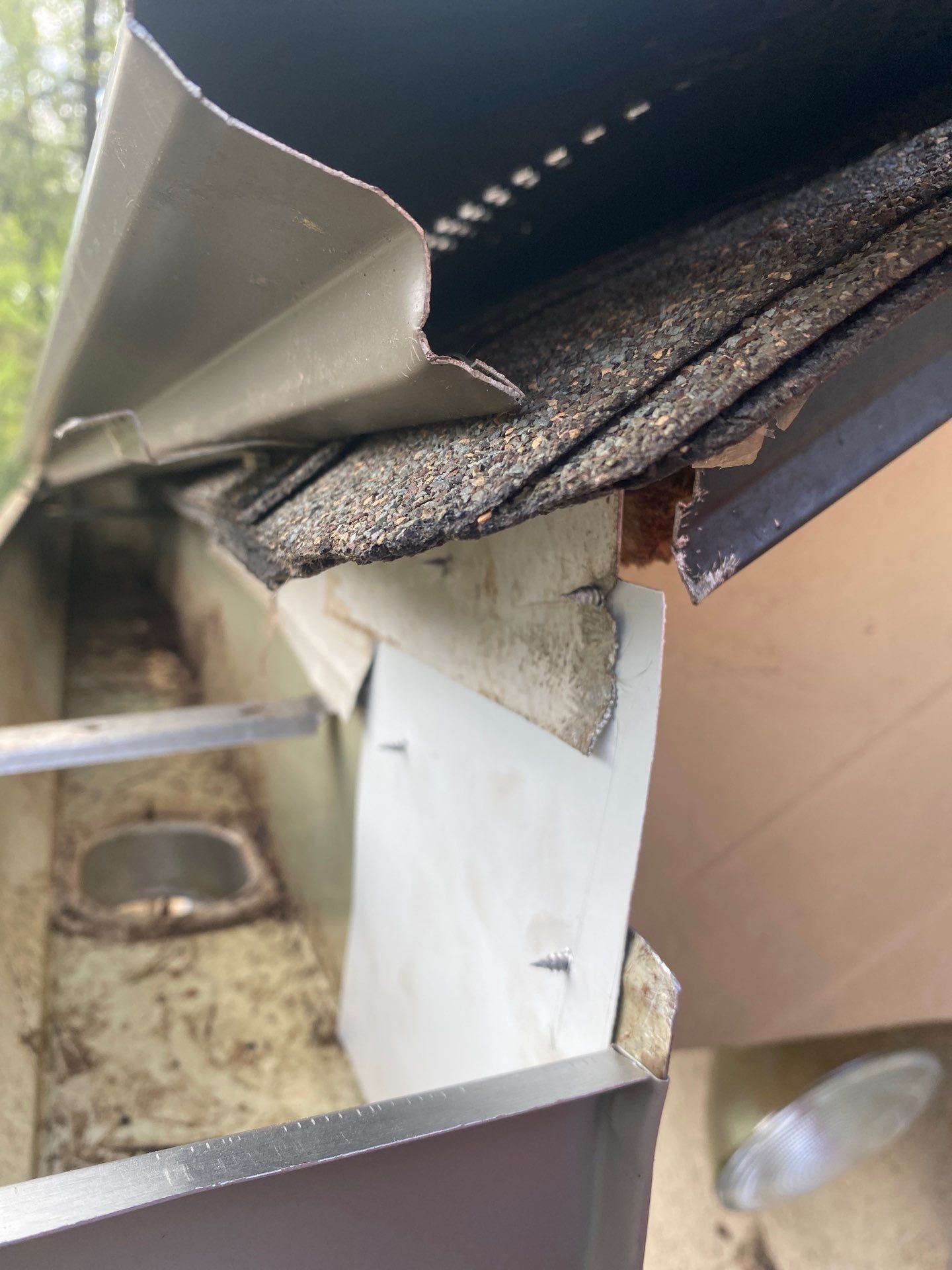
How Gutter Reattachment Costs Are Determined
Nobody likes getting a quote that feels like it came out of thin air. Good gutter work should never feel that way.
Pricing in this trade isn't random, it's built from a handful of real factors we can see and measure once we're on your roofline.
The biggest driver is the condition of what's already there. A gutter that's pulled away because a few hangers rusted out is a different job than one sagging under years of water weight with rotted fascia behind it. We check both before we say a word about cost.
- Linear footage of gutter that needs reattaching or resupported
- Condition of the fascia board the gutter hangs from
- Type of hangers or brackets used, hidden versus spike-and-ferrule
- Roof pitch and height, which affects access and safety equipment
- Whether downspouts or underground drainage need work at the same time
Here's the thing though. We don't guess these numbers over the phone. For a real quote, we need to walk your property with you. You'll be there, we'll be there, and we'll talk through what's happening and what fits your situation.
That's different from a cleaning visit, where we don't need you home. We just need access and we'll leave before-and-after photos so you see exactly what we found and fixed. Estimates are a different conversation. They're about solutions, not a checklist.
Ask any provider what's driving their number before you agree to anything. If they can't explain it in plain terms, that's worth noticing.
Trusted by Homeowners
Licensed and insured. Real prices before we start. Before and after photos with every visit.
Your Gutter Reattachment Questions, Answered
How can I tell if my gutters are pulling away from my house?
Why do gutters keep detaching from older homes?
What happens during a gutter reattachment visit?
How do you decide if I need reattachment or fascia repair instead?
How soon can you schedule a gutter reattachment appointment?
Will a reattached gutter just pull loose again after the next storm?
Don't Wait for the Next Storm
A loose section only gets looser, and the fascia behind it only gets softer. Get a real price and get it secured before the next heavy rain.
Book My Free Inspection
Metro Atlanta's dedicated gutter specialists. Cleaning, repair, replacement, downspouts, drainage and soffit work, done right the first time with photo proof on every job.
Gutter Services
Drainage & Roofline
© 2026 Shelter Guard Gutter Cleaning and Repair. All Rights Reserved.