No clogged gutters. Cleaned in 24 hours or less.
Home Gutter Cleaning Service Gutter Sticks
Gutter Sticks: The Honest Answer on Clog-Blocking Guards
Trusted gutter experts serving since 2019. If your gutters overflow again just weeks after cleaning, the culprit is usually recurring debris buildup rather than a one-time debris pile.
Recurring Overflow Signals It's Time for Gutter Sticks
Quick Summary:
If your gutters overflow again just weeks after cleaning, the culprit is usually recurring debris buildup rather than a one-time debris pile. Persistent sheeting water, fascia stains, sagging sections, and puddles near entry points are all signals that gutter sticks could help solve the recurring cycle.
Most homeowners don't call about gutters until the problem repeats itself. A single overflow after a major storm can happen. But when water starts sheeting over the front edge every few weeks, or you notice the same wet streaks reappearing on the fascia board no matter how often you clear the troughs, that's a pattern worth diagnosing rather than a chore to keep repeating.
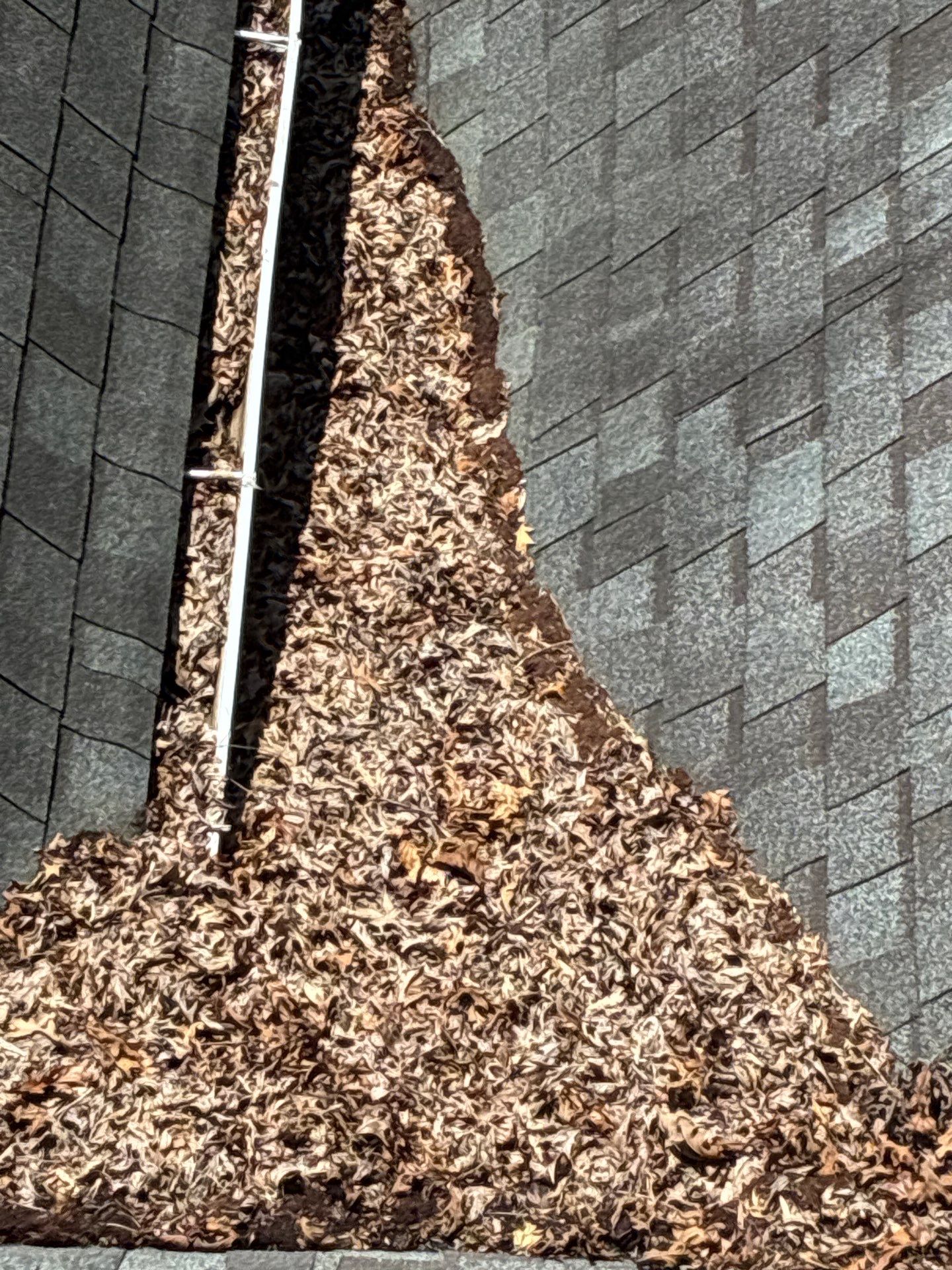
Recurring debris such as pine straw, leaves, pollen, and small roof particles can cause gutters to reclog quickly. Fine debris can settle into the gutter and mix with moisture, creating buildup that traps larger leaves and needles. The result is a gutter that looks clear after cleaning but starts backing up again soon afterward.
- Water visibly sheeting over the gutter's front lip during moderate rain rather than draining through the downspout
- Dark streaking or peeling paint on the fascia board directly beneath the gutter run
- Sections of gutter that sag or pull away from the roofline, often from trapped debris weight
- Standing puddles near doorways, walkways, or the foundation after rainfall
- Granules or plant growth visible inside the gutter trough within a month of cleaning
Standing water isn't just a nuisance around entry points. Gutters that consistently hold water can also create conditions that attract insects and contribute to moisture problems around the home. Homeowners who notice puddling near their front steps, garage, or foundation after every rain may be dealing with a gutter system that can no longer keep pace with the amount of debris entering it.
BOOK NOW (opens in a new tab)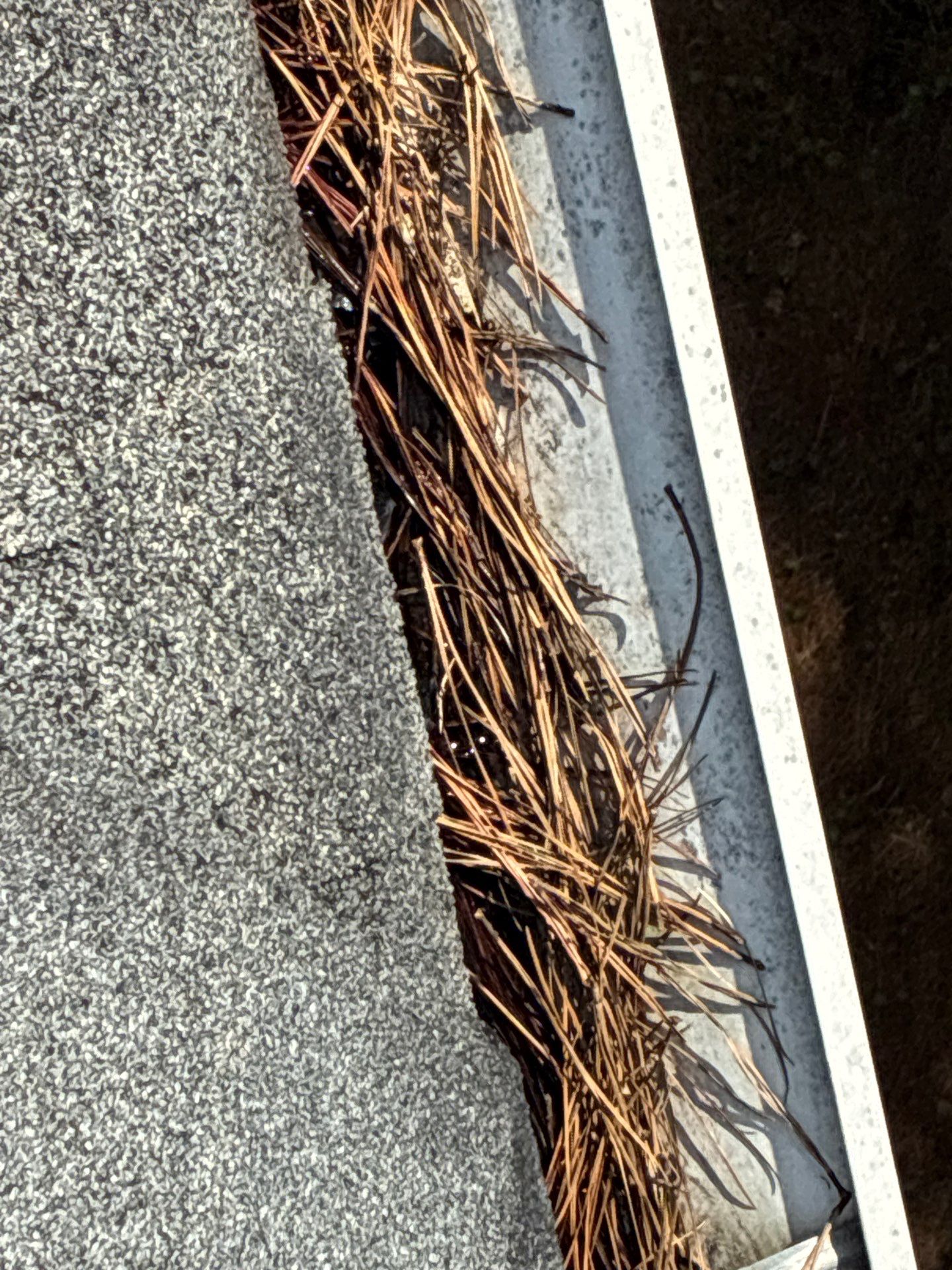
Weighing Gutter Sticks Against Screens, Mesh, and Manual Cleaning
So how do gutter sticks stack up against the other options out there? Screens sit on top of the gutter and catch larger debris, but small grit and shingle particles can still slip through. Mesh guards block more debris, but fine material can collect on the surface and require periodic cleaning. Manual cleaning works until you forget a season, and then the water starts spilling over the fascia.
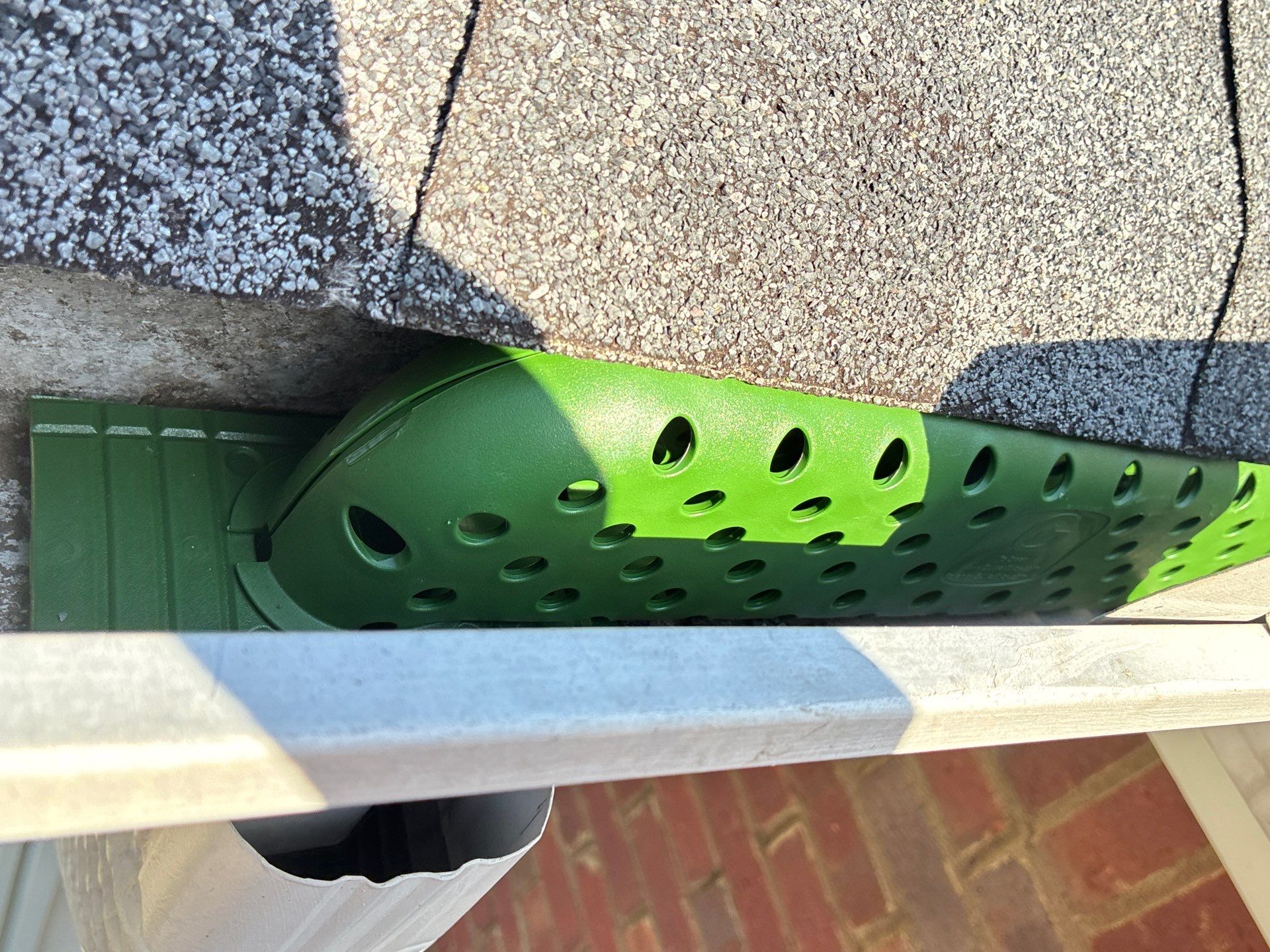
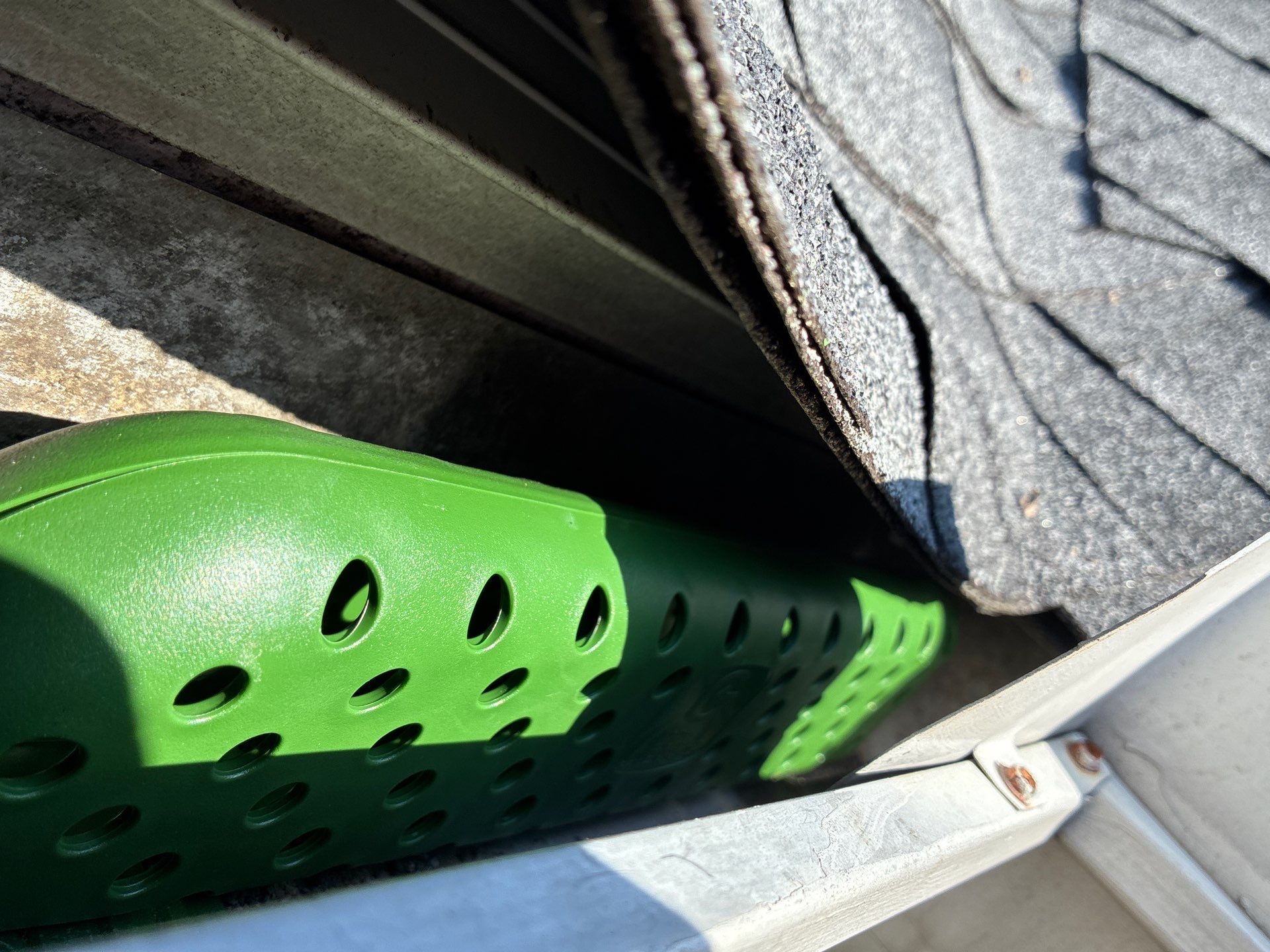
Gutter sticks are different. They sit inside the gutter channel and allow water to flow while helping block leaves and larger debris from packing into the gutter.
- Screens: Cheap upfront, but fine debris can still get through and build up underneath.
- Mesh guards: Better filtering, but fine debris can collect on the surface and require regular maintenance.
- Manual cleaning: No equipment cost, but it's easy to skip and requires working from ladders.
- Gutter sticks: Low profile and designed to reduce the amount of leaves and larger debris entering the gutter channel.
None of these options are a permanent fix-and-forget solution. They all need some attention over time.
CALL (404) 994-3494Gutter Sticks Installation & Protection
Book Online, No Call Needed
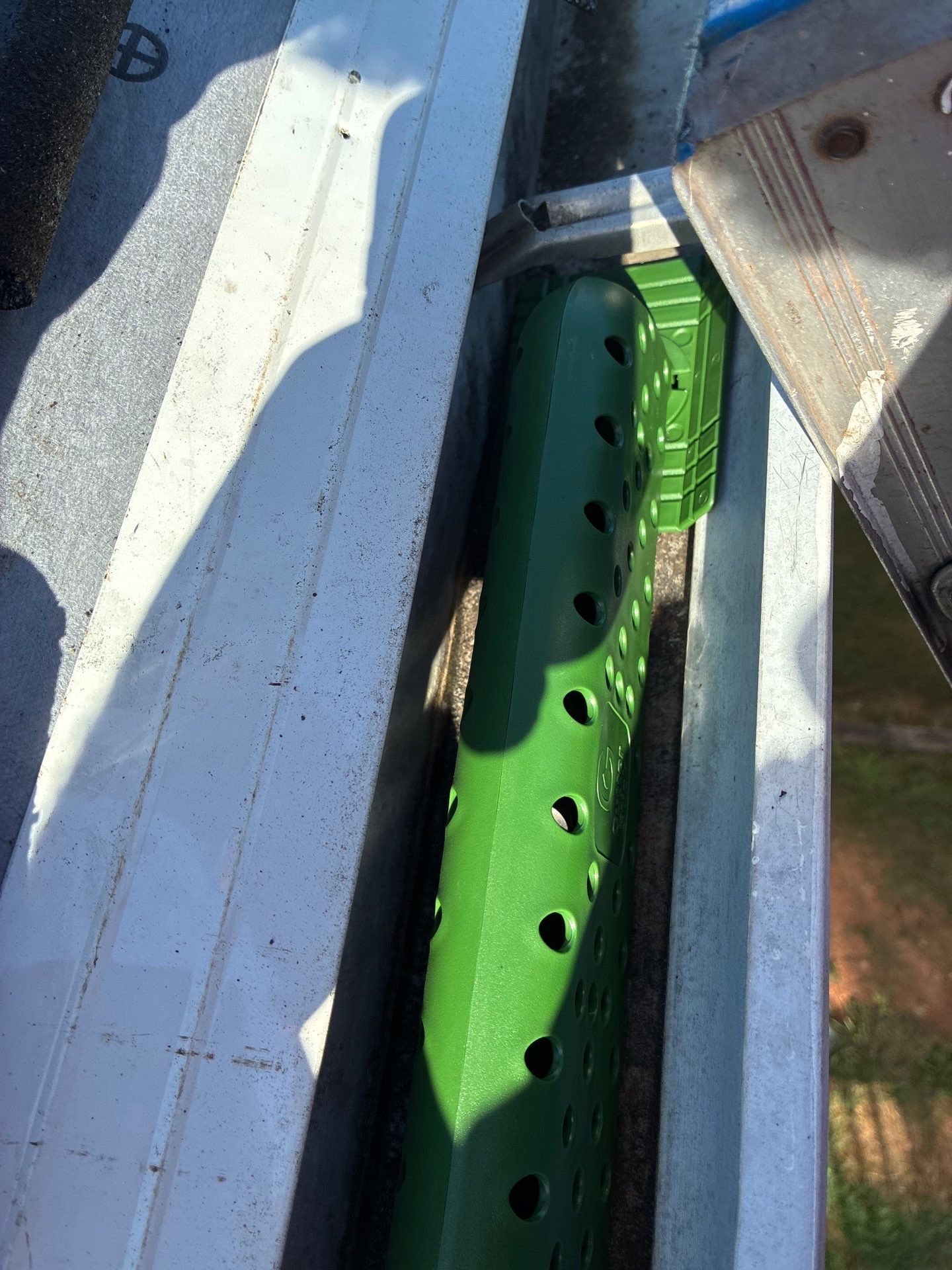
Standard downspouts are prone to clogging from falling leaves, pine needles, and rooftop debris, causing water to overflow and damage your home's exterior. Gutter Sticks act as an advanced, clog-resistant barrier installed directly over your downspout openings, allowing rainwater to flow freely even when your gutters are filled with debris. Keep your drainage system working smoothly and eliminate frequent downspout blockages with professional Gutter Stick installation.
What's Included
Professional Installation
Precision placement and fitting of high-flow Gutter Sticks at all key downspout entry points to prevent debris accumulation.
Photo Proof & Documentation
High-resolution photos showing every installed Gutter Stick and your cleared downspout openings.
In-Person Expert Consultation
Our specialist inspects your gutter layout, assesses heavy-debris zones around your property, and configures the optimal downspout protection plan.
Clear Pricing
View our current Gutter Stick installation pricing directly on our website.
Prevent downspout blockages. Maintain continuous water flow. Protect your gutters from costly overflows.
When Gutter Sticks Are Not the Right Fix
Not every gutter problem gets solved with a stick and a bucket. Sometimes the gutter itself is the issue, not what's sitting inside it.
We see this every single week, a homeowner calls for a basic clean-out, but the real trouble is a sagging section pulling away from the fascia, or a downspout that's blocked below ground and backing up water no matter how clean the trough is.
Gutter sticks work well for leaves, seed pods, and the debris that builds up over a season. They don't fix rot, reattach loose brackets, or stop water from pooling if the gutter pitch is wrong.
- Gutters pulling away from the roofline or hanging crooked
- Water marks or soft wood on the fascia board underneath
- Downspouts clogged below ground level, not just at the top
- Sections cracked, split, or rusted through
- Frequent overflow even right after a cleaning
If you're seeing any of that, cleaning alone just buys you a few more weeks before the same problem happens again.
That's not us trying to upsell you. That's just how the system works.
So here's the honest answer: if the gutters themselves are damaged, you need repair, reattachment, or in some cases replacement, not another round of clearing.
For a straight cleaning visit, you don't even need to be home. We take before-and-after pictures every time, so you'll see exactly what came out and what your gutters look like once we're done.
But if the issue looks bigger than debris, we'll want you there for an estimate. That way we can walk the property together and talk through what fits your situation.
Have questions? We're happy to help.
CALL (404) 994-3494
Clean Gutters, Set and Forget
Gutter sticks slow debris down, but they don't stop it all. How often your gutters need a check depends on what's hanging over your roof. We'll match a plan to your lot and we'll handle it for you. No more remembering. No more climbing ladders.
START A SEASONAL PLAN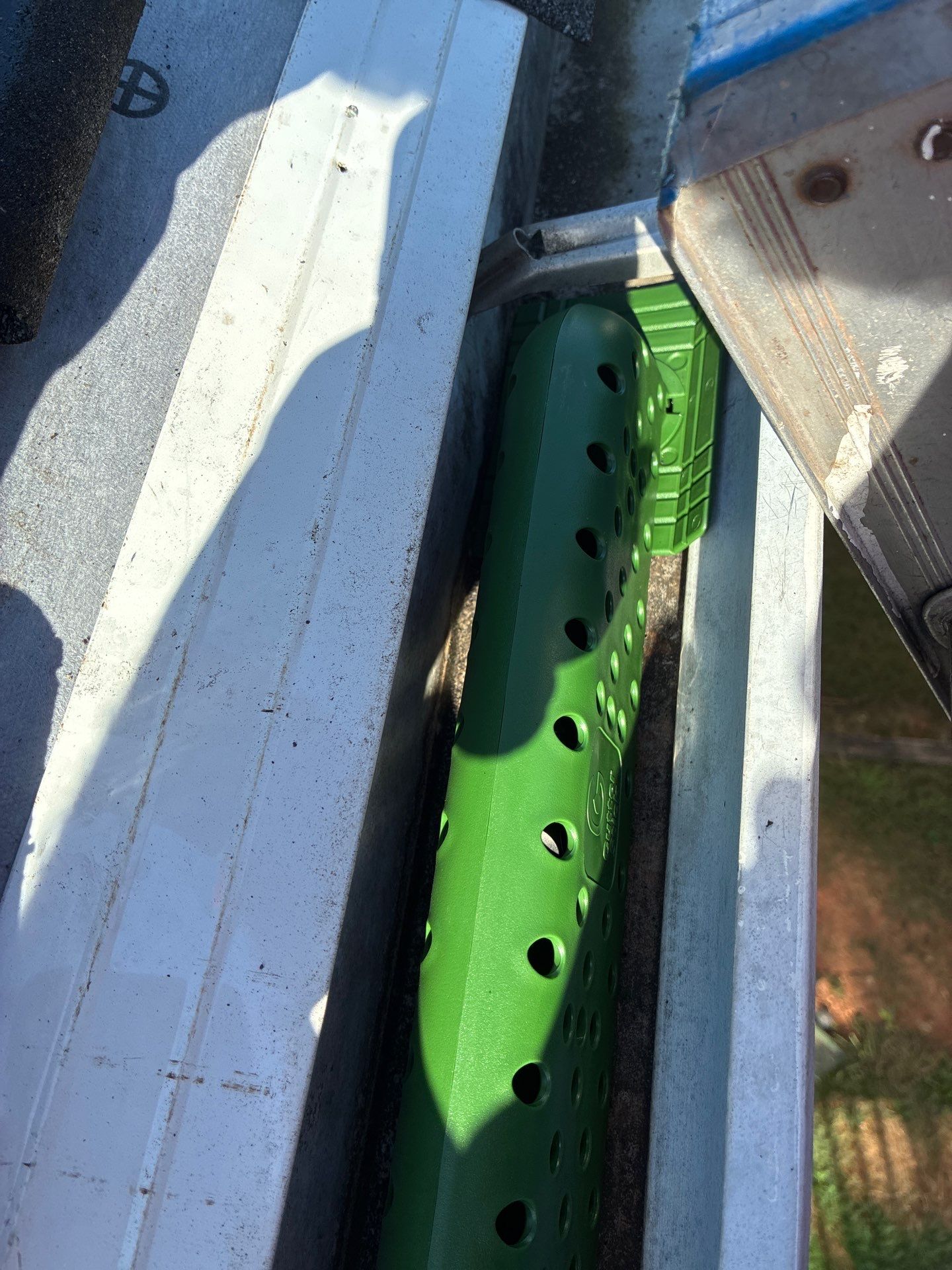
Inspection First: What Installing Gutter Sticks Involves
Before a single gutter guard insert goes into a channel, a proper visit starts with an inspection, not a sales pitch. Gutter sticks perform differently depending on the pitch of the gutter, the condition of the fascia board behind it, and how much debris the system is already handling. Skipping that inspection is how homeowners end up with inserts that don't seat correctly or interfere with proper water flow.
The inspection comes first because it determines whether gutter sticks are even the right fix, or whether a repair needs to happen underneath them.
The condition of the existing gutter system makes this step especially important. Older fascia boards may have soft spots or old attachment holes, while newer systems may have different gutter profiles and hanger configurations.
Knowing which situation is in front of us changes how the installation is approached and can sometimes change the recommendation entirely.
- Check the pitch and attachment of the existing gutter run to confirm water is already draining correctly before adding an insert
- Assess the current debris load, including leaves, pine straw, and roof grit, to gauge how quickly the system may need future maintenance
- Test-fit sample inserts to the actual channel width and profile, since gutter sticks are not universal and gaps can lead to overflow
- Run water through the downspouts to confirm flow is unobstructed and that the guards won't create a bottleneck at the outlet
Every inspection visit includes before-and-after photos of the gutters, the fascia, and the downspout outlets. That record gives the homeowner a clear picture of the starting condition, documents any repairs made along the way, and confirms exactly what the finished installation looks like once the gutter sticks are in place.
BOOK NOW (opens in a new tab)Trusted by Homeowners
Licensed and insured. Real prices before we start. Before and after photos with every invoice.
CALL (404) 994-3494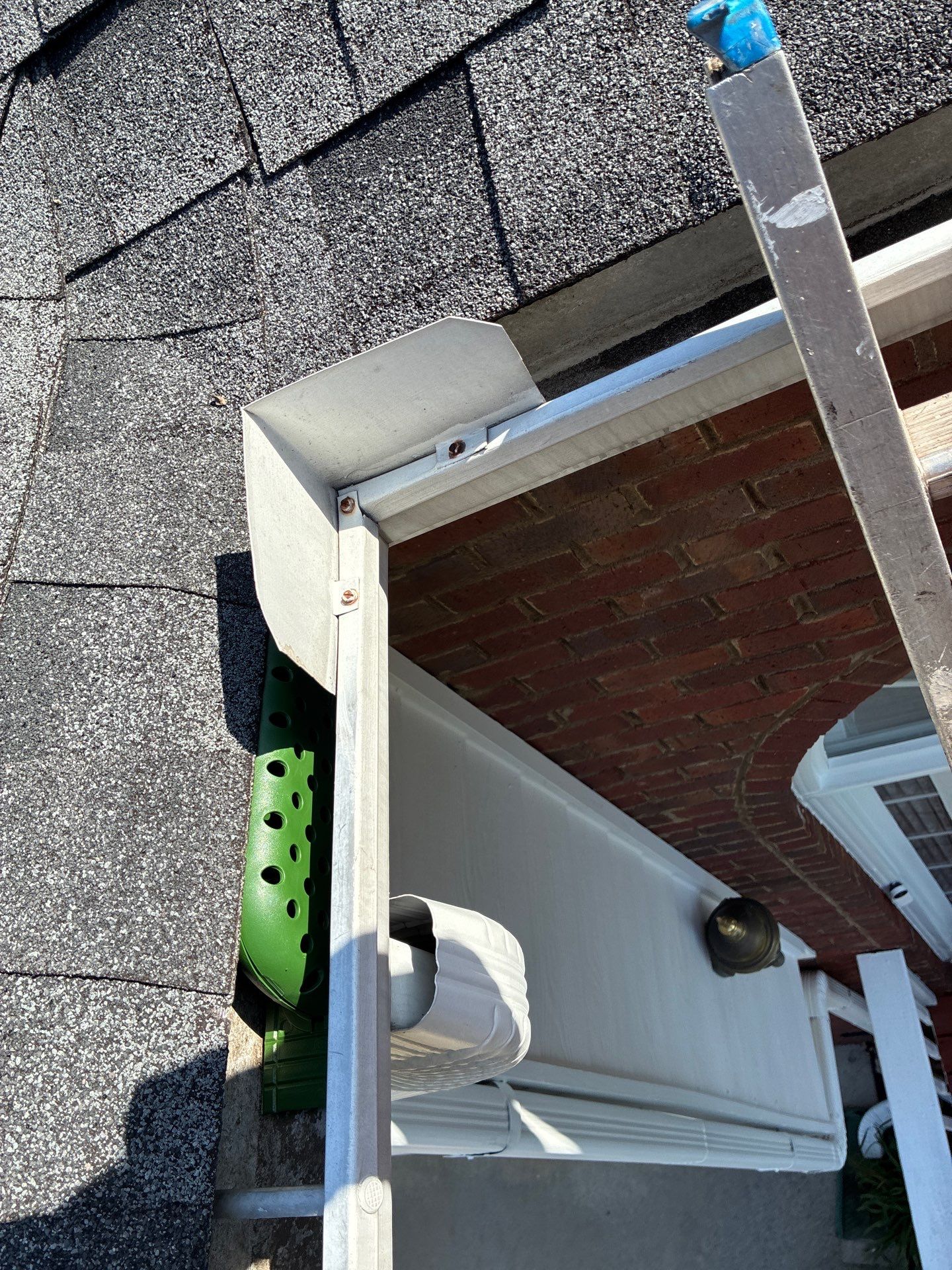
Keeping Gutter Sticks Working Through Debris and Storm Season
Gutter sticks and foam inserts are designed to cut down on debris buildup, not eliminate maintenance altogether.
Pine needles, leaves, pollen, and small debris can still settle on top of the material over time.
The material helps block larger debris from entering the gutter channel, but a thick enough layer of debris can eventually reduce water flow into the downspouts, especially where trees overhang the roofline.
Heavy rainfall can add another challenge. A gutter system that looks fine on a dry afternoon can overflow suddenly during a downpour if the inserts are partially clogged. Rather than waiting for visible problems, periodic verification helps catch buildup before it becomes an overflow issue.
The most useful maintenance approach is a quick inspection several times throughout the year, particularly after periods of heavy leaf or pine-straw drop.
None of this means gutter sticks are ineffective. It means they shift the maintenance task from frequent clearing to occasional verification, which can be a meaningful reduction for many homeowners.
- Check gutters after the heaviest seasonal debris has fallen and before periods of frequent heavy rain
- Look for water marks or staining on the fascia board, which can signal the insert is trapping water underneath
- Do another check after major leaf drop, since leaves can behave differently than pine needles
- Watch for any sagging sections, which can indicate water weight sitting on top of a clogged insert
Setting a reminder for periodic checks helps keep the system doing its job when the next heavy storm rolls through.
BOOK NOW (opens in a new tab)Frequently Asked Questions
Common questions about Gutter Sticks
Do you install gutter sticks on all types of gutters?
Gutter sticks need to fit the existing gutter channel correctly, so we inspect the gutter profile, width, pitch, and attachment points before installation. If the gutter itself is damaged or improperly pitched, we may recommend repairing the system before installing any gutter protection. See our full guide on gutter sticks on all gutter types.
Do I need to be home when you clean my gutters or install gutter sticks?
You don't need to be home for a straightforward cleaning visit. We take before-and-after pictures every time, so you can see exactly what came out and how your gutters look once we finish. If we spot bigger problems, such as sagging sections or damage, we'll want you there for an estimate. That way we can walk the property together and talk through what fits your situation instead of guessing at a fix over the phone. Why do my gutters clog again just weeks after cleaning? This usually happens because of recurring debris buildup. Pine straw, leaves, pollen, and small roof particles can settle into the gutters and combine with moisture. Fine debris can create a layer that traps larger pieces, causing the gutter to clog again soon after cleaning. If the problem keeps returning within weeks, gutter protection may make more sense than repeatedly cleaning the same system.
Why do my gutters clog again just weeks after cleaning?
This usually happens because of recurring debris buildup. Pine straw, leaves, pollen, and small roof particles can settle into the gutters and combine with moisture. Fine debris can create a layer that traps larger pieces, causing the gutter to clog again soon after cleaning. If the problem keeps returning within weeks, gutter protection may make more sense than repeatedly cleaning the same system. See our full guide on why gutters clog again after cleaning.
How do gutter sticks compare to gutter screens or mesh guards?
Gutter sticks sit inside the channel and allow water to flow while helping block leaves and larger debris. Screens sit over the top of the gutter and catch larger pieces, while fine debris can still pass underneath. Mesh guards provide more filtering but can require maintenance when fine debris accumulates on the surface. The right option depends on the type and amount of debris around your home, the existing gutter system, and how much maintenance you're willing to perform.
Can gutter sticks fix sagging or damaged gutters?
No. Gutter sticks handle leaves and seasonal debris, but they can't fix rot, loose brackets, damaged gutters, or incorrect pitch. If your gutters are pulling away from the roofline, showing soft wood on the fascia, or overflowing right after a cleaning, that points to a structural problem instead. In those cases, you need repair or reattachment first. Gutter sticks make more sense once the gutter system itself is sound. See our full guide on whether gutter sticks can fix sagging gutters.
How do I know if I need gutter sticks instead of just a cleaning?
You may benefit from gutter sticks if your gutters repeatedly overflow within weeks of being cleaned rather than only needing occasional seasonal cleaning. Watch for standing puddles near doorways, dark streaking on the fascia, or debris building up inside the trough shortly after a cleaning. These can be signs that recurring debris, rather than a one-time buildup, is overwhelming your gutter system. If the gutters themselves are damaged, however, repair should come before adding gutter protection.
Stop Cleaning the Same Gutter Twice a Season
If the trough is clogging again within weeks, the answer isn't another cleaning. Let's look at what's entering the channel.
BOOK NOW (opens in a new tab)Or call (404) 994-3494

Metro Atlanta's dedicated gutter specialists. Cleaning, repair, replacement, downspouts, drainage and soffit work, done right the first time with photo proof on every job.
Gutter Services
Drainage & Roofline
© 2026 Shelter Guard Gutter Cleaning and Repair. All Rights Reserved.