No clogged gutters. Cleaned in 24 hours or less.
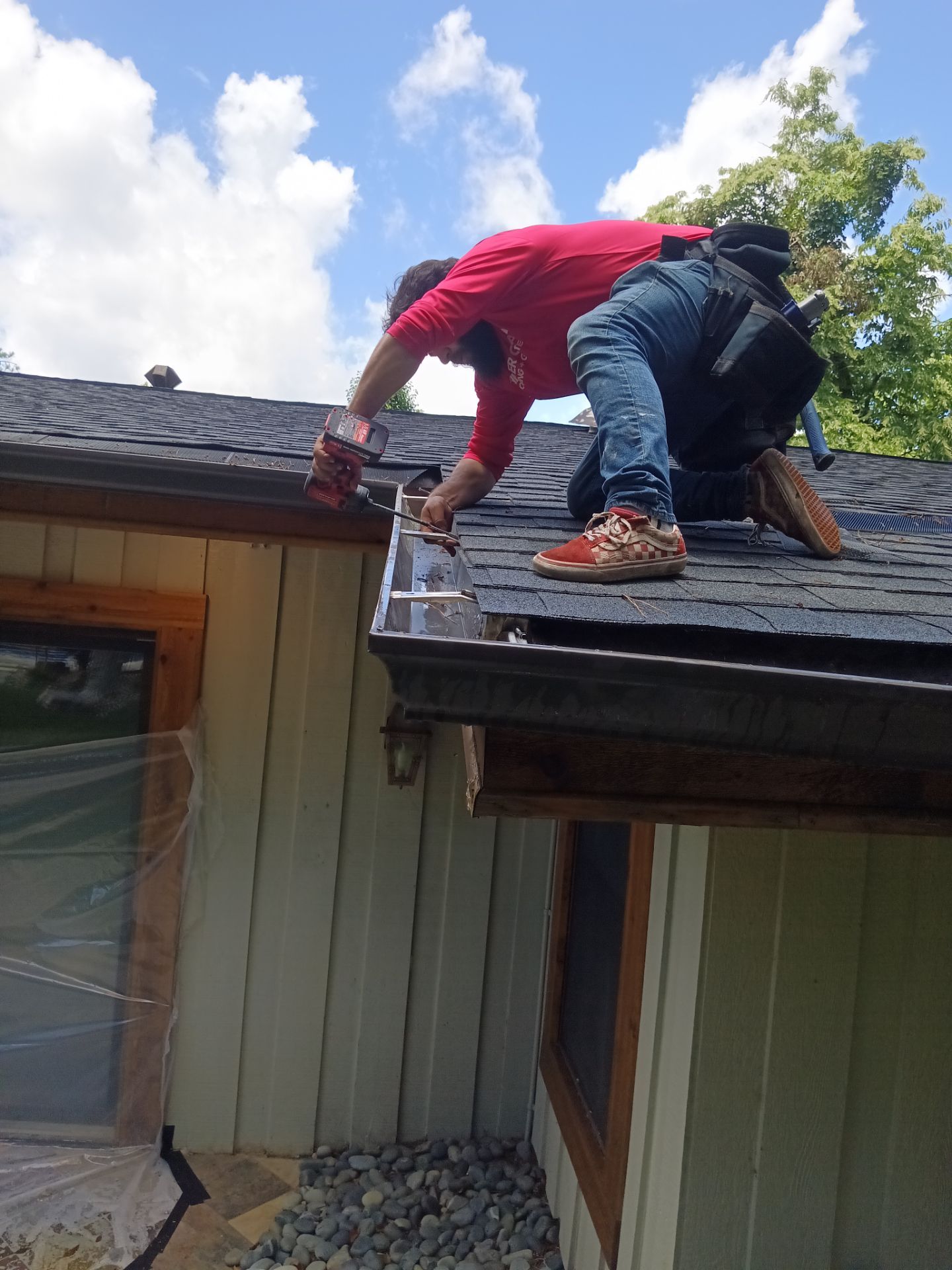
Gutter Repair: Stop the Leak Before It Reaches the Foundation
Most gutter problems are repairs, not replacements.
A sagging section, a loose seam, or a downspout pulling away from the fascia can usually be fixed. We tell you straight which one you're dealing with.
Licensed & Insured · Serving Metro Atlanta Since 2019
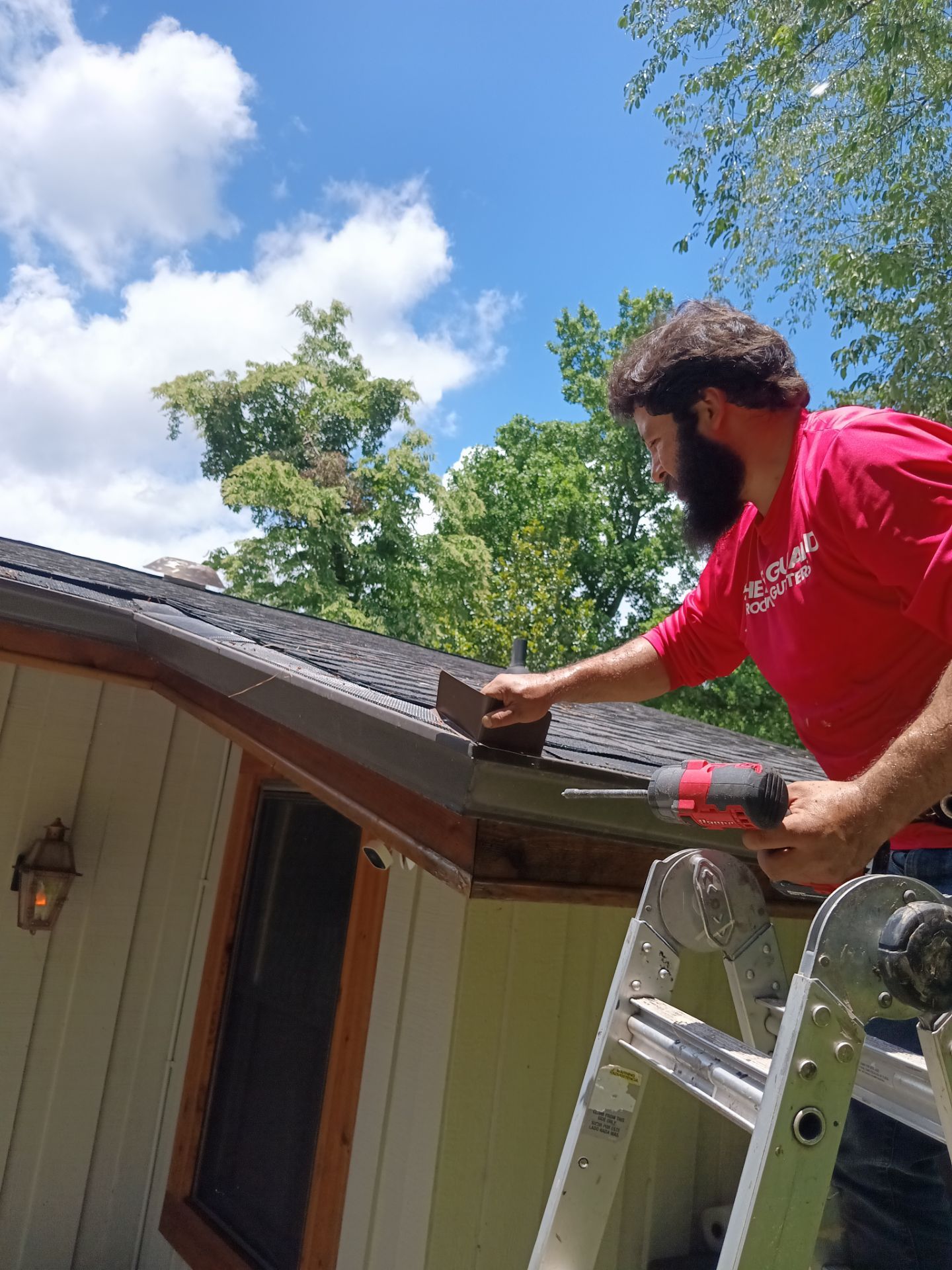
Warning Signs Your Gutters Need Repair
Sagging sections, peeling paint below the fascia, and water marks on your siding all point to gutter trouble. Catching these early stops small repairs from turning into foundation or roof damage. If you spot two or more of these signs, it's time to have someone take a real look.
Most homeowners don't think about their gutters until water shows up somewhere it shouldn't. That's the problem. By the time you see a stain on the ceiling or water damage around the exterior, the problem may have started months earlier.
So what should you watch for? Here's what we see over and over.
- Gutters pulling away from the fascia board or hanging at a visible angle
- Water streaking down the siding instead of flowing through the downspout
- Pooling water or soggy soil right at the foundation after rain
- Rust spots, cracks, or small holes along the gutter seams
- Peeling paint or dark stains on the fascia and soffit boards
Nine times out of ten it's the same culprit: clogged sections holding water weight until brackets loosen and the whole run starts to sag. We've walked up to plenty of homes where the owner thought it was a minor sag, and the fascia board underneath was already soft from months of trapped moisture.
Not sure if what you're seeing counts as an emergency? It usually isn't, but waiting rarely helps either. Small gaps and loose brackets are easier to fix early. Left alone through repeated storms, they turn into fascia repair or even foundation problems.
Not sure if you need a repair or just a cleaning? We'll tell you straight.
Book My Free Inspection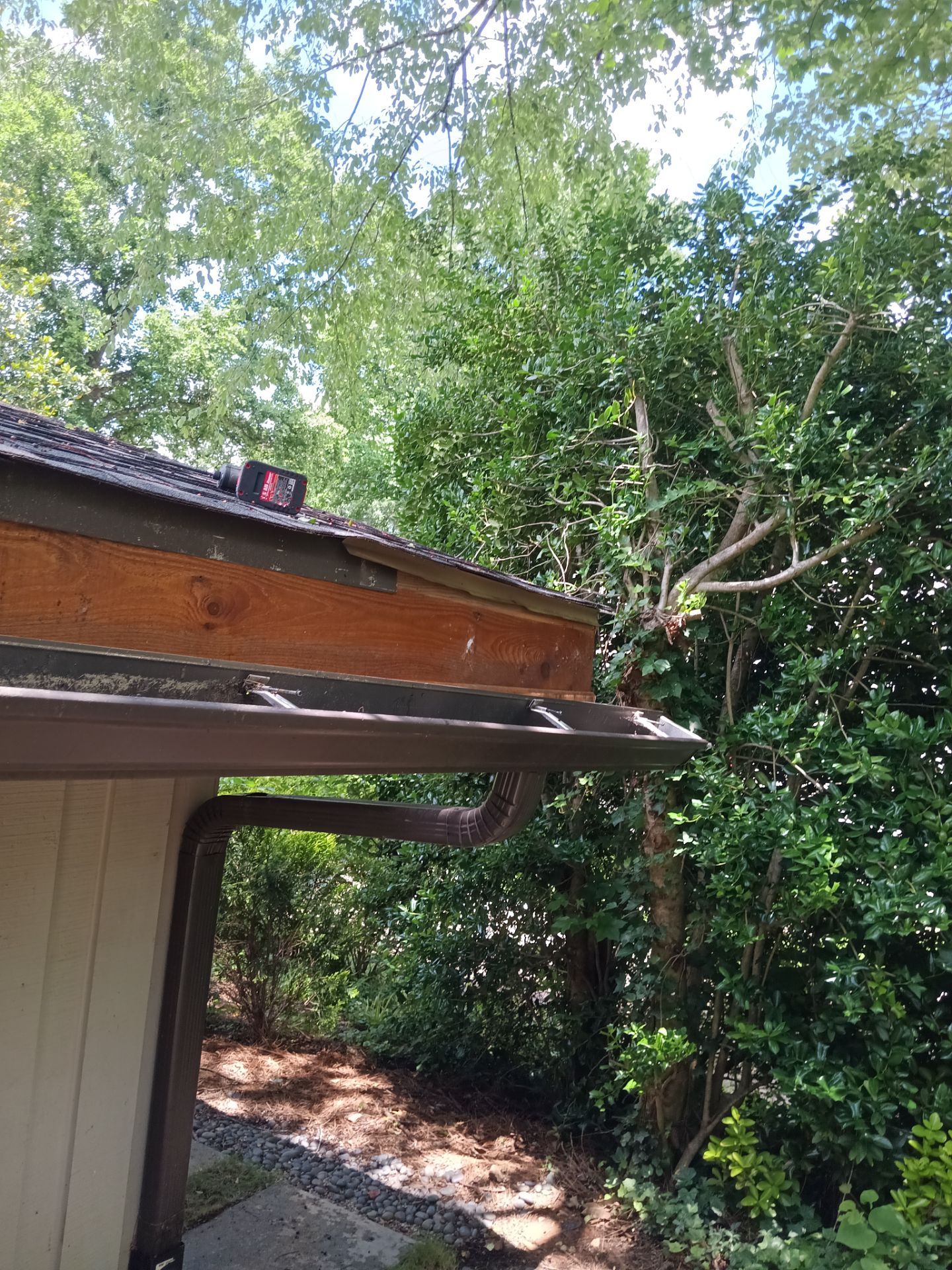
Repair or Replace: How to Decide
Here's the honest answer. Most gutter problems are repairs, not replacements. A sagging section, a loose seam, or a downspout pulling away from the fascia can usually be fixed. Full replacement only makes sense when the system is old, the aluminum is thin and cracking, or the damage is spread across most of the roofline instead of one bad stretch.
We check three things before we ever recommend tearing a system out.
- How many spots are failing versus just one weak section
- Whether the fascia and soffit behind the gutter are still solid or already rotting
- How the metal itself looks, since thin and brittle points toward replacement while dented but sturdy sections may be repairable
Most often it's a fastener problem or a pitch problem, not a full system failure. That's good news for your wallet. A reattachment or section repair can solve the same water problem a full replacement would, with a fraction of the disruption.
But there's a line we won't cross. If the fascia is soft or the gutter has pulled the same spot loose repeatedly, patching it again just delays the real fix. We'll tell you straight if that's where you're at, even if it means a bigger job.
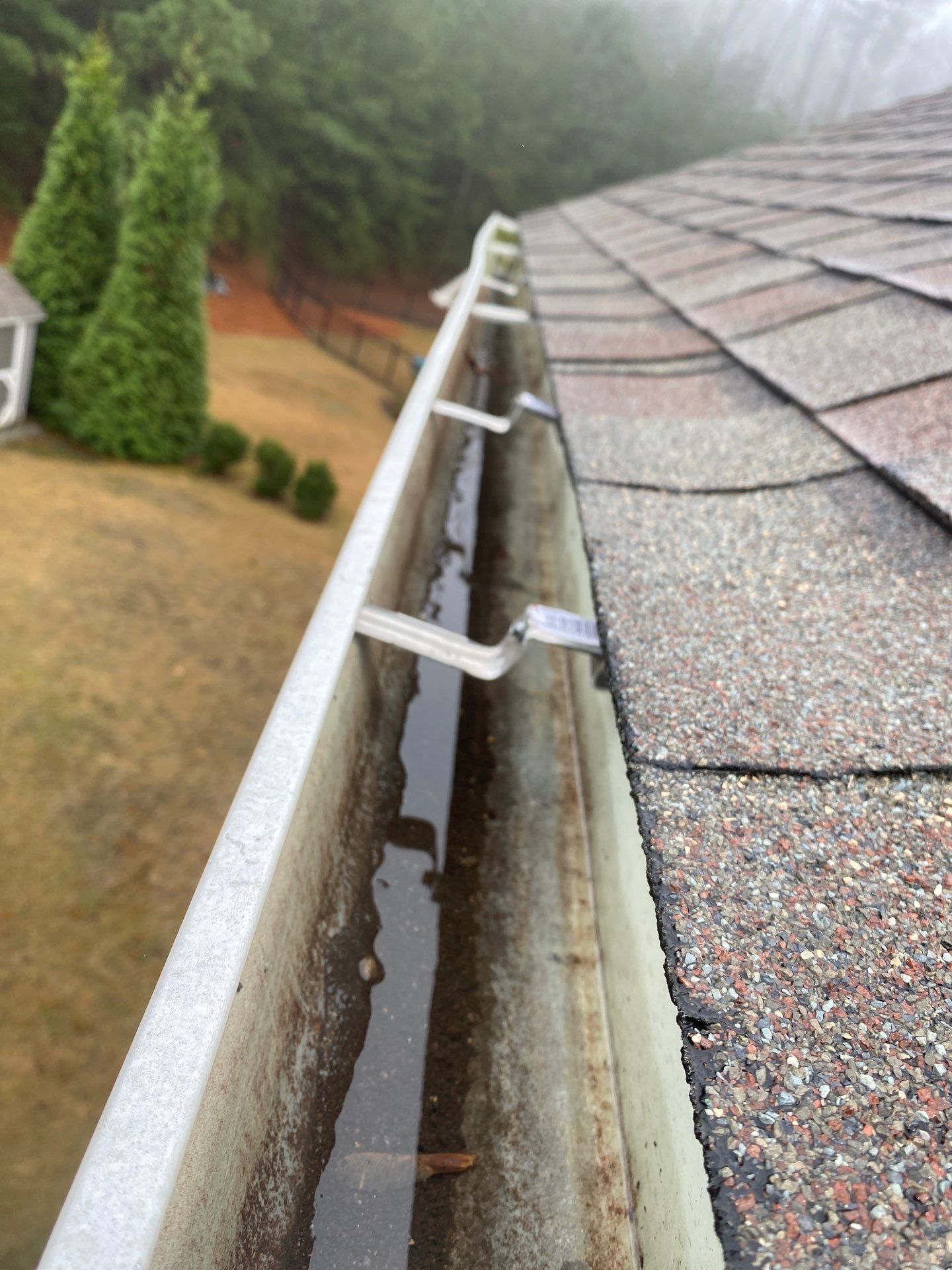
What's Included With Gutter Repair
Leaking joints, sagging channels, and loose brackets stop your gutters from moving rainwater safely away from your home. Left unfixed, even small leaks lead to rotted fascia boards, stained siding, and soil erosion around your foundation. Targeted repairs fix drainage at the source and add years to the system you already have.
- Repair and Re-sealing: Re-pitching, joint sealing, leak patching, and bracket reinforcement to stop leaks and restore proper pitch.
- Photo Proof and Documentation: High-resolution photos showing repaired leaks, reinforced hangers, and the water flow test we run before we leave.
- In-Person Consultation: Our specialist inspects your entire gutter run to locate hidden leaks, assess fascia board health, and determine whether repair or replacement is the right call.
- Clear Pricing: You get the number in writing before any work starts. No surprises on the invoice.
Stop active leaks. Re-align sagging channels. Protect your home's exterior and foundation.
Want to know whether it's fixable before you spend on replacement? Book a look.
Book My Free Inspection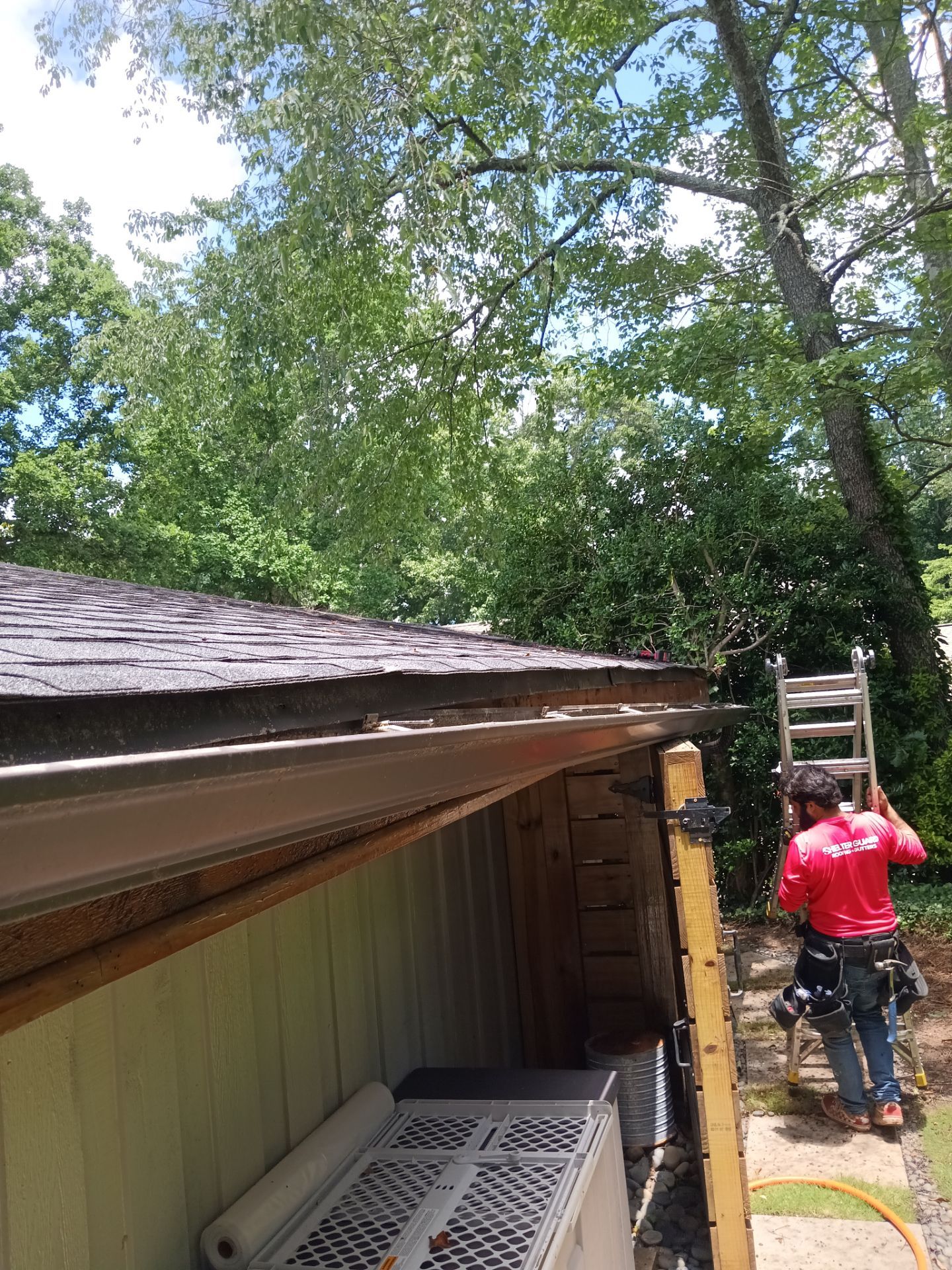
When Cleaning Solves the Problem, Not Repair
Not every overflowing gutter needs a repair crew. Sometimes it's full of leaves and debris, plain and simple. If water is spilling over the front edge during a storm but the gutter itself looks straight and tight to the fascia, that's usually a clog, not damage.
So how do you tell the difference? Look at the gutter from the ground. Is it sagging, pulling away from the house, or leaking at the seams even when it's dry? That's repair territory. If it only overflows when it rains hard and looks fine otherwise, cleaning is probably all you need.
- Water spills over only during heavy rain, not a slow drip year-round
- Gutters sit level and tight against the roofline, with no visible sag
- No cracks, rust holes, or separated seams when you look closely
- Downspouts run water quickly once debris is cleared out
One more thing worth knowing. For a standard cleaning visit, being home isn't required. We take before-and-after photos on every visit, so you'll see exactly what came out and how the system looks once it's clear. That's part of the job, not an upsell.
Estimates work differently. If our team spots damage during a cleaning and thinks repair might be needed, we'll want you there for that conversation. Every home settles differently, and the right fix depends on your specific setup.
What Happens During a Gutter Repair Visit
So what does a real visit look like? A lot depends on the age and condition of the gutter system. Older steel systems need a different repair than newer aluminum gutters, and newer systems have different hanger and attachment methods. We check what we're dealing with before we touch a ladder.
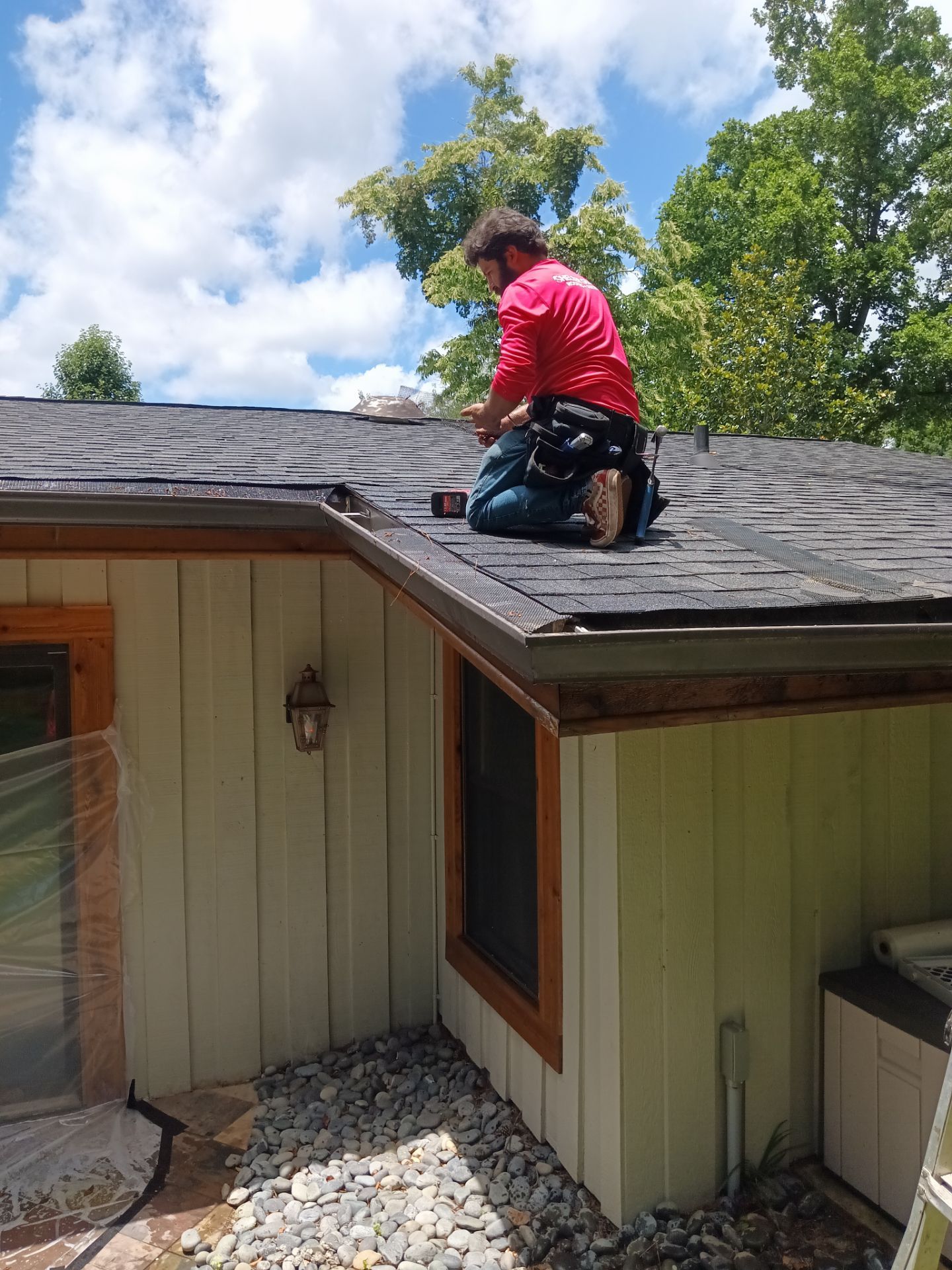
- We show up and walk the roofline first, checking for sag, separation, and loose brackets
- We take photos before we start, every single visit, no exceptions
- We test the flow with water to find hidden leaks you can't see from the ground
- We make the repair, whether that's reattaching a section, sealing a seam, or replacing a damaged run
- We take after photos so you can see exactly what changed
For a standard gutter cleaning, sticking around isn't necessary. We'll do the work, snap the pictures, and leave everything the way we found it. For an estimate, we need you there. Repair situations vary a lot from house to house, and we want to talk through the options with you directly.
Once we know what we're dealing with, the fix is often faster than people expect.
Ready to stop water running down the siding? Let's price it out.
Book My Free Inspection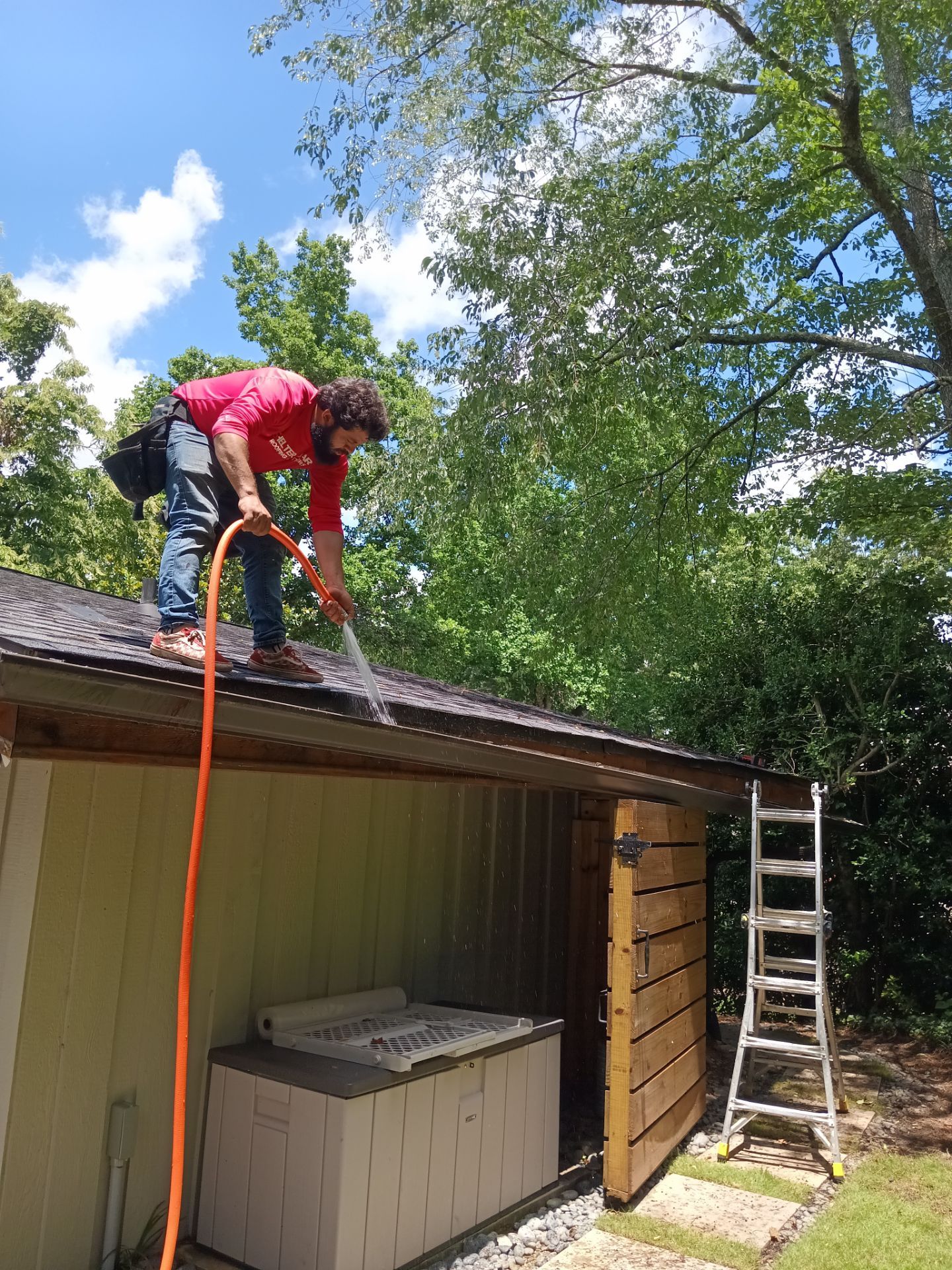
How Gutter Repair Costs Are Determined
Gutter repair pricing isn't one flat number. It shifts based on what's wrong and how bad it's gotten. A loose section near the downspout costs less to fix than a sagging run that's pulled away from the fascia board. We look at the whole system, not just the spot you noticed dripping.
Here's the thing most homeowners don't think about: the longer a small problem sits, the more it touches. A single bad seam leads to fascia rot behind it. Now you're not just fixing a gutter, you're fixing the wood underneath it too.
- How much of the gutter run is damaged versus just one section
- Whether the fascia or soffit behind it needs repair too
- Roof pitch and how much access equipment the job requires
- Material type and gauge of the existing gutter
- Number of downspouts tied into the affected area
For a straightforward cleaning, no one needs to stay home. We take photos before and after every visit, so you'll see exactly what we found and what we cleared out.
Estimates work differently. We ask you to be there for those. Your gutter setup, roofline, and drainage situation are all a little different from the house next door.
Your Gutter Repair Questions, Answered
Do I need to be home during a gutter repair visit?
How do I know if my gutters need repair or just a cleaning?
What's a common gutter problem for older homes?
Should I worry if my gutters are sagging?
What happens during a gutter repair visit?
Can a gutter repair fix water pooling near my foundation?
Water Going Where It Shouldn't?
A small leak today is fascia rot next season. Get a real price and get it fixed before the next storm finds the weak spot.
Book My Free Inspection
Metro Atlanta's dedicated gutter specialists. Cleaning, repair, replacement, downspouts, drainage and soffit work, done right the first time with photo proof on every job.
Gutter Services
Drainage & Roofline
© 2026 Shelter Guard Gutters. All Rights Reserved.