No clogged gutters. Cleaned in 24 hours or less.
Home Guides Can You Replace Just a Section of a Gutter?
Gutter Replacement
Can You Replace Just a Section of a Gutter? A Homeowner's Guide
Yes, you can replace just a section of a gutter in most cases, especially if the damage is limited to one run and the rest of the system is sound.
Yes, Sectional Gutter Repair Is Often Possible, Here's What Decides It
Quick Summary:
Yes, you can replace just a section of a gutter in most cases, especially if the damage is limited to one run and the rest of the system is sound. The material, age, and how the gutter connects to nearby sections all play a role in whether a patch job will last.
So can you replace just a section of a gutter? In a lot of cases, yes. We do this kind of repair often on homes in the area where one stretch of gutter took damage from a fallen limb or years of standing water, but the rest of the run is still solid. It's not always the right call though. And that's the part most homeowners don't think about until we're standing on the ladder looking at the whole system.
Here's the thing about gutters, they're not one solid piece. They're built in sections, joined together with seams, hangers, and end caps. When one section fails, it doesn't always mean the rest is failing too. A section near a downspout might rot out from constant water flow while the sections on either side stay in good shape for years. That's when a targeted repair makes sense instead of tearing out the whole thing.
We check a few things before we tell a homeowner a partial fix will work.
- Material match: new aluminum or steel sections need to match the existing gutter's gauge and profile, or the seams won't seal right
- Age of the system: gutters over 15-20 years old often have hidden wear nearby, so one bad section can be a warning sign, not an isolated problem
- Condition of the fascia board behind it: rotted fascia changes the whole repair, we cover that more on soffit and fascia repair
- How the section connects: seamless gutters are harder to patch cleanly than sectional ones with pre-made joints
- Slope and pitch: if water isn't draining right in that spot, replacing the section without fixing the pitch just delays the next failure
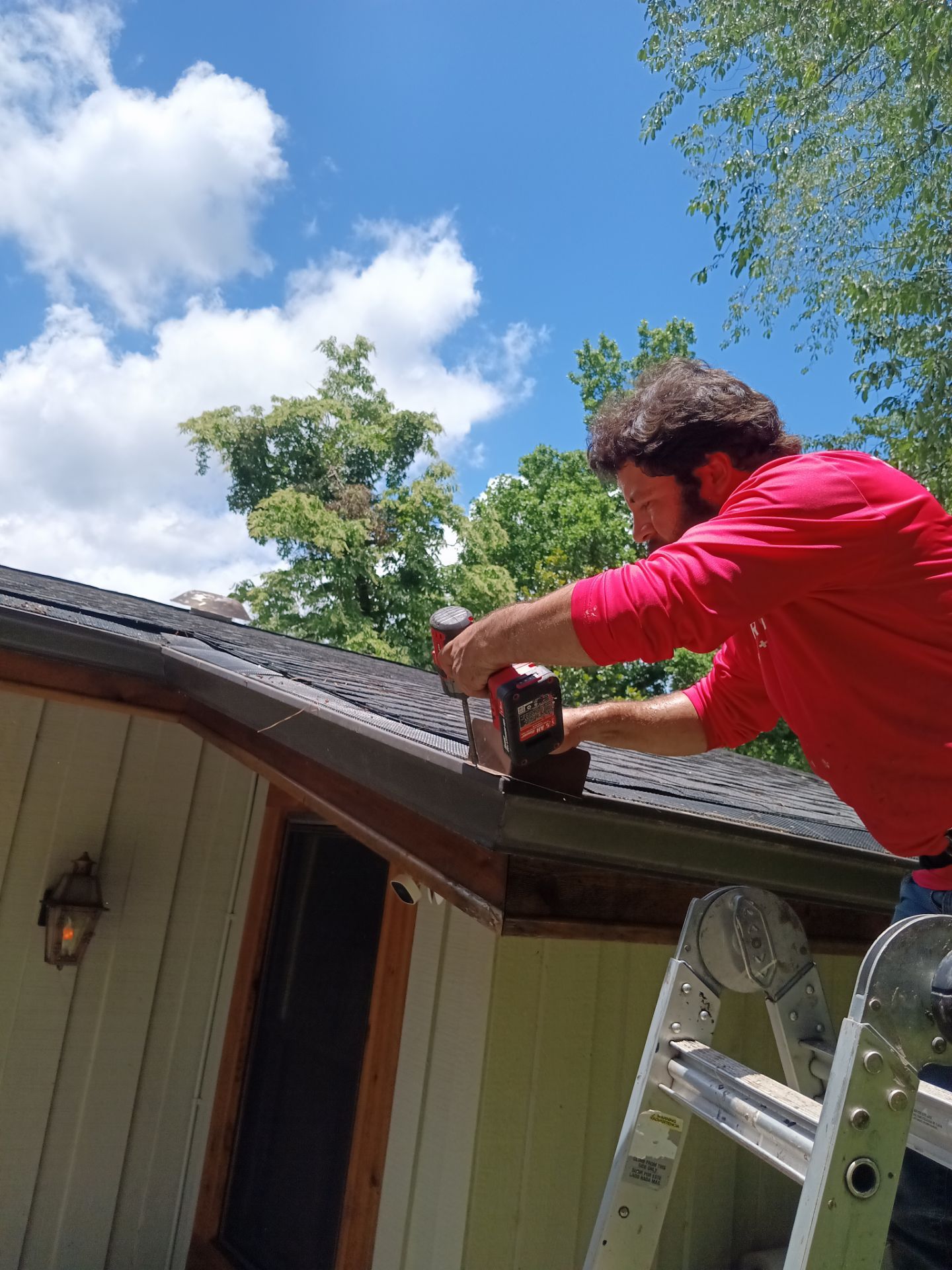
A house we worked on had this exact issue. One 10-foot section near the garage had pulled away and was sagging with rot. The rest of the gutter, installed maybe eight years earlier, was still tight and clean. We replaced that one section, matched the material, and reset the hangers. No reason to touch what wasn't broken.
But here's where we get direct with people, because it matters. If we find rust spreading along the seams, or the whole system is original to a house built in the 80s, patching one section is just delaying a bigger job. We'd rather tell you that now than have you call us back in eight months for the section next door. That's not us trying to sell a bigger job, it's us protecting the structure the gutter is supposed to protect in the first place.
One more thing worth knowing, for a gutter cleaning visit, you don't need to be home. We take photos throughout so you can see exactly what we found. For an estimate on a repair or replacement, we do need you there. This kind of decision depends on details specific to your home, and we want to walk the roofline with you and talk through what fits your situation.
Seamless vs. Sectional Gutters: Why Your System Type Changes Everything
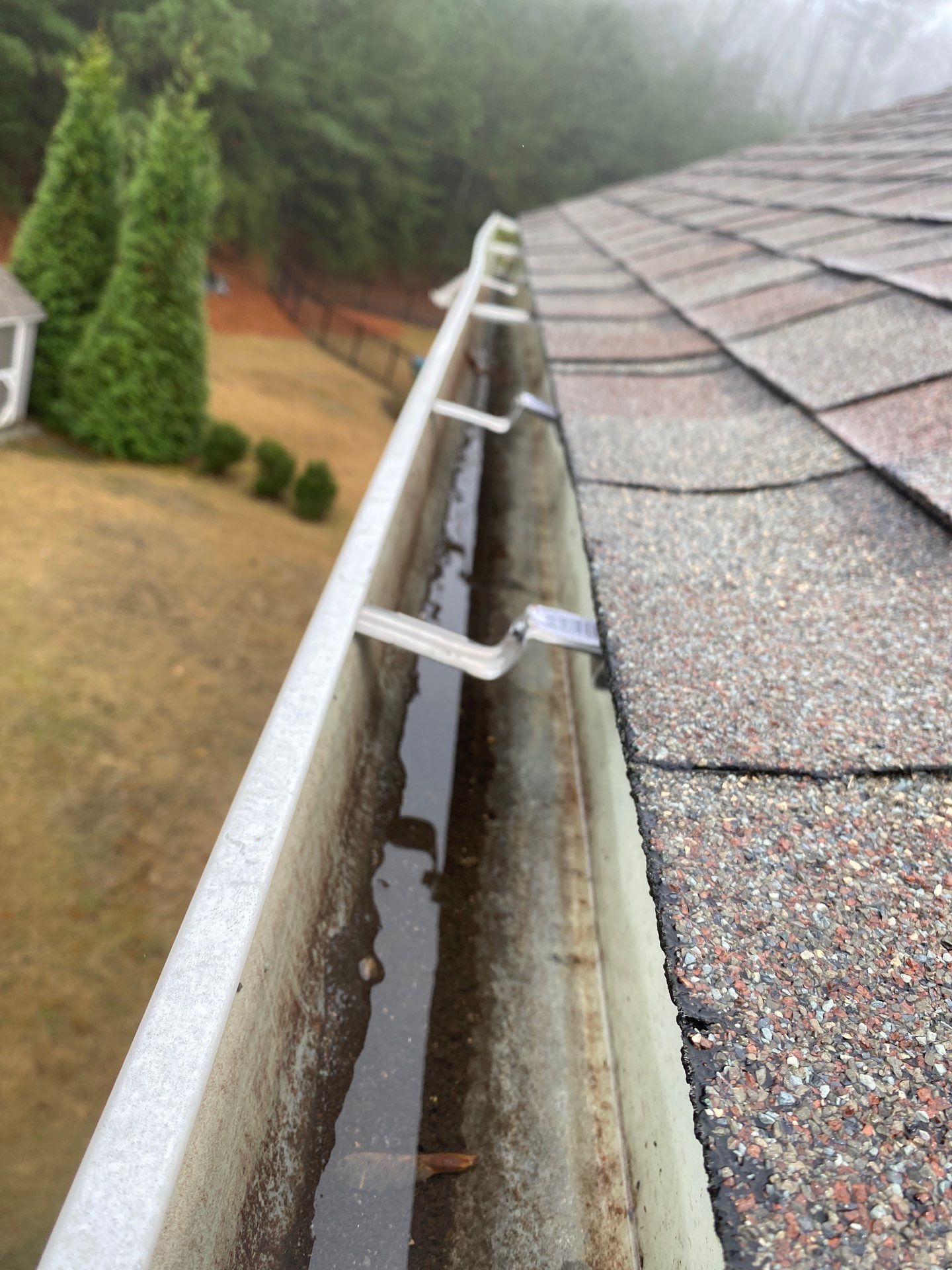
Here's the part most homeowners never think about until it's too late. Not all gutters are built the same way, and that changes everything about a partial repair. Sectional gutters come in pre-made pieces, usually around 10 feet long, joined together with connectors. Seamless gutters get custom-formed on site from one long piece of aluminum, cut to fit your roofline with almost no seams.
Sectional gutters are easier to patch. Since they're built from separate pieces, we can usually cut out a damaged section and slide in a new one at the existing joints. Seamless gutters are a different story. There's no built-in joint to work with, so fixing a small stretch means cutting into solid material and creating a new seam where one didn't exist before.
So which one wins for your home? Most newer homes here have seamless systems, and for good reason. Seamless gutters resist leaks better over time because there are fewer joints for water to sneak through. But that strength comes with a trade-off, a partial repair on a seamless gutter is trickier and the new seam becomes a spot we watch closely.
We see this mix-up all the time. A homeowner calls asking for a quick swap of one piece, not realizing their gutter is a seamless run formed in one continuous piece. That doesn't mean it can't be done. It just means the approach is different, and matching the metal gauge and profile matters a lot more.
- Sectional gutters: easier partial swaps, more joints, higher long-term leak risk at connectors
- Seamless gutters: fewer leaks overall, but repairs require creating a new seam by hand
- Older homes may still have sectional aluminum or steel gutters from past renovations
- Mismatched gutter profiles from different manufacturers can cause visible gaps at the repair point
- Gutter material (aluminum, steel, copper) also affects how well a patched section blends in
One thing we always tell people, a repair that looks fine from the ground can still be a weak point up close. And a seamless system with a botched patch job can leak worse than before the repair. That's why we take photos during every visit, so you can see exactly what we're working with, even if you're not standing next to us.
For gutter cleaning, you don't need to be home at all. We snap photos throughout the visit so you always know what we found and what we did.
Estimates are different. We need you there for those, because every gutter system is a little different, and we want to walk the property with you to talk through what makes sense for your setup.
Is It Really Just One Section? A Scenario-Based Way to Tell
Here's the honest answer. Sometimes it's just one spot. Sometimes it looks like one spot but it's really a warning sign for the whole system. We've climbed enough ladders to know the difference usually shows up in the details, not the obvious stuff.
Think about a scenario we see a lot. A homeowner calls because one part of the gutter is sagging near the driveway. We show up, take photos, and find the fascia board behind that spot is soft. It didn't fail on its own, the wood behind it gave out first. Replace just that piece without fixing the fascia, and you're back to square one in a year.
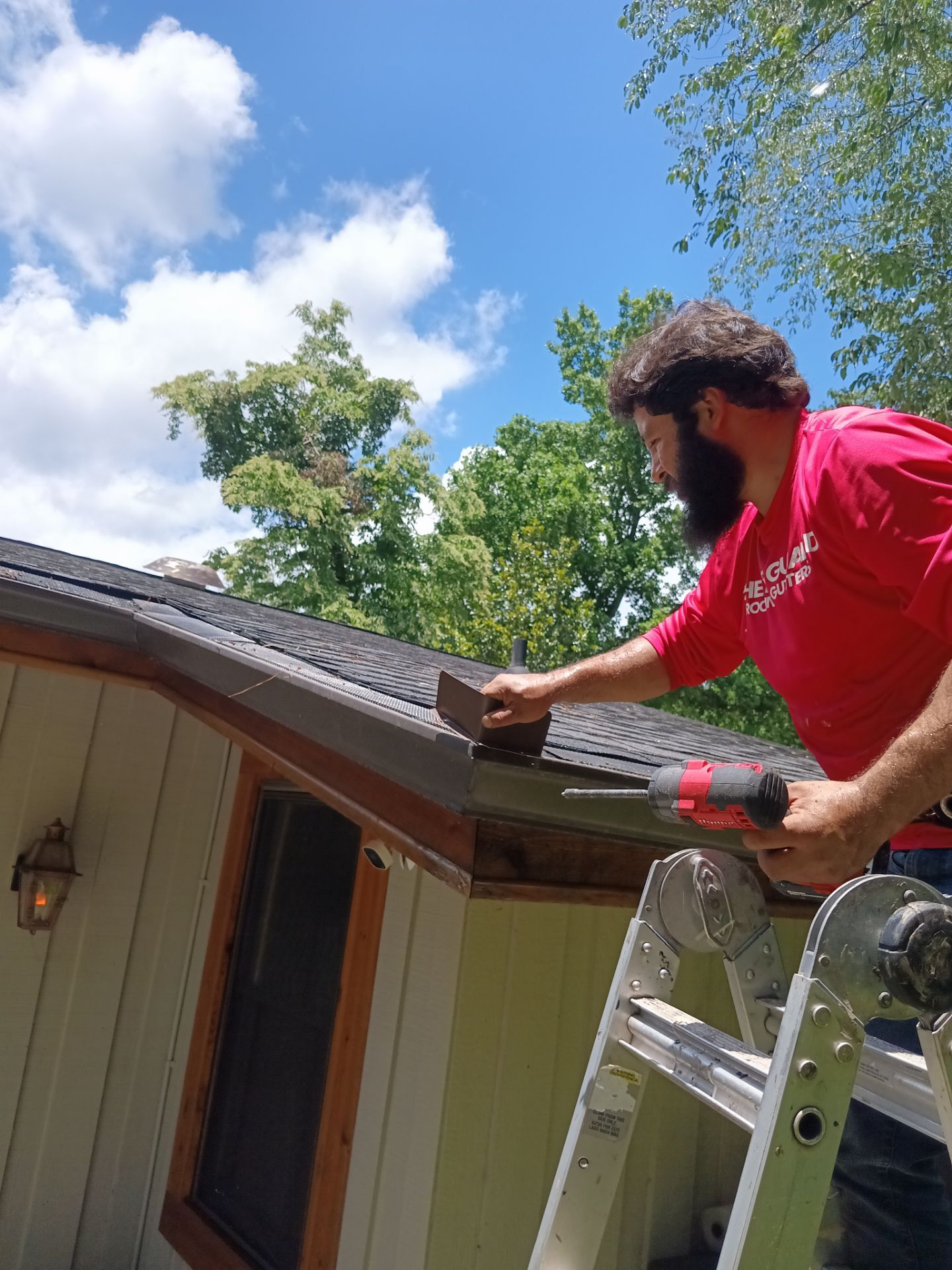
Now picture a cleaner case. A gutter run on a side yard gets clipped by a falling branch during a storm. The rest of the gutter is solid, hangers are tight, and there's no sag anywhere else. That's a textbook case for a small, targeted fix. No mystery, no hidden damage.
So how do you tell which one you've got? Ask yourself these questions before you assume it's small.
- Is the damage tied to one clear cause, like a branch or ladder mishap, or did it just show up over time?
- Are nearby sections sagging even slightly, or perfectly level?
- Does water pool anywhere else on the roofline after rain?
- Is the fascia behind the damaged area soft or discolored?
- Has this same spot needed attention before?
If you answered yes to more than one of those, you're probably not dealing with an isolated problem. And that's fine. It just means the fix needs to go a layer deeper than one piece of gutter.
We had a job last fall on a brick ranch. The owner thought it was one bad joint leaking onto the porch. Turned out three sections downstream had pulled away from the fascia just slightly, not enough to see from the ground. Rain was backing up and finding the weakest spot. One piece got replaced. Three others got reattached the same visit.
That's the tricky part about gutters, the failure point isn't always the cause.
For a cleaning visit, you don't need to be home. We take photos of everything so you see exactly what we saw. But for an estimate, we do need you there. This kind of decision depends on what's happening behind the gutter, and that's a conversation, not a guess. We walk the roofline with you, point out what we're seeing, and talk through what fits your situation.
Check gutter repair options
Looking for the service itself?
This guide covers the decision. The Gutter Repair page covers what the visit includes and how to book it.
SEE GUTTER REPAIRTrusted by Homeowners
Licensed and insured. Real prices before we start. Before and after photos with every invoice.
Frequently Asked Questions
How do I know if my gutter needs a full replacement instead of a section repair?
You likely need a full replacement if rust has spread along several seams or the system is original to a home built decades ago. One bad section can be a warning sign that the rest is close behind. Age matters a lot here. Gutters over 15 to 20 years old often have hidden wear near the damaged spot. We check the whole run before recommending a patch, so you don't call us back for the section next door a few months later.
Can a homeowner patch a gutter section themselves, or should they call a professional?
You can patch small dents or reseal minor gaps yourself, but matching material gauge, profile, and slope takes experience. A mismatched patch can cause leaks worse than the original damage. Seamless gutters make this even harder since there's no factory joint to work with. We recommend calling a professional once the damage involves rot, sagging, or a seam that's pulled away, since those issues affect the fascia board behind the gutter too.
What's the biggest misconception about repairing just one gutter section?
Many homeowners assume a section that looks fine means the whole system is fine. That's not always true. A section near a downspout can rot from constant water flow while nearby sections stay solid for years, and the reverse happens too, damage can look isolated but signal wider wear. That's why we walk the full roofline before confirming a partial fix will hold up, rather than judging one spot alone.
Do older homes typically have sectional or seamless gutters?
Many older homes around here still have sectional aluminum or steel gutters left over from past renovations, while newer builds usually have seamless systems. Sectional gutters are easier to patch because they already have joints to work with. Seamless systems resist leaks better overall, but a partial repair means creating a brand new seam by hand. Knowing which type you have changes the whole repair approach.
Does the weather here affect how long a sectional gutter repair lasts?
Yes, heavy rain and falling limbs from mature trees in the area put extra strain on gutter seams and hangers. Standing water after storms can speed up rust on older sectional joints, especially near downspouts. If the pitch in that section isn't draining correctly, a quick patch just delays the next failure. We check slope and drainage during every repair visit to make sure the fix holds.
What should I expect when a technician inspects a gutter for a section repair?
You should expect a full walk of the roofline, not just a look at the damaged spot. We check the fascia board, seam condition, hanger spacing, and slope before confirming a partial fix is the right call. For an estimate, we need you home so we can walk the property together and talk through your options. If you're ready to find out whether your gutter needs a section repair or full replacement, request a gutter estimate and we'll show you exactly what we find.
Still Not Sure What You're Looking At?
Send us a photo or book a visit. We'll tell you what it is before anyone quotes a price.
BOOK NOW (opens in a new tab)Or call (404) 994-3494

Metro Atlanta's dedicated gutter specialists. Cleaning, repair, replacement, downspouts, drainage and soffit work, done right the first time with photo proof on every job.
Gutter Services
Drainage & Roofline
© 2026 Shelter Guard Gutter Cleaning and Repair. All Rights Reserved.