No clogged gutters. Cleaned in 24 hours or less.
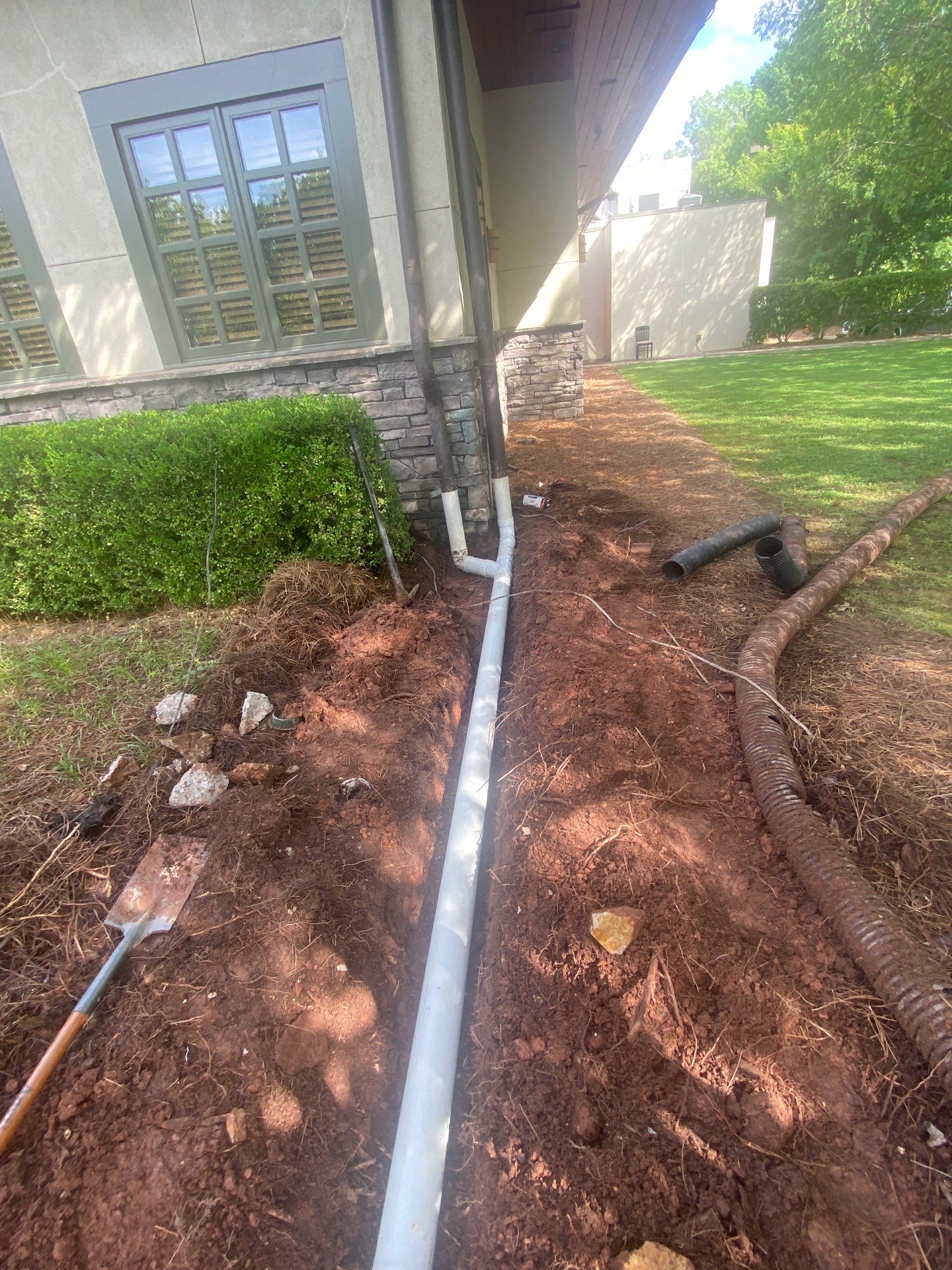
Stop Yard Flooding for Good: Underground Drainage
Trusted gutter experts serving since 2019. Clay-heavy soil doesn't drain fast, so water sits on the surface instead of soaking in.
Why Yards Pool Water After Heavy Rain
Quick Summary:
Clay-heavy soil doesn't drain fast, so water sits on the surface instead of soaking in. Add flat lots, older homes with short downspout runs, and a hard rain, and you get puddles that stick around for days. Underground drainage moves that water away before it reaches your foundation.
Clay soil is often the main culprit. It's dense, it compacts, and it holds water like a sponge that never quite dries.
When a storm dumps an inch of rain in an hour, that clay just can't absorb it fast enough. So the water sits. It finds the lowest spot in your yard and stays there, sometimes for two or three days after the sky clears.
A lot of older homes were built decades ago, back when downspouts just dumped water a foot or two from the house. That was fine for smaller storms. It's not fine now. We see this every single week: a downspout dropping water right next to the foundation, and a yard that's basically flat, so there's nowhere for that water to go but sideways into the crawl space or basement.
It's the same combination: clay soil, a flat or slightly sloped lot, and downspouts that were never extended far enough from the house. Homes that sit low to the ground don't help either.
This is the whole reason underground drainage exists. It takes water that would otherwise pool and pushes it somewhere safe, well past the foundation, instead of letting gravity and poor drainage decide where it ends up.
BOOK NOW (opens in a new tab)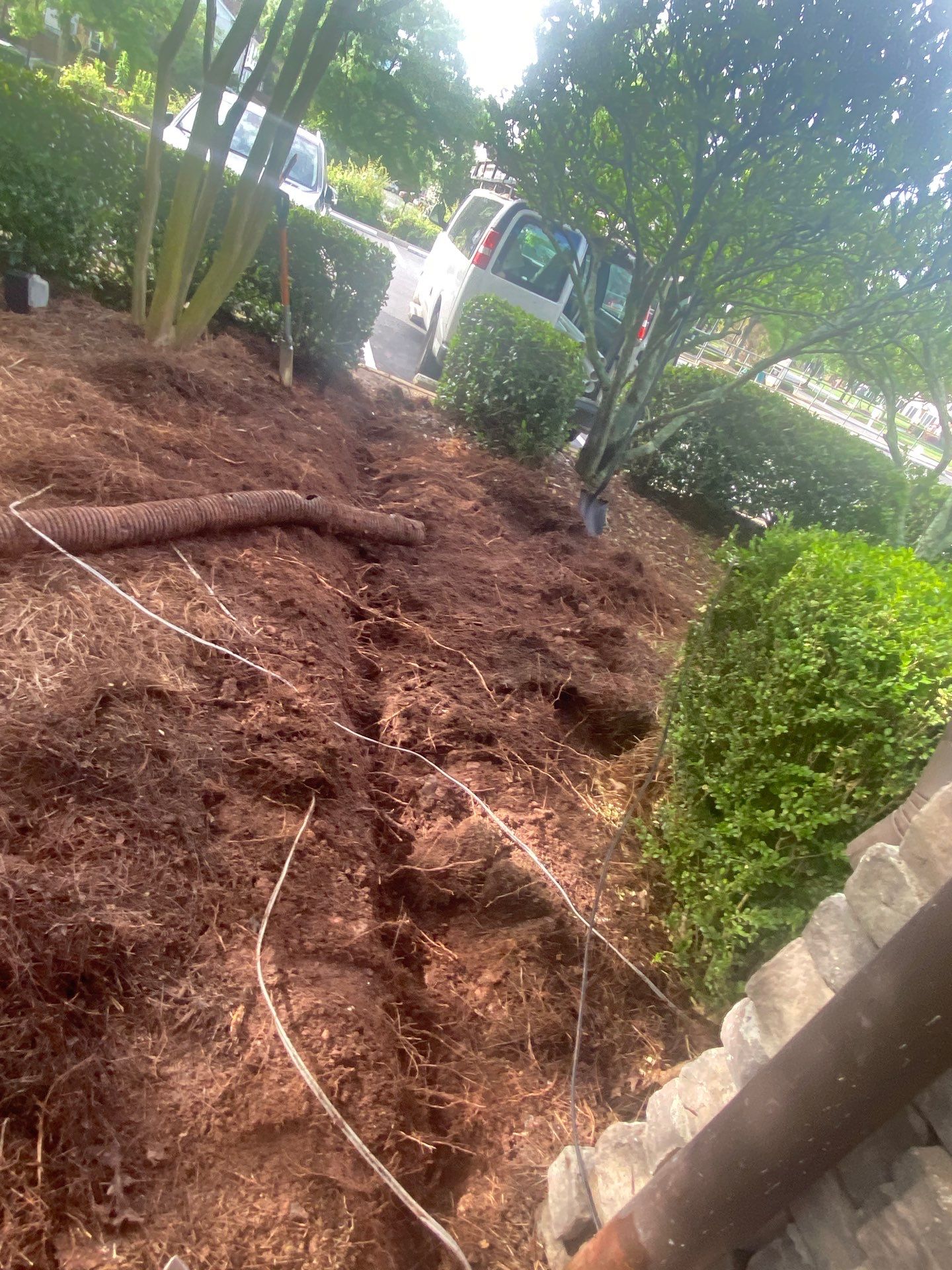
Signs You Don't Need a Full Underground System
Not every water problem in your yard needs a pipe buried underground. We see this every single week: someone calls worried about a wet spot, and it turns out their gutters just needed attention above ground first.
If your downspouts already carry water a good distance from the foundation and the ground dries out within an hour or two after rain, you're probably fine. Same goes if the wet spot only shows up during the heaviest storms of the year, not every time it rains. That's normal ground behavior, not necessarily a drainage failure.
That last one matters most. It's the same thing: clogged gutters overflowing and dumping water right at the foundation, and folks think they need a whole underground system when really they need the gutters cleared.
For a standard gutter cleaning, you don't even need to be home. We take before-and-after pictures of every gutter cleaning visit, so you can see exactly what came out and where the water was backing up.
- Water disappears from the yard within a couple hours of the rain stopping
- The soggy spot only shows up during major storms, not light rain
- Your downspouts already dump water at least four or five feet from the house
- No basement dampness, foundation cracking, or soil pulling away from the slab
- The issue started after gutters got clogged, not before
If you want us to walk the property with you and talk through real options, that's a different visit. For an estimate, we do need you there. Underground drainage decisions depend on your slope, your soil, and where water wants to go, and that's not something we should guess at without you standing right there with us.
CALL (404) 994-3494Underground Drainage
Book Online, No Call Needed
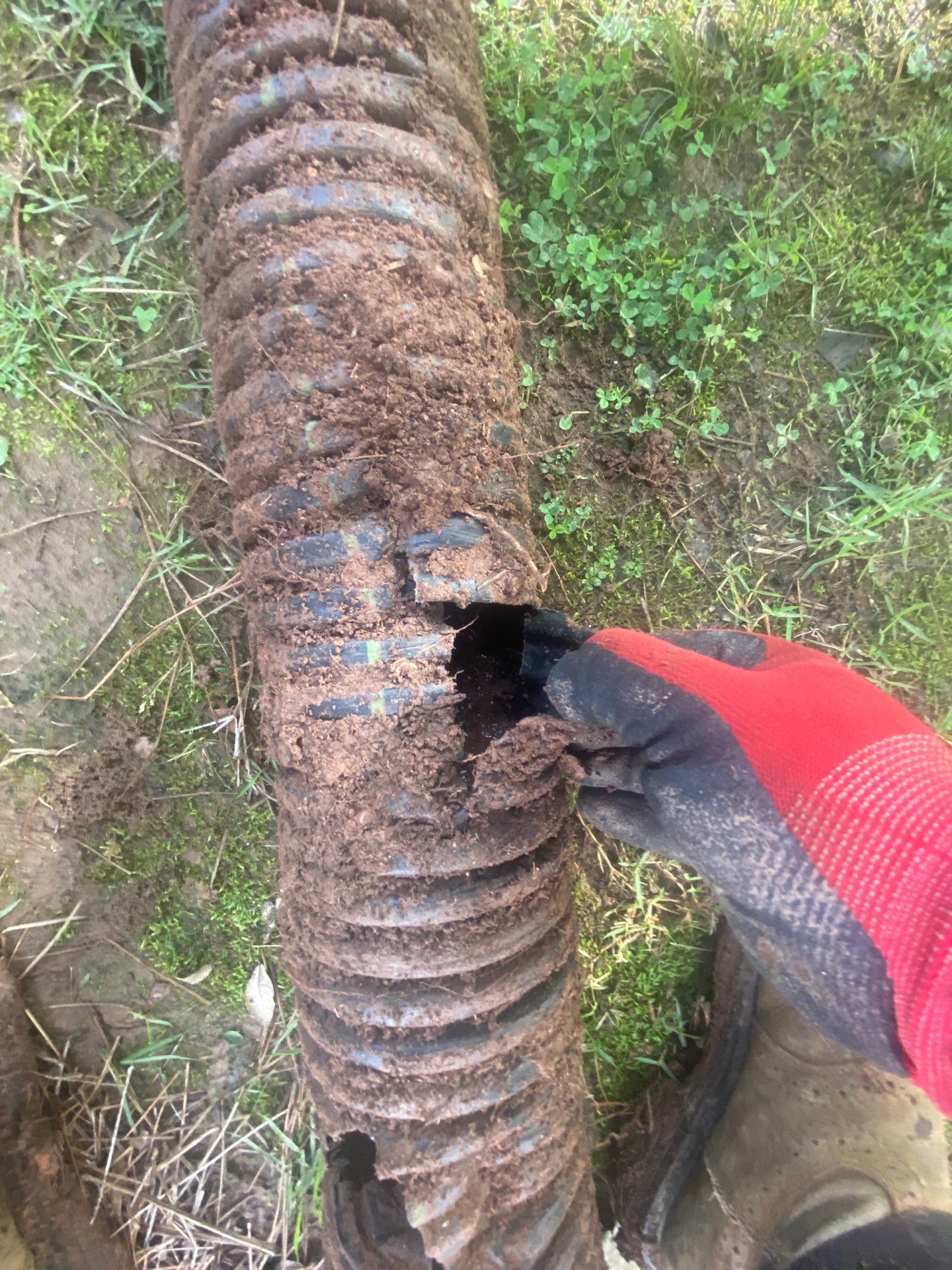
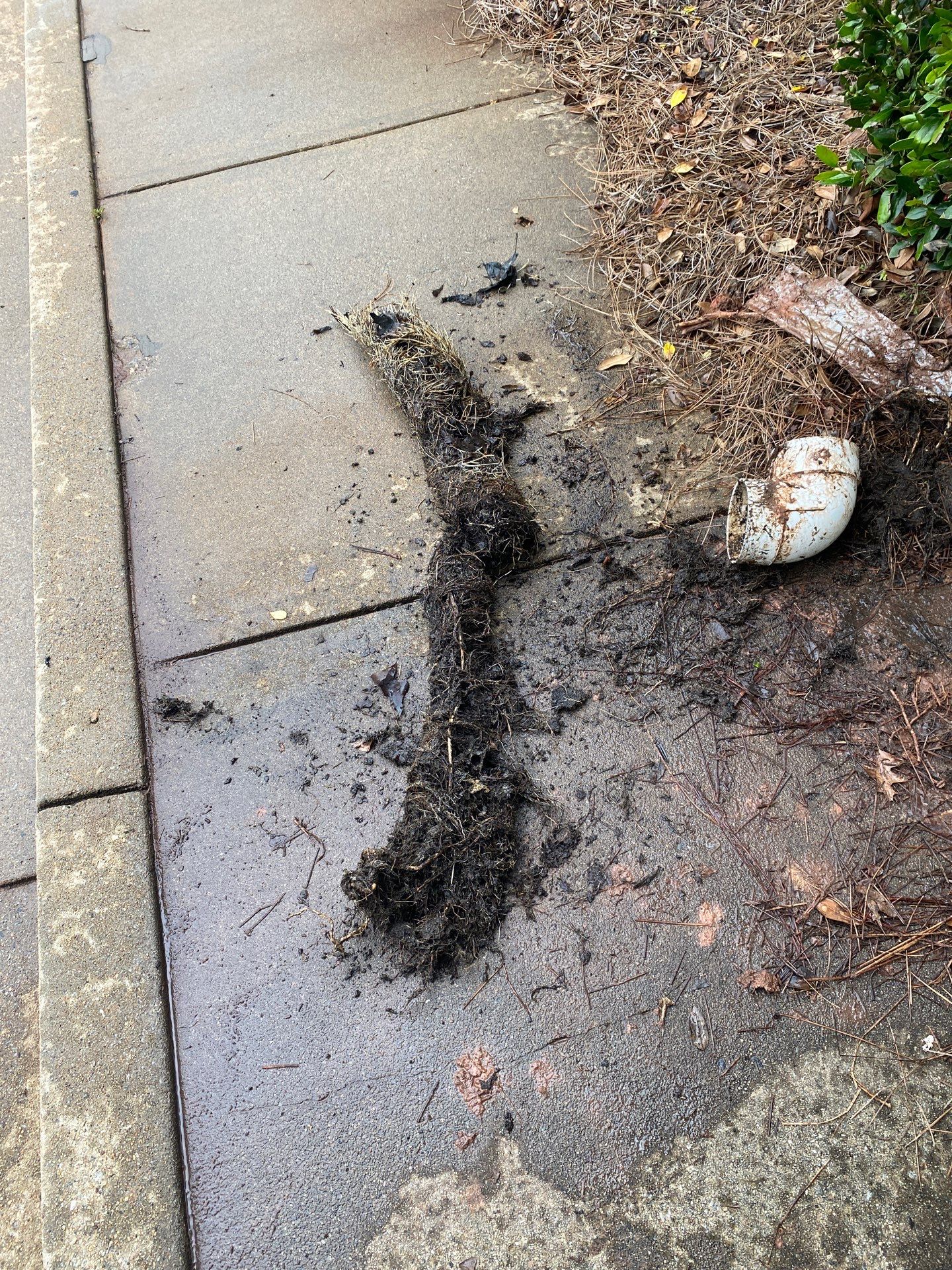
Blocked or sluggish underground drains can cause severe water backup around your foundation, lawn, and walkways. Debris, roots, and dirt buildup prevent rainwater from flowing away from your home, leading to pooling water, soil erosion, and potential basement or foundation damage. Restore proper water flow and protect your property with professional underground drainage unclogging.
What's Included
Professional Clearing & Unclogging
Heavy-duty clearing techniques designed to break up roots, remove debris, and restore full water flow through your underground piping.
Photo Proof & Documentation
High-resolution before-and-after photos and video inspection showing cleared pathways and proper water flow.
In-Person Expert Consultation
Our specialist evaluates your entire drainage system, identifies the root cause of the blockage, and recommends preventative solutions.
Clear Pricing
View our current underground drainage unclogging pricing directly on our website.
Protect your foundation. Prevent standing water. Keep your underground drainage flowing freely.
How Drainage Installation Pricing Works
Nobody gives you one flat number for underground drainage, and if they do, walk away. The cost comes from a handful of real variables, not a guess.
Here's the thing. A ten-foot fix under a single downspout costs a lot less than rerouting three downspouts across a sloped backyard. We see homeowners assume it's all the same job. It's not.
This is also why we ask you to be there for the estimate. We need to walk the property with you. We'll look at grade, soil, where the water pools after a hard rain, and where your foundation is most exposed. Then we talk through what fits your situation, not a generic template.
That's different from a gutter cleaning visit. We don't need you home for that one. We still document everything with before-and-after photos so you see exactly what we found and what we did.
Ask any provider what's driving their number before you sign anything. If they can't explain depth, soil, or pipe length in plain terms, that's a red flag.
- How far the water has to travel from the downspout to a safe discharge point
- How deep the pipe needs to sit below grade to clear tree roots and foundation footings
- Soil type. Clay holds water and drains slowly, while sandy soil moves water faster but can shift more easily How many downspouts tie into the system versus just one problem spot
- Whether the yard needs regrading so water flows toward the pipe instead of pooling
Thinking about Underground Drainage? Let's talk.
CALL (404) 994-3494
Clean Gutters, Set and Forget
Most Metro Atlanta homes need a check twice a year, once in fall before leaves pile up, once in spring after pine straw and pollen settle in. Sign up for a plan and we'll handle it for you. No more remembering. No more climbing ladders.
START A SEASONAL PLAN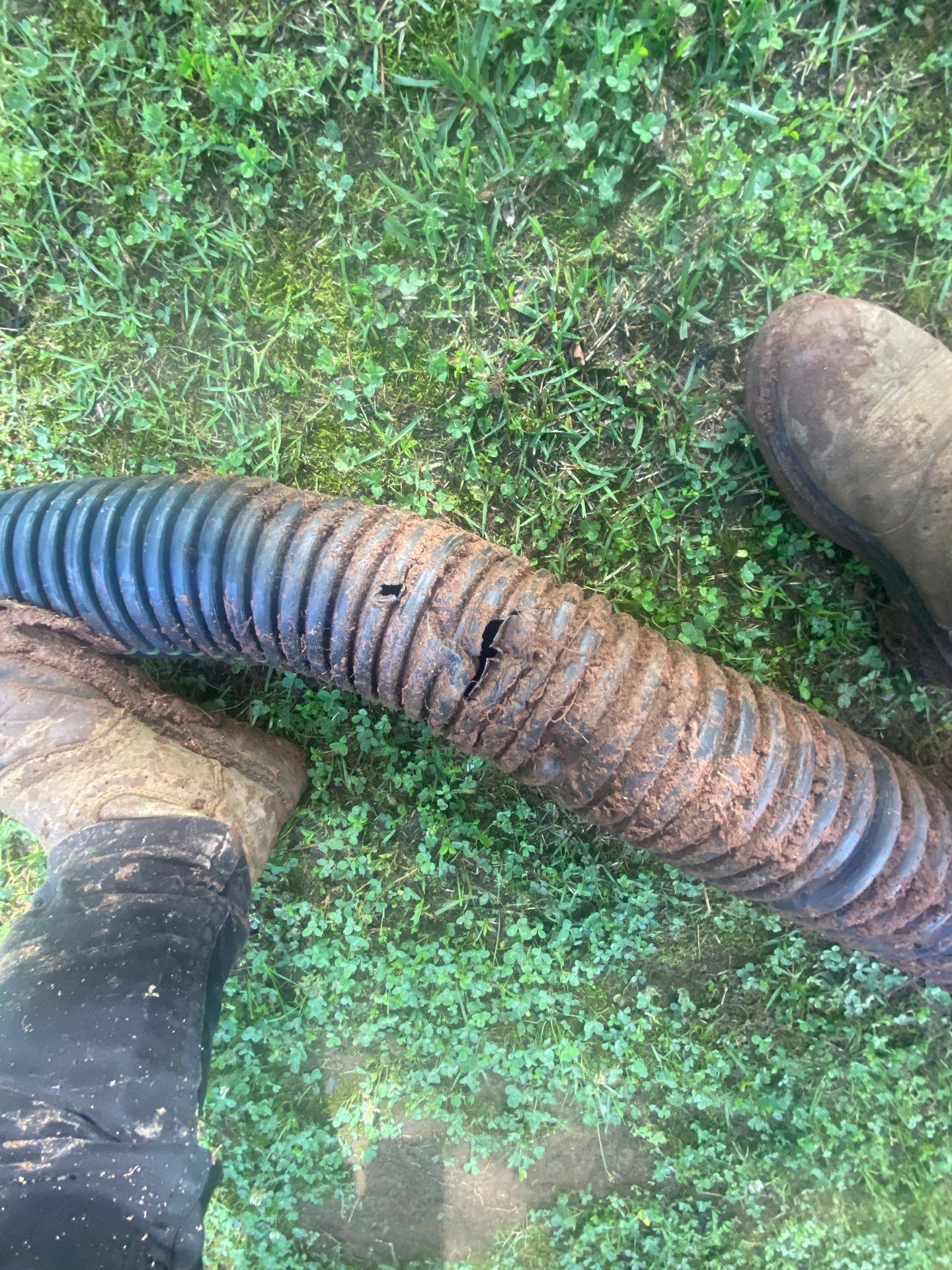
What Happens Before the Crew Starts Digging
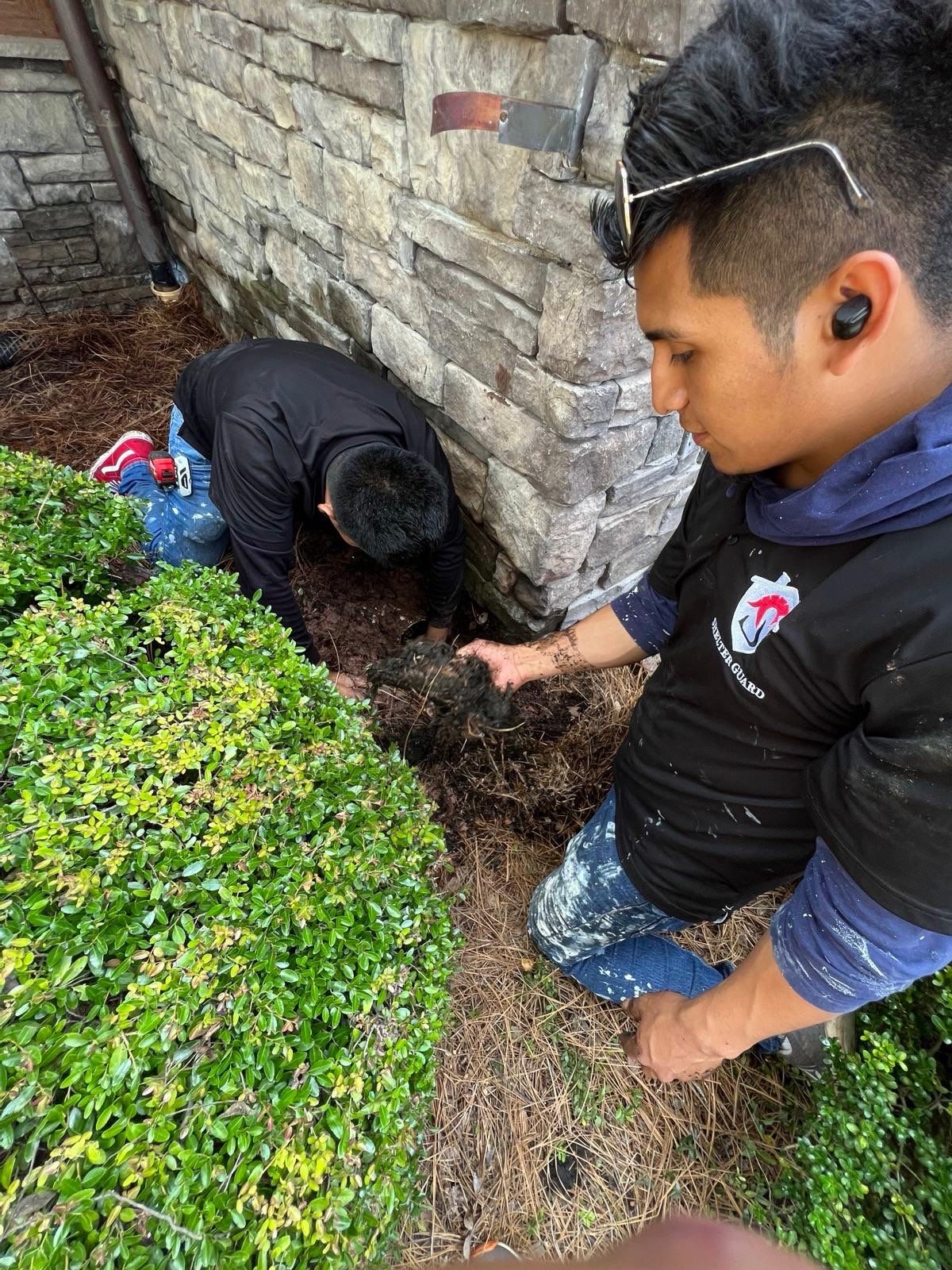
Nobody should dig blind. Before any crew touches a shovel, we walk the yard first. We're tracing where your downspouts dump water, checking the slope of your lot, and looking for the low spots where water pools after a storm. That soggy patch by your foundation isn't random. It's usually the yard telling you exactly where the pipe needs to go.
This is the one part of the job where we need you there. Gutter cleaning doesn't require you to be home. We snap before-and-after photos on every visit so you see exactly what we saw. But underground drainage is different. An estimate visit means walking the property together, talking through what's flooding, and figuring out a layout that fits your specific yard, not a one-size-fits-all pipe run.
Here's what we're checking before we ever break ground:
- Where each downspout currently discharges and how far that water travels before it stalls
- Grading and low spots that collect water near the foundation or crawl space vents
- Existing underground lines that may already be clogged, crushed, or disconnected
- Any utility lines or root systems that could sit in the path of a new run
- How the soil conditions will affect drainage speed and pipe placement
We've seen plenty of yards where a downspout was buried years ago and just stops mid-yard, going nowhere. That's the kind of thing you only catch by looking, not guessing.
BOOK NOW (opens in a new tab)Trusted by Homeowners
Licensed and insured. Real prices before we start. Before and after photos with every invoice.
Installing Pipe, Gravel, and Discharge Points
Once we know where the water needs to go, the real work starts. Soil conditions can affect how the drainage system needs to be installed, so we can't just bury a pipe and hope. Every run gets built the same careful way, with no shortcuts.
The gravel bed step gets skipped a lot, and it's an important part of a properly installed system. Without proper support and drainage around the pipe, soil can create problems over time.
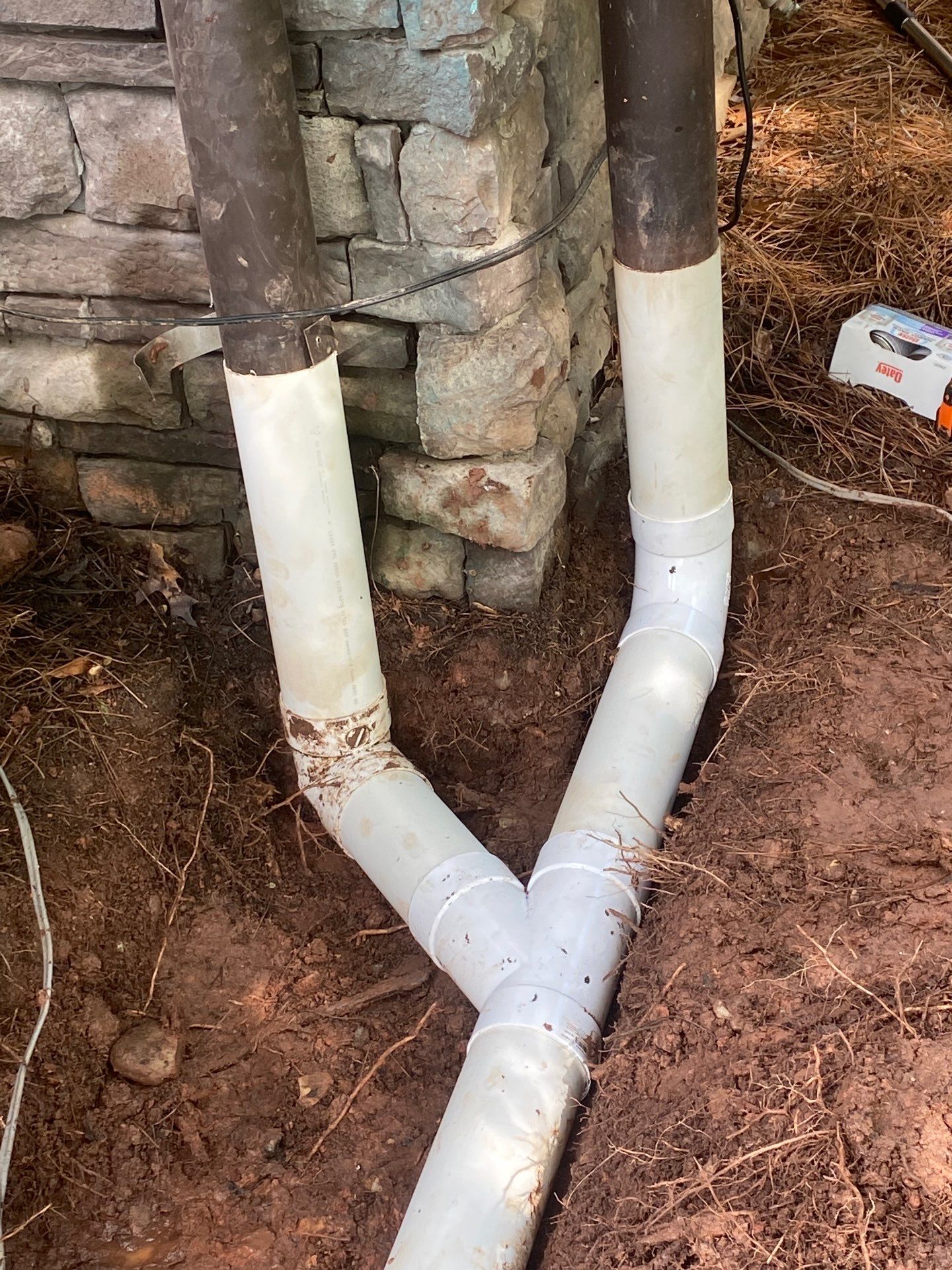
- We dig a trench at a slope that keeps water moving away from the foundation, not pooling halfway down the yard.
- We connect the downspout to solid PVC pipe, using downspout repair or downspout installation work if the connection point is damaged first.
- We bed the pipe in gravel. This helps protect the pipe and maintain proper drainage around it.
- We run the line to a discharge point, usually a pop-up emitter, well past the splash zone near the house. We backfill and tamp the soil so it doesn't sink into a trench-shaped dip after the next hard rain.
You don't need to hover over us while we work, but you'll want to walk the discharge point with us before we call it done. That way, you know exactly where the water is landing on your property.
BOOK NOW (opens in a new tab)Frequently Asked Questions
Common questions about Underground Drainage
How quickly can I get an underground drainage estimate?
We schedule estimate visits based on how urgent your flooding problem looks. If water is pooling near your foundation or crawl space, we move that visit up. You need to be home for the estimate because we walk the yard with you to check slope, soil, and where water pools after a storm. That walk-through helps us build a drainage plan that fits your specific lot instead of guessing from the street.
What happens when your crew comes out for a drainage visit?
We start by walking your yard with you before anyone touches a shovel. We trace where each downspout dumps water, check the slope of your lot, and look for the low spots that stay wet after rain. We also check for existing underground lines that might be clogged or crushed. This walk-through tells us where the pipe needs to go, so the fix matches your yard instead of a one-size-fits-all layout.
Why does my yard stay flooded for days after it rains?
Clay-heavy soil can be a major reason. It compacts tightly and holds water, so it can't absorb a hard rain fast enough. Older homes may also have downspouts that only carry water a foot or two from the house. Combine that with a flat lot, and water has nowhere to go but toward your foundation or crawl space, sometimes sitting there for days after the storm passes.
Do I really need underground drainage, or is it just my gutters?
Not always. If water disappears from your yard within a couple hours of the rain stopping, and your downspouts already carry water four or five feet from the house, you probably don't need a full system. The biggest clue is timing. If the wet spot showed up after your gutters got clogged, clearing the gutters may fix it. If it's been happening for years regardless of gutter condition, that points to a real drainage problem.
How deep does an underground drainage pipe need to go in my yard?
It depends on your soil, your tree roots, and your foundation footings, since the pipe has to be installed at an appropriate depth to work correctly. Different soil conditions can require different installation approaches because some soils drain slower and hold more water than others. This is why we walk your property before giving you a plan. Depth, soil type, and pipe length all change based on what's happening in your yard.
Will digging for drainage pipes damage my lawn or landscaping?
Some disruption is normal, since the pipe has to travel from your downspout to a safe discharge point away from the house. The exact path depends on your yard's slope and where water needs to go. We map this out with you during the estimate walk-through, so you know which areas will be affected before we ever start digging. Planning the route ahead of time keeps the work focused and avoids unnecessary disturbance to the rest of your yard.
Move the Water Away From the House
Water pooling near the foundation after every storm is a discharge problem. Let's trace where the line ends.
BOOK NOW (opens in a new tab)Or call (404) 994-3494

Metro Atlanta's dedicated gutter specialists. Cleaning, repair, replacement, downspouts, drainage and soffit work, done right the first time with photo proof on every job.
Gutter Services
Drainage & Roofline
© 2026 Shelter Guard Gutters. All Rights Reserved.