No clogged gutters. Cleaned in 24 hours or less.
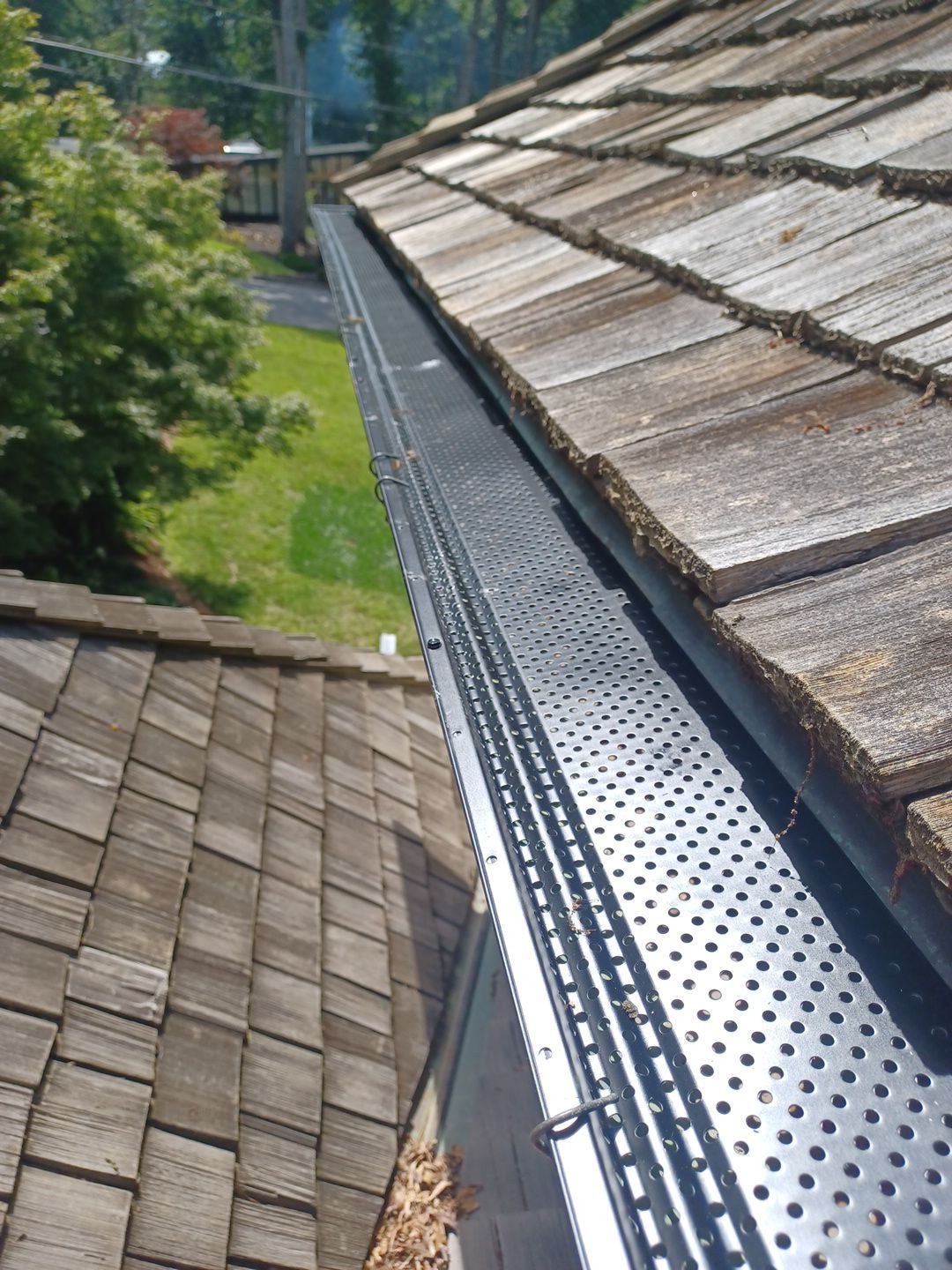
Home Guides Can Gutter Guards Fix Gutters That Are Already Sagging or Damaged?
Can Gutter Guards Fix Gutters That Are Already Sagging or Damaged?
Can gutter guards fix gutters that are already sagging or damaged?
The Short Answer: Guards Protect, They Don't Repair
Quick Summary:
Can gutter guards fix gutters that are already sagging or damaged? No, they can't. Guards are a defense tool that keeps debris out, they don't fix bent hangers, pulled fasteners, or rusted-through seams. If your gutters are already sagging, you need repair or replacement first.
Let's cut through the confusion right now. Guards sit on top of your gutter system. They screen out leaves and twigs. But they carry zero weight, and they fix nothing that's already broken underneath them.
Think of it this way. A gutter is your home's shield against water damage to the fascia, soffit, and foundation. Guards protect that shield from debris buildup. They don't rebuild a shield that's already cracked or bent. If a hanger has pulled loose from the fascia board, or a seam has rusted open, a guard sitting on top does nothing to solve that.
We see this mistake all the time. A homeowner near a tree-lined street notices their gutter dipping in the middle. They call around asking about guards, hoping that's the fix. But sagging almost always means something structural has already failed: loose spikes, a cracked hanger, or wood rot behind the fascia. Adding a guard on top just hides the problem until it gets worse.
- Guards block leaves and debris, they don't support gutter weight
- Sagging usually means hangers, spikes, or brackets have already failed
- Damaged seams or rust holes need repair before guards make sense
- Installing guards on a bad gutter just locks in the existing damage
So what's the right order of operations? Fix the structure first, then protect it. That's the whole point. Skipping that first step is how a small sag turns into a gutter that pulls away from the house entirely, sometimes taking fascia boards with it.
Here's something most people don't realize until it's too late: a sagging gutter is already dumping water somewhere it shouldn't, right along your foundation or behind your siding. That's a slow, quiet kind of damage. It doesn't announce itself the way a leak in the ceiling does.
For a straight gutter cleaning visit, you don't even need to be home. We always take photos during the visit, so you can see exactly what we found: sagging spots, loose hangers, granule buildup, all of it documented. But if you're getting an estimate for repair or gutter replacement, we do need you there. That's when we walk the property together and talk through what solution fits your situation, not a one-size answer.
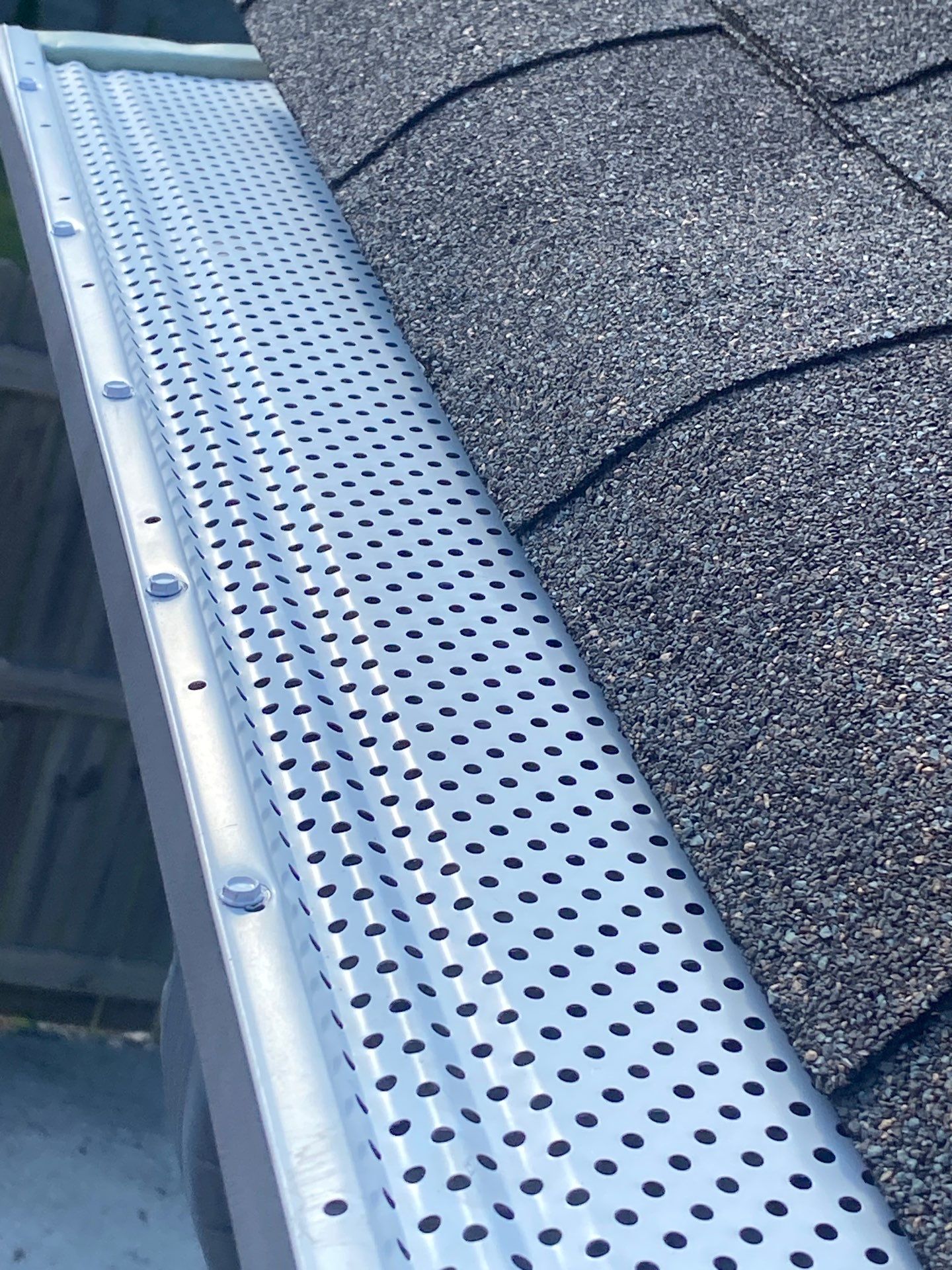
What Causes Gutters to Sag
Sagging gutters don't happen overnight. They're usually the result of small problems that build up for months, sometimes years, before you notice the droop. In our field visits, we see the same handful of causes over and over.
Weight is the biggest one. Wet leaves, pine needles, and standing water get heavy fast. A gutter packed with debris after a storm can hold way more weight than it was built for. That extra load pulls on the hangers, and over time, something gives.
- Failed or loosened hangers and spikes that no longer grip the fascia board
- Old fascia wood that's rotted or soft from water damage, so nothing can hold a fastener
- Improper pitch installed years ago, causing water to pool instead of drain
- Ice or heavy rain overloading a system that was never cleaned regularly
- Ladders or tree branches physically bending the gutter out of shape
Here's the part most homeowners don't think about: the gutter itself is rarely the actual problem. It's what's behind it. Fascia boards soak up water when gutters overflow for too long. Once that wood softens, no hanger in the world will hold a straight line. We've pulled gutters off homes in the area and found fascia so soft you could push a finger through it.
So when someone asks us if a new gutter guard will stop the sag, we have to be honest with them.
Gutter guards do a good job blocking future debris. But they sit on top of a system that already has structural issues. Adding a guard to a sagging gutter is like putting a new roof on a house with a cracked foundation. It looks better for a while, but the real problem is still underneath.
We've seen homeowners spend money on guards hoping it would fix the droop, only to call us a few months later when the whole section pulls away from the house. That's a hard call to make, and it's one we try to help people avoid before it happens.
A quick real-world example. We visited a home where the owner noticed one corner of the gutter pulling down after a big rain. Turned out three hangers had rusted through, and the fascia behind them was starting to rot. No guard was going to fix that. The fix was replacing the damaged section, sistering in new fascia, and reattaching with fresh hardware rated for the load.
This is why we always look at the whole system, not just the surface.
If your gutters are already pulling away, drooping in the middle, or separating at the seams, that's a repair job first. Once the structure is solid again, that's the right time to talk about guards. We offer gutter repairs, gutter reattachment, and fascia repair or replacement as part of getting a system back to where it can support long-term protection.
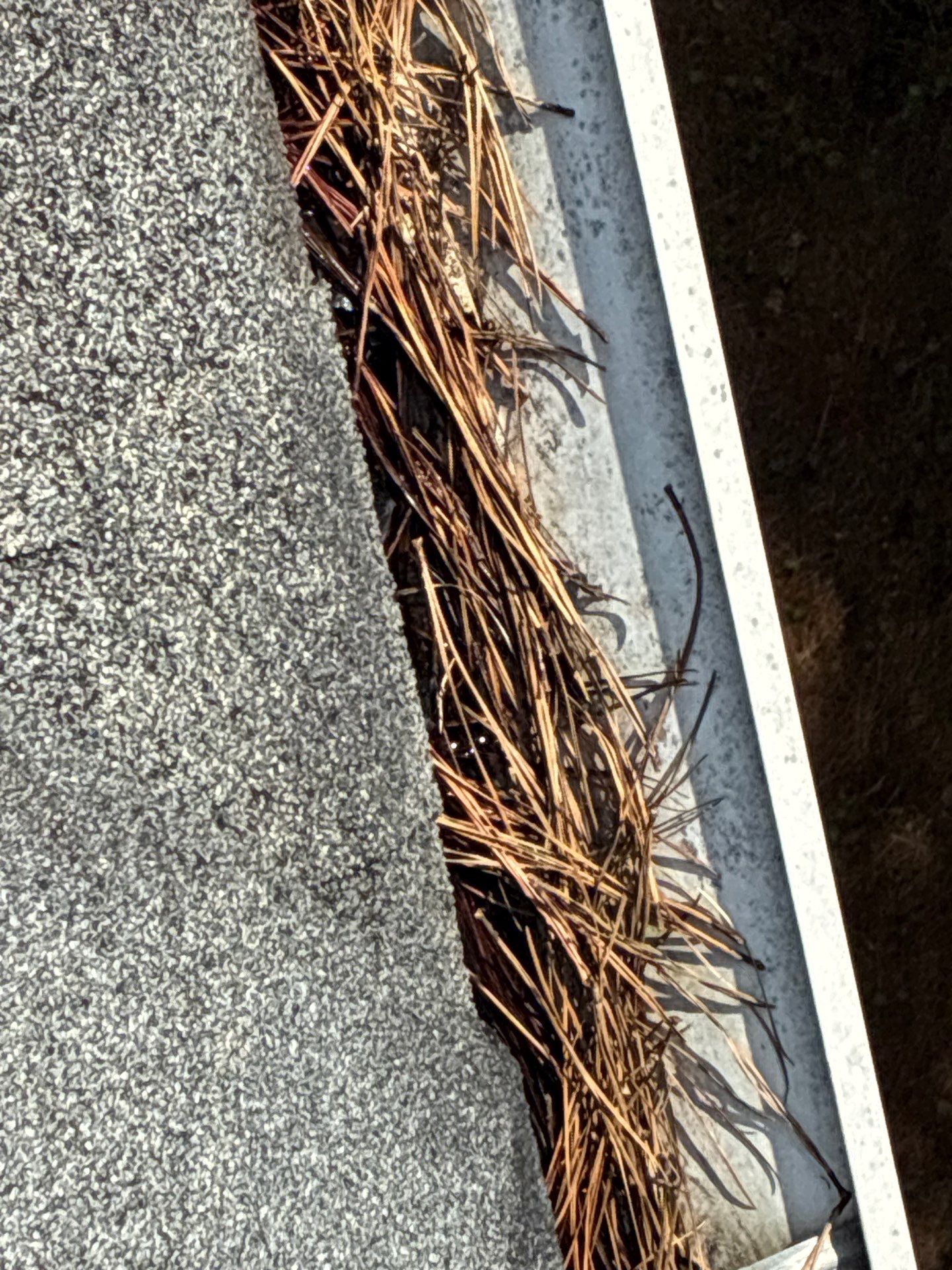
Repair or Replace: Match the Fix to the Problem
So how do you know if you need a repair, a replacement, or just gutter guards? Here's the order we use on every job. We check the damage first. Then we decide what fix solves it. Skipping this step is how homeowners end up paying twice.
- Check the slope. Gutters need a slight tilt so water runs to the downspout. If yours is flat or reversed, that's a hanger problem, not a guard problem.
- Look for separation. Are sections pulling apart at the seams? That calls for gutter reattachment or repair before anything else.
- Inspect the fascia board. Soft, spongy, or stained wood behind the gutter often means water's been sitting there a while. Fascia repair or fascia replacement comes first.
- Test the hangers. Loose or missing hangers cause sagging even with clean, empty gutters. This is a straight repair job.
- Only after the structure is sound, add gutter guards. Guards protect a healthy system. They don't rebuild a broken one.
We see this mistake all the time. Someone calls asking for gutter guards, but the real issue is a fascia board that's been soaking up water for two years. Guards on top of that just hide the problem a little longer. And that's not a fix, that's a delay.
Here's a quick example. Last fall we looked at a home with a gutter that sagged badly on one side. The owner wanted guards installed right away. Once we got up there, we found three broken hangers and a fascia section that had started to rot. We handled the fascia repair and gutter reattachment first. Guards went on after, once the system could hold water weight again.
Minor sagging versus major sagging matters here too. A gutter that dips an inch or two over ten feet usually just needs new hangers spaced closer together. But a gutter pulling completely away from the roofline, or one with visible cracks and rust holes, is telling you it's past patching. At that point, gutter replacement is the honest answer, not another round of repairs.
This is where we're direct with people, because it saves them money down the road.
For a gutter estimate, we do need you present. We want to walk the property with you, point out what we're seeing, and talk through which solution fits your home. Every visit includes pictures too, so you can see the exact spots we're flagging before any work starts.
Looking for the service itself?
This guide covers the decision. The Gutter Guards page covers what the visit includes and how to book it.
SEE GUTTER GUARDSTrusted by Homeowners
Licensed and insured. Real prices before we start. Before and after photos with every invoice.
Frequently Asked Questions
How do I know if my gutters need repair instead of just gutter guards?
You'll know repair comes first if you see sagging, gaps at the seams, or water pooling instead of draining. Guards can't fix a hanger that's pulled loose or a fascia board that's gone soft. Walk your gutter line after the next rain and watch where water goes. If it's dripping behind the gutter or overflowing in the middle, that's a structural sign, not a debris problem. A quick inspection can confirm exactly what's failing before you spend money on the wrong fix.
Why do gutters sag more near tree-lined streets?
Homes near tree-lined streets deal with heavier leaf and debris loads, which adds weight to the gutter system. Wet leaves and pine needles get heavy fast, and that extra weight pulls on hangers over time. Add in Georgia's heavy rainstorms, and a gutter that's already strained can start to droop within a season or two. This is why homes shaded by mature trees tend to show sagging sooner than homes on open lots.
Can I install gutter guards myself to stop a sagging gutter?
No, installing guards yourself won't stop sagging because guards don't add support to the gutter. If hangers are loose or fascia is rotted, the guard just sits on top of a weak system. You'd be locking in the damage instead of fixing it. The safer move is having someone check the hangers, fascia, and pitch first. Once that structure is solid, adding guards protects your investment instead of hiding a growing problem.
What's the difference between a sagging gutter and a leaking gutter?
A sagging gutter has a physical dip or droop, usually from failed hangers or weight overload. A leaking gutter has a hole, crack, or open seam where water escapes even if the gutter looks straight. Both point to structural issues that guards can't solve. Sometimes a gutter does both at once, especially after long-term neglect. Either sign means it's time to look at repair options before adding any kind of protection on top.
Should I worry about a small gutter sag if it's not causing visible water damage yet?
Yes, a small sag is worth addressing early, even without visible damage. Sagging gutters often dump water along the foundation or behind siding quietly, long before you see a stain or leak. That slow damage can soften fascia boards and weaken the structure further. Catching a small sag now, through a proper inspection and gutter repair, is far easier than dealing with a full section pulling away from your home later.
Do I need to be home for a gutter repair estimate?
Yes, being home matters for a repair or replacement estimate, but not for a standard cleaning visit. For repairs, we walk the property with you so you can see the sagging spots, loose hangers, or fascia damage firsthand. That way, the fix matches your actual situation instead of a generic guess. For routine cleaning, we document everything with photos so you still know exactly what condition your gutters are in.
Still Not Sure What You're Looking At?
Send us a photo or book a visit. We'll tell you what it is before anyone quotes a price.
BOOK NOW (opens in a new tab)Or call (404) 994-3494

Metro Atlanta's dedicated gutter specialists. Cleaning, repair, replacement, downspouts, drainage and soffit work, done right the first time with photo proof on every job.
Gutter Services
Drainage & Roofline
© 2026 Shelter Guard Gutter Cleaning and Repair. All Rights Reserved.