No clogged gutters. Cleaned in 24 hours or less.
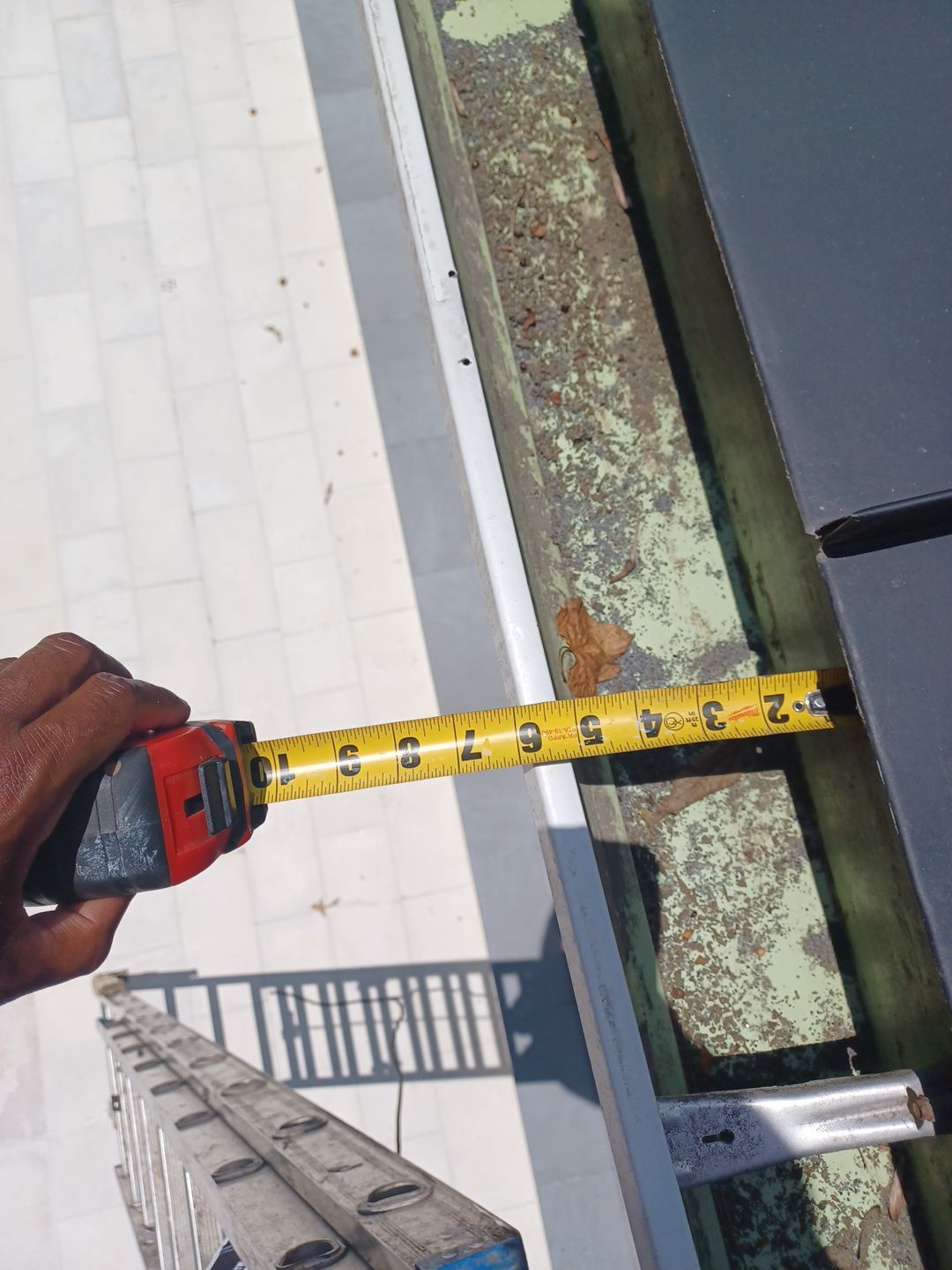
Home Guides How Do You Decide If I Need Reattachment or Fascia Repair Instead?
Gutter Reattachment
How Do You Decide If I Need Reattachment or Fascia Repair Instead?
A sagging gutter can mean two very different problems.
Why a Sagging Gutter Doesn't Tell the Whole Story
Quick Summary:
A sagging gutter can mean two very different problems. Sometimes the gutter has pulled away from good wood and just needs reattachment. Other times the fascia board behind it has rotted, and no amount of reattachment will hold until that board gets fixed.
How do you decide if you need reattachment or fascia repair instead? That's the question we get asked on almost every roofline we inspect. A sagging section looks the same from the ground no matter what's causing it. But up close, the story changes fast.
Here's the thing most homeowners don't realize. Gutters hang from fascia boards using hangers or spikes. If those fasteners loosen or pull out of solid wood, the fix is simple. We reattach the gutter, tighten everything up, and you're done. But if the fascia itself has gone soft from years of trapped moisture, the fasteners have nothing to grip. Screw a new hanger into rotted wood and it'll fail again within months. We see this mistake all the time when someone tries a quick DIY fix without checking what's underneath.
So how do we tell the difference? It comes down to what the wood feels like, not just what the gutter looks like.
- Solid wood feels firm when pressed with a screwdriver tip. No give, no crumbling.
- Rotted fascia feels spongy or soft, sometimes crumbling apart under light pressure.
- Water stains running down siding usually point to a fascia problem, not just a loose hanger.
- Gutters sagging at one spot only often mean a local reattachment fix.
- Gutters sagging along a whole run usually signal a bigger fascia issue behind them.
And this matters more around here than people think. Older homes and houses in neighborhoods with mature tree cover deal with more standing moisture and leaf buildup, which speeds up wood rot behind the gutter line. We've walked properties where the gutter looked fine from the street, but the fascia board behind it was black and soft to the touch. That's not a reattachment job anymore, that's a fascia repair job.
For a gutter cleaning visit, you don't need to be home. We take pictures the whole time so you can see exactly what we found, sagging spots, fastener condition, and any wood that looks questionable.
But for an estimate, we do need you there. Fascia and reattachment decisions depend on your specific situation, your roofline, your budget priorities, your home's age. We want to walk it with you and talk through what fits your house, not a one-size answer.
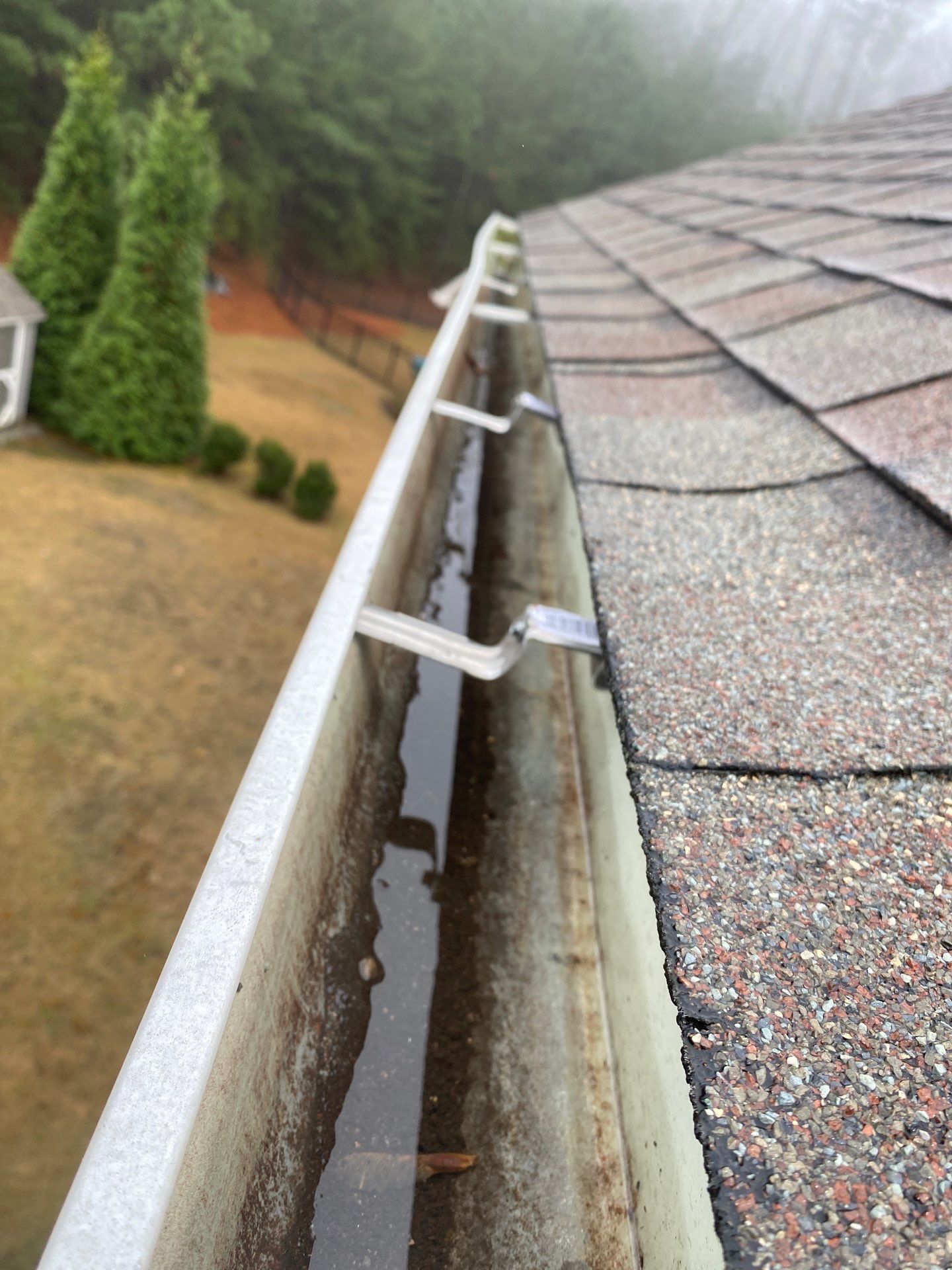
Signs Your Gutter Is Pulling Away From the House
A gutter pulling away from your roofline doesn't happen overnight. It's usually a slow process, and most homeowners miss the early clues. We've walked up to homes where the owner thought they had a small nail problem, only to find the fascia board underneath was soft as cardboard. So how do you tell the difference before it turns into a bigger job?
Start by looking at the actual gap between the gutter and the house. A small gap, maybe a quarter inch, often points to loose fasteners. That's a reattachment fix. But a gap you can fit your fingers into usually means the wood behind it has given up.
- Visible gaps or daylight between the gutter and the fascia board, especially after heavy rain
- Gutters sagging in the middle or pulling downward at the corners
- Streaks of dark staining on the fascia, a sign water has been sitting and soaking in
- Nails or screws lying in the yard or hanging loose from the gutter
- Soft, spongy, or crumbling wood when you press on the fascia with a hand or tool
That last one matters most. And it's the one people miss the longest, because it's hidden behind the gutter itself. If the wood flexes or crumbles under light pressure, you're not looking at a reattachment job anymore. You're looking at fascia repair or fascia replacement.
We see this mistake all the time in older neighborhoods with mature trees. Homeowners assume a sagging gutter just needs new hangers. Sometimes that's true. But if leaves and debris have been sitting in that gutter for a season or two, water has likely found its way behind the gutter and into the wood. Once wood rot sets in, screws won't hold no matter how many you add.
Here's a real scenario we run into often. A homeowner calls about a gutter hanging loose after a storm. We show up, take pictures, and find the hangers pulled clean out of the fascia. The wood around the holes is dry and solid. That's a straightforward reattachment. But down the same run, near a downspout, the fascia is dark and soft from years of overflow. That section needs fascia repair before anything gets reattached.
One more sign worth checking: uneven water flow during rain. If water pours over the front edge instead of running through the gutter, the pitch has likely shifted because the fasteners let go.
For a gutter cleaning visit, you don't need to be home. We take photos throughout the visit so you can see exactly what we saw, gaps, staining, soft wood, all of it. That way you're never guessing what's going on behind your gutters.
But if things look serious enough for reattachment or fascia repair, we'll want you there for the estimate. That's when we walk the property together and talk through what's causing the problem, not just patch what's visible.
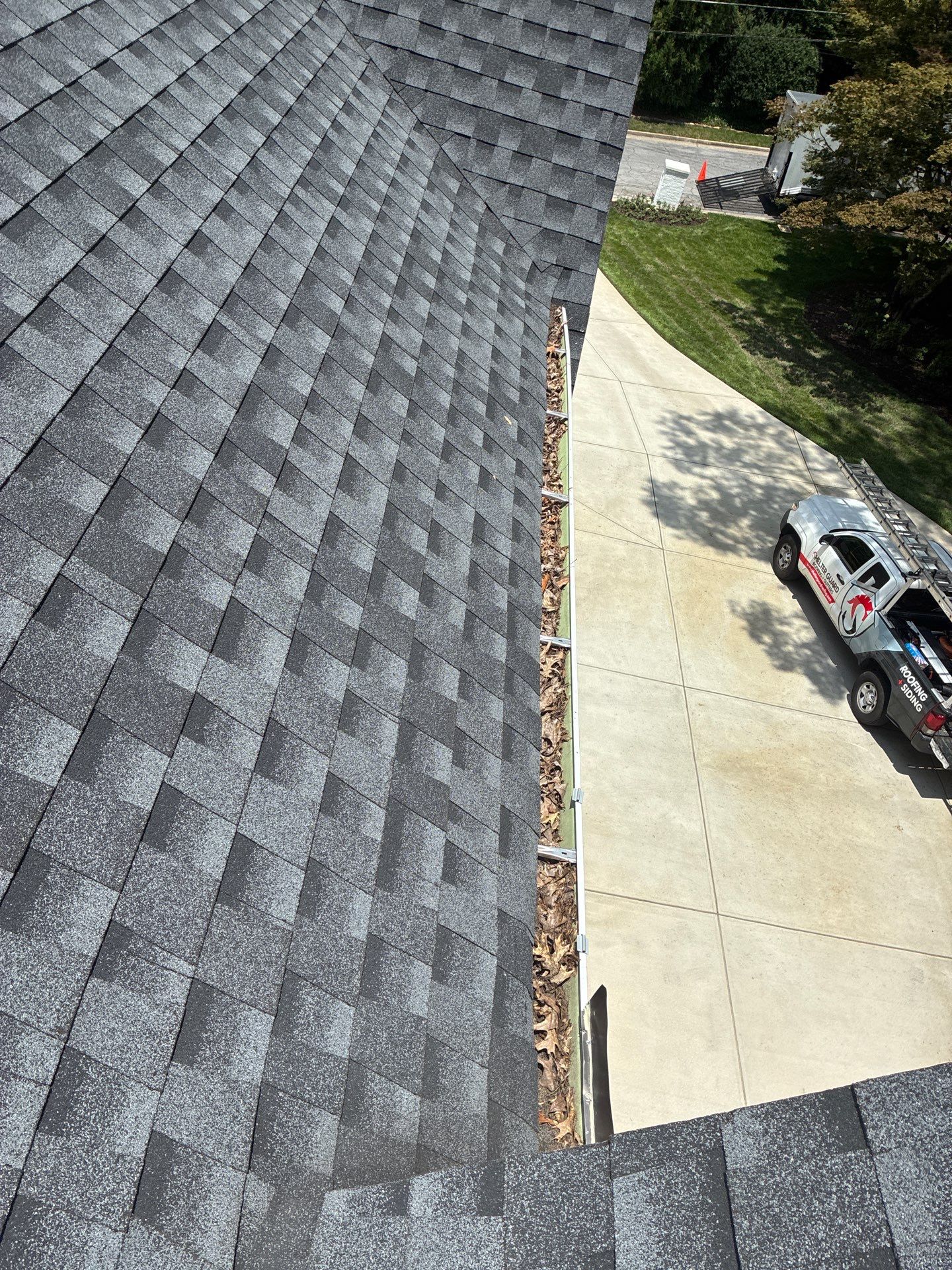
Signs of Fascia Board Damage Behind the Gutter
Here's the next piece of the puzzle. Start by looking at what's behind the gutter, not just the gutter itself. Fascia is the board that runs along your roofline, and it's what your gutters hang from. If that board is soft, cracked, or rotted, no amount of reattachment will hold. We see this mistake all the time around here, where humidity and pollen buildup trap moisture against the wood for months before anyone notices.
A gutter that's pulling away from the house isn't always a fastener problem. Sometimes the screws are fine, the wood just can't hold them anymore.
- Dark streaks or black staining running down the fascia board itself
- Soft spots you can press in with a finger, especially near seams or corners
- Paint that's bubbling, peeling, or flaking near the roofline
- Gutters sagging in the middle even after brackets were tightened
- Visible gaps between the fascia and the roof edge, letting daylight through
- Small holes or crumbling wood, often a sign of carpenter ants or moisture rot
Any one of these on its own might not mean much. But two or three together usually points to fascia damage, not a loose gutter.
We've walked up to homes where the homeowner called about a 'gutter that keeps falling down.' Turned out the fascia behind it had been soaking up runoff for a couple of years. The wood had gone soft enough that screws just spun in place. That's not a reattachment job anymore. That's a fascia repair job first, then reattachment second.
So how do you tell the difference from the ground? You often can't, not fully.
That's why photos matter so much during any visit. For a standard gutter cleaning, you don't need to be home at all, we handle it and document everything with pictures so you can see exactly what we saw. But if you're getting an estimate for repair or replacement work, we do need you there. Fascia and gutter problems rarely have one fix, and we want to walk the situation with you and talk through what makes sense for your roofline, your budget, and how long you plan to stay in the house.
One more thing worth checking: look at your soffit too. If the fascia's compromised, the soffit right above it often shows soft spots or staining as well. The two usually fail together, not separately.
Looking for the service itself?
This guide covers the decision. The Gutter Reattachment page covers what the visit includes and how to book it.
SEE GUTTER REATTACHMENTTrusted by Homeowners
Licensed and insured. Real prices before we start. Before and after photos with every invoice.
Frequently Asked Questions
How do I know if my gutter problem is reattachment or fascia repair?
You know by checking what the wood feels like behind the gutter, not just how the gutter looks. Solid wood feels firm when you press it with a screwdriver tip. Rotted fascia feels soft or spongy, and it may crumble. A sagging spot in one small area often just needs reattachment. Sagging along an entire run usually points to a bigger fascia problem. That's exactly what we check during a gutter inspection before recommending a fix.
What causes fascia boards to rot behind gutters?
Fascia boards rot when water sits against the wood for too long instead of draining away. This usually happens when leaves and debris clog the gutter, causing overflow that soaks into the board behind it. Once wood traps moisture, rot spreads even if the surface looks fine. Homes with mature tree cover see this more often, since leaves pile up fast and hold water against the fascia line year-round.
Why do homes here see more fascia damage than other areas?
Older homes and neighborhoods with heavy tree cover face more standing moisture and leaf buildup. That combination speeds up wood rot behind the gutter line compared to homes with less shade and cleaner runoff. We've inspected properties where the gutter looked fine from the street, but the fascia board behind it was already black and soft. Local tree cover is a big reason why regular inspection matters here.
Can I just add more screws if my gutter keeps sagging?
No, adding more screws won't fix sagging caused by rotted fascia. Screws need solid wood to grip, and rotted wood crumbles around the hole no matter how many fasteners you add. This is the most common mistake homeowners make after a storm loosens a gutter. If the wood underneath has gone soft, the real fix is fascia repair first, then reattachment, not just more hardware.
Should I call a professional or try to fix a sagging gutter myself?
Call a professional if you notice gaps, staining, or soft wood, since those signs usually mean more than a simple fix. A small gap with firm wood underneath might be a quick reattachment job you could handle. But soft or crumbling fascia needs a trained eye to catch before it spreads further along the roofline. Our estimate visits walk your property together so you know exactly what's causing the problem before any work begins.
Does a sagging gutter always mean I need a full fascia replacement?
No, a sagging gutter doesn't always mean full fascia replacement. Many sagging sections are simple reattachment fixes where the fasteners pulled out of otherwise healthy wood. Full fascia repair is only needed where the board itself has gone soft or rotted from trapped moisture. That's why checking the wood condition, not just the visible sag, matters so much. Learn more about how we evaluate this on our gutter cleaning and inspection page. See our guide on fascia repair vs. full replacement for more on making that call.
Still Not Sure What You're Looking At?
Send us a photo or book a visit. We'll tell you what it is before anyone quotes a price.
BOOK NOW (opens in a new tab)Or call (404) 994-3494

Metro Atlanta's dedicated gutter specialists. Cleaning, repair, replacement, downspouts, drainage and soffit work, done right the first time with photo proof on every job.
Gutter Services
Drainage & Roofline
© 2026 Shelter Guard Gutter Cleaning and Repair. All Rights Reserved.