No clogged gutters. Cleaned in 24 hours or less.
Home Guides Why Do Gutters Keep Detaching From Older Homes?
Why Do Gutters Keep Detaching From Older Homes?
Gutters keep detaching from older homes because the wood behind them, the fascia board, has been
The Real Reason Gutters Keep Pulling Away From the House
Quick Summary:
Gutters keep detaching from older homes because the wood behind them, the fascia board, has been
soaking up water for years and slowly rotting
. Old nails or spikes also loosen over time and just can't grip soft wood anymore. Once the board is weak, no amount of re-nailing fixes the problem for good.
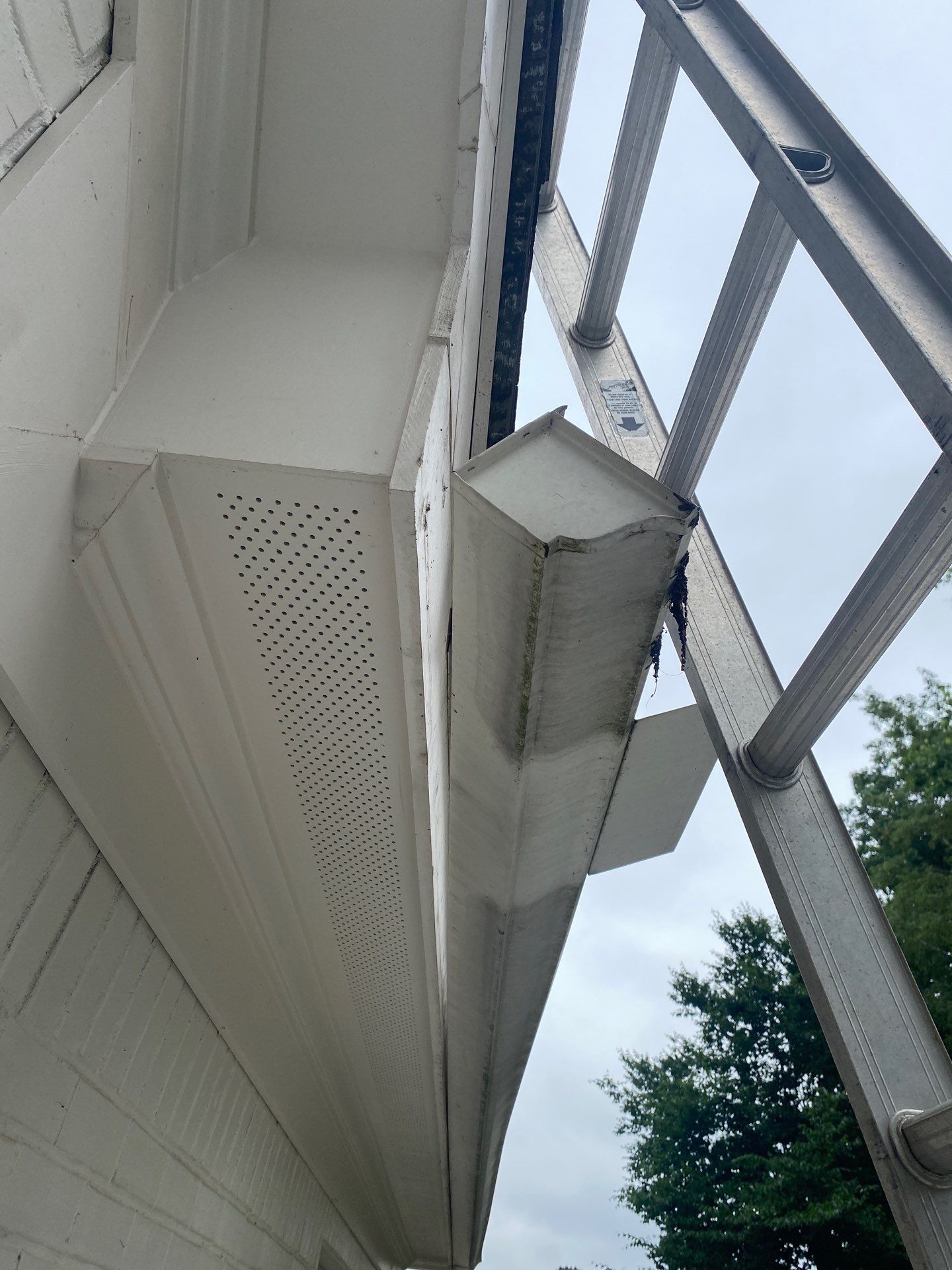
Why do gutters keep detaching from older homes? Most of the time, it's not the gutter itself that's failing. It's what's holding the gutter up. Homes built decades ago often still have their original fascia boards, the wood trim that runs along the roofline. Rain, humidity, and years of freeze-thaw cycles wear that wood down slowly. And once it's soft, gutters have nothing solid to grip onto.
We see this mistake all the time. A homeowner notices a sagging gutter, calls someone to re-nail it, and thinks the job is done. But if the fascia underneath is already rotten, those nails just pull right back out within a season or two. It's like trying to screw something into wet cardboard. The fix looks fine for a few months, then the same section drops again after the next storm.
Older homes also used a different attachment method than what's common today. Many still have spike-and-ferrule fasteners, long nails driven straight through the gutter into the fascia. These loosen with age faster than modern hidden hangers do. Every time the gutter fills with water, ice, or wet leaves, it puts weight on those old spikes. Over years, the holes widen and the grip fails.
- Rotted or soft fascia boards that can't hold fasteners anymore
- Old spike-and-ferrule hangers that loosen with age and weight
- Years of standing water from clogged gutters soaking into the wood
- Ice buildup during cold snaps that pries gutters away from the roofline
- Ladder damage or foot traffic during past roof work that bent hangers
So what's the actual fix? It starts with figuring out how far the rot goes. Sometimes it's just a few feet near a downspout. Sometimes the whole board needs attention. We'd rather find the full extent of the problem now than have you calling again next spring for the section right next to it.
Here's a real scenario we run into often. A homeowner has a 1970s brick ranch with the original wood fascia. One corner keeps pulling loose every year. Turns out the downspout there has been clogged for who knows how long, dumping water behind the gutter every time it rains. The board underneath is soaked through. Re-nailing it again would've just repeated the same failure by next winter.
That's the real cause of the problem. Weak wood underneath, old fasteners on top, and water doing damage neither one can survive for long.
Common Causes of Sagging and Detached Gutters
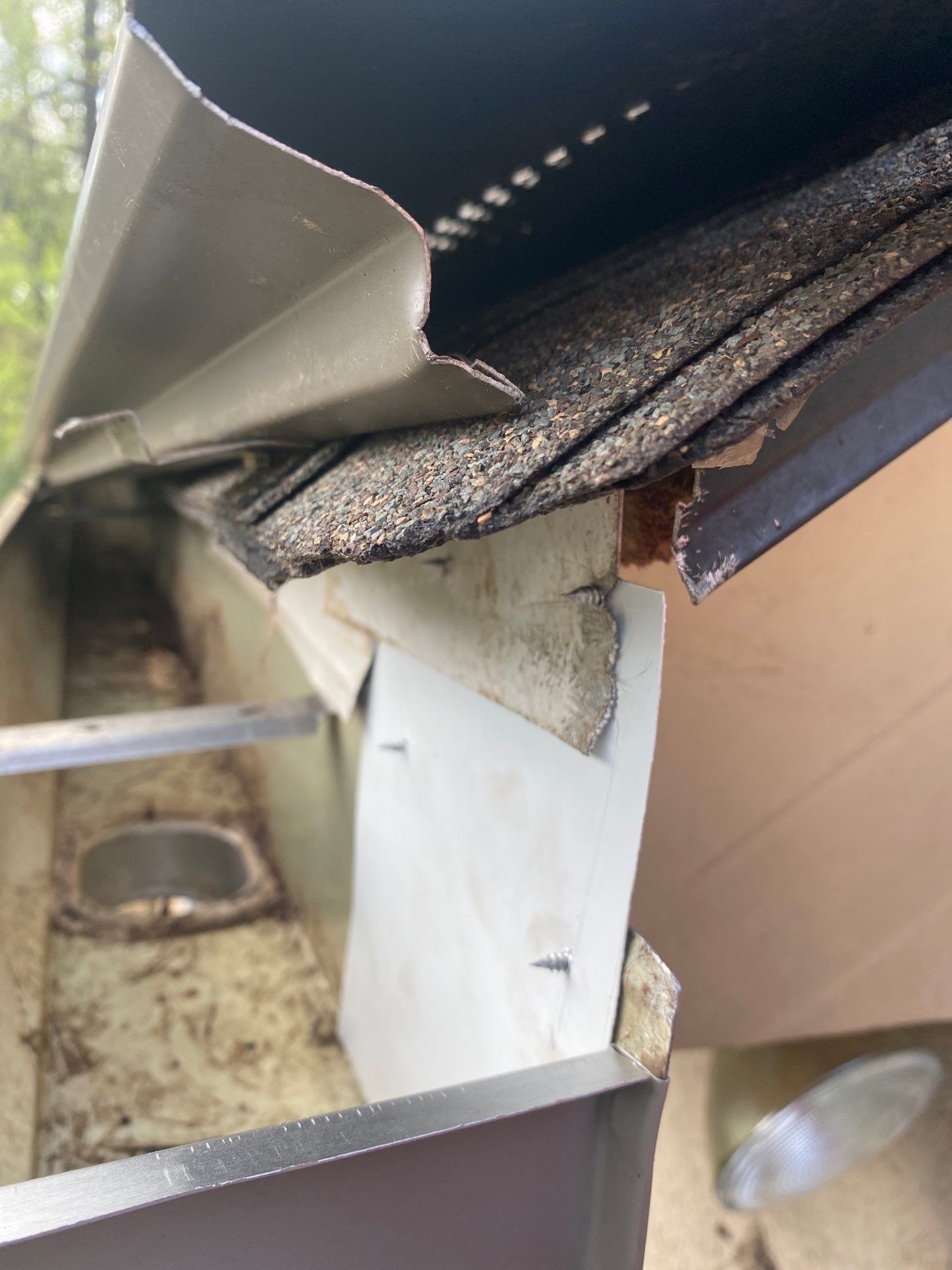
Why does this keep happening on older properties? Most of the time, it comes down to a few repeating problems. The fascia board rots. The fasteners give out. Or the gutters were never sized right for how much water falls on that roof. None of these show up overnight. They build for years, quietly, until one storm finally pulls a section loose.
Older homes often have original wood fascia boards from decades back. Wood soaks up water every time gutters overflow or leak at the seams. Over time it softens, then it rots from the inside. Once that happens, the nails or screws holding your gutter have nothing solid to grip. We've pulled fasteners out of fascia that crumbled like wet cardboard in our hands.
- Rotted or soft fascia boards that no longer hold screws or spikes
- Old spike-and-ferrule hangers that loosen and back out over time
- Gutters clogged with leaves and debris, adding hundreds of pounds of extra weight
- Ice and heavy rain sitting in gutters that were never pitched correctly
- Ladders, tree limbs, or storm debris knocking hangers loose over the years
Weight is a bigger factor than most people realize. A clogged gutter full of wet leaves and standing water can weigh far more than an empty one. And that extra weight puts constant strain on every hanger and fastener. Add a heavy Georgia rainstorm on top of that, and something has to give. Usually it's the weakest hanger, or the softest section of fascia.
Old hanging styles matter too. Many older homes still have the original spike-and-ferrule hangers instead of modern hidden hangers. Spikes back out of wood over time, especially with seasonal freeze-thaw cycles and temperature swings. It's a slow process, and most homeowners don't notice until the gutter is visibly pulling away from the roof edge.
We had a call from a homeowner whose front gutter was sagging almost a foot in the middle.
Turned out three hangers had backed out completely, and the fascia behind them was soft enough to push a finger through. That's a structural issue, not just a cosmetic one. Your gutter system is part of what protects your home's foundation and siding from water damage. When it fails, that protection fails with it.
We don't need you home for a standard gutter cleaning visit. We take photos throughout so you can see exactly what we found, including any fascia damage or loose hangers spotted along the way.
If you're seeing sagging, pulling, or gaps between the gutter and the roofline, it's worth getting a real look at what's driving it before it gets worse.
View Gutter Repair Solutions
How Rotted Fascia Boards Cause Repeated Gutter Failure
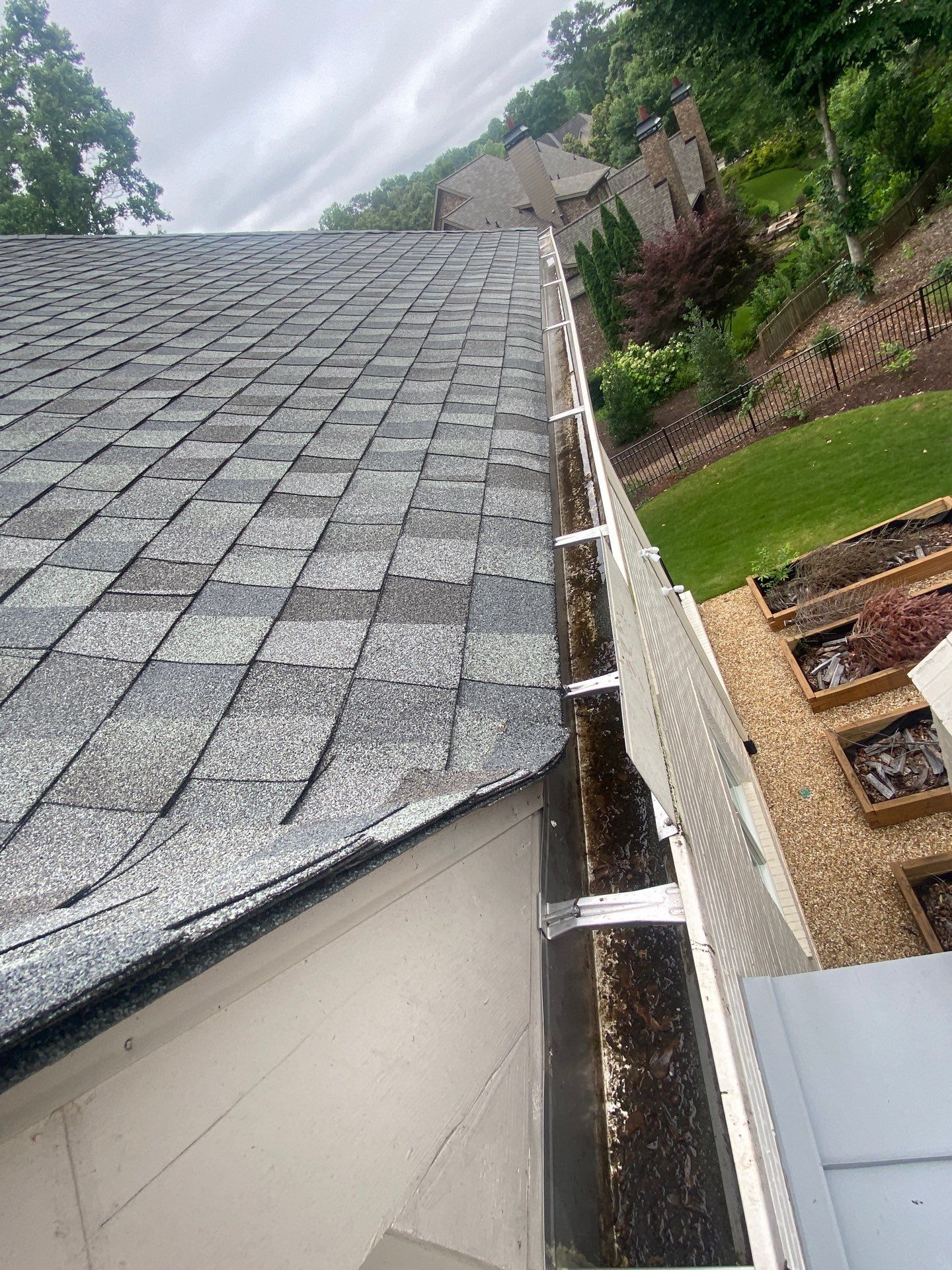
Here's the part most homeowners never see. Gutters don't hang from air. They hang from fascia boards, the wood strip running along your roofline. On older homes, that wood has been soaking up rain, pollen, and humidity for decades. Once fascia goes soft, it can't hold a nail or screw anymore. So the gutter pulls loose, no matter how many times someone reattaches it.
We see this mistake all the time. A crew shows up, screws the gutter back on, and leaves. Six months later it's hanging again. Why? Because nobody checked what the fasteners were biting into. If the wood underneath is mush, a new screw just finds another soft spot and fails the same way.
Think of fascia like the frame around a picture. If the frame is cracked, the picture won't stay level no matter how you adjust it.
Rotted fascia usually shows warning signs before a gutter falls. Catching these early saves you from a bigger repair down the road.
- Dark streaks or peeling paint along the roofline
- Soft or spongy wood when pressed with a finger
- Gutters that sag or pull away after every storm
- Small holes or crumbling edges near the fascia board
- Water stains on the soffit just below the gutter line
And here's the thing about the older housing stock around here. A lot of these homes were built with wood fascia decades before builders started using more moisture-resistant materials. Combine that with Georgia's humid summers and heavy pollen season, and you've got wood that breaks down faster than folks expect. We've walked properties in older neighborhoods where the fascia looked fine from the ground, but up close it crumbled like wet cardboard.
One client scenario sticks with me. A homeowner had their gutters reattached three times in two years. Same spot, same failure. Nobody had climbed up to check the wood. Once we got up there, the fascia board was so rotted it barely held a fingernail. Reattaching the gutter without fixing that board was like tightening a bolt on a stripped screw hole. It was never going to hold.
This is why we always inspect fascia condition before recommending a gutter reattachment. A gutter is only as strong as what it's bolted to. If the wood's compromised, we'll flag it, and depending on the damage, that might mean soffit repair or fascia repair alongside the gutter work.
For a standard gutter cleaning, you don't need to be home. We take photos throughout the visit anyway, so you'll always see exactly what we found. But if we're talking about a gutter estimate or reattachment, we do ask that you're there. Fascia problems vary a lot house to house, and we'd rather walk the issue with you and figure out what fits your home.
Check Gutter Reattachment Services
Looking for the service itself?
This guide covers the decision. The Gutter Reattachment page covers what the visit includes and how to book it.
SEE GUTTER REATTACHMENTTrusted by Homeowners
Licensed and insured. Real prices before we start. Before and after photos with every invoice.
Frequently Asked Questions
How do I know if my fascia board is rotten or just my gutter is loose?
Push gently on the wood behind the gutter where it sags. If it feels soft, spongy, or your finger sinks in, the fascia is rotten, not just the gutter. A loose gutter with solid fascia usually just needs re-nailing. But if the wood gives way, re-nailing won't hold. That's a sign you need someone to check the fascia itself before reattaching anything.
Can I just re-nail a sagging gutter myself?
You can, but it usually won't last if the fascia underneath is soft. Re-nailing only works when the wood is still solid enough to grip the fastener. On older homes with original fascia, that's often not the case anymore. If your gutter keeps pulling loose in the same spot every year, the fix needs to go deeper than a few new nails.
Why do older homes have this problem more than newer ones?
Older homes often still have their original wood fascia boards, which have absorbed decades of rain and humidity. Newer homes usually have fascia treated for moisture resistance or use hidden hanger systems instead of old spike-and-ferrule fasteners. Decades of Georgia storms and freeze-thaw cycles wear down that original wood faster than most people expect.
What's the difference between spike-and-ferrule hangers and modern hidden hangers?
Spike-and-ferrule hangers are long nails driven straight through the gutter into the fascia, and they loosen with age. Modern hidden hangers use screws and brackets that grip better and spread weight more evenly. If your home still has the old spike style, that's a common reason gutters keep pulling away, especially once the wood behind them softens.
Does a clogged gutter really cause it to detach faster?
Yes, a clogged gutter can add hundreds of pounds of extra weight from wet leaves and standing water. That weight puts constant strain on every hanger and fastener holding the gutter up. Add a heavy rainstorm, and something usually gives, often the weakest hanger or softest section of fascia. Keeping gutters clear reduces that strain.
How far does fascia rot usually spread once it starts?
It depends, but rot often spreads further than the visible sagging spot suggests. Sometimes it's only a few feet near a downspout. Other times, water has been soaking a much longer stretch of the board for years without anyone noticing. That's why a proper look at the gutter reattachment options for your home should include checking the fascia's full condition, not just the section that's currently pulling loose.
Still Not Sure What You're Looking At?
Send us a photo or book a visit. We'll tell you what it is before anyone quotes a price.
BOOK NOW (opens in a new tab)Or call (404) 994-3494

Metro Atlanta's dedicated gutter specialists. Cleaning, repair, replacement, downspouts, drainage and soffit work, done right the first time with photo proof on every job.
Gutter Services
Drainage & Roofline
© 2026 Shelter Guard Gutter Cleaning and Repair. All Rights Reserved.