No clogged gutters. Cleaned in 24 hours or less.
Home Guides Does Your Tree Need Pruning Now?
Tree Pruning
Does Your Tree Need Pruning Now? What Overhanging Limbs Mean for Your Roof and Gutters
Act now if the tree threatens people, your roof, or your gutters.
Act Now vs. Can Wait: How to Decide
Act now if the tree threatens people, your roof, or your gutters. Wait if the issue is shape, density, or slow growth toward a structure. The difference is whether failure would cause damage today or six months from now.
Most homeowners want one thing from us: permission to wait. And sometimes we give it. But other times we walk a property and know the answer before we finish the driveway.
Here's the test we use. Ask yourself what happens if that limb lets go tonight during a storm. If the answer involves your roof, your gutters, a car, or a person, the clock started already.
- A limb is cracked, split, or hanging. Gravity already won. Get it down.
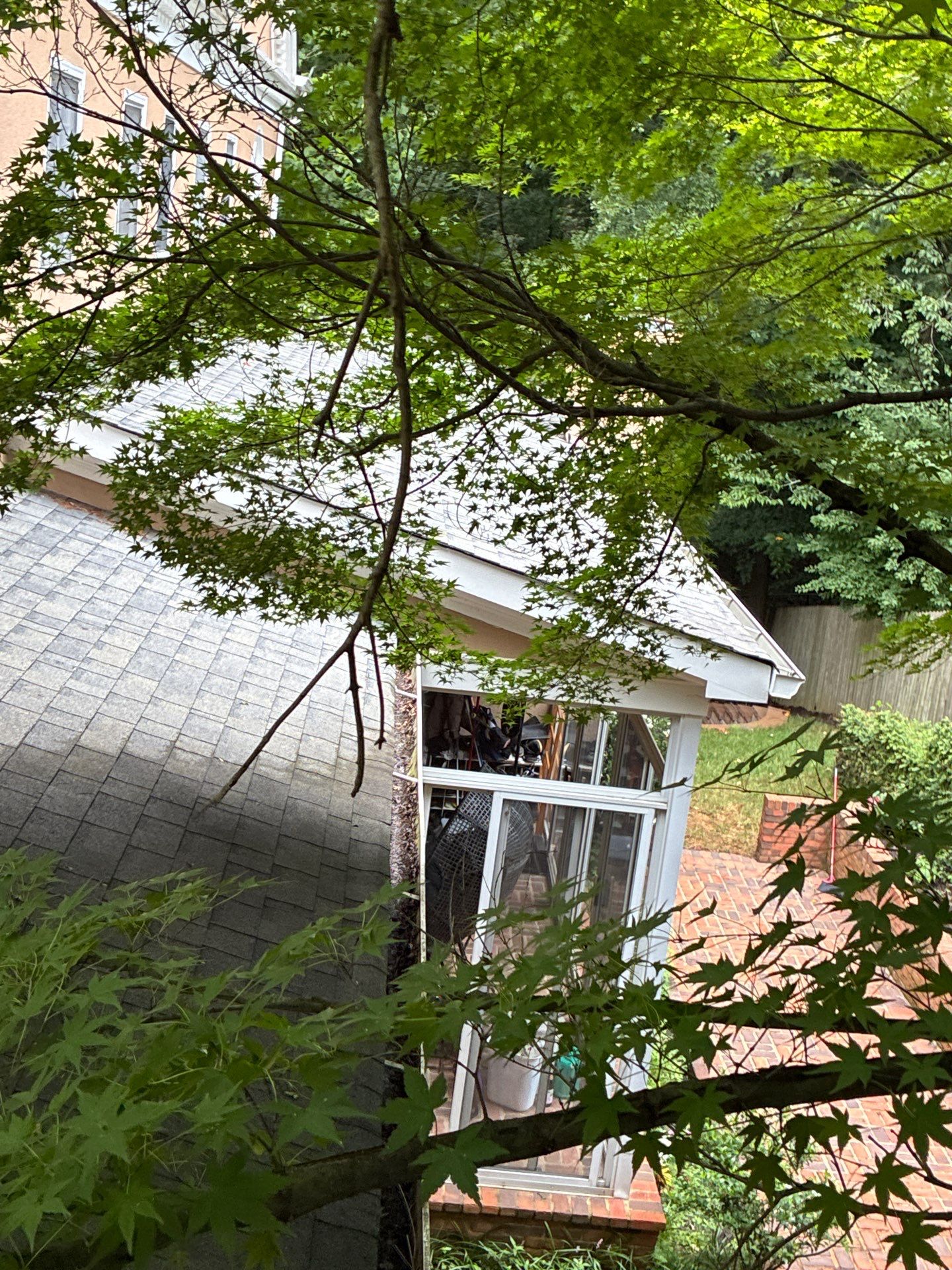
- Branches are touching or resting on the roof. Shingles wear fast under that friction, and the limb feeds debris straight into your gutters.
- A large dead limb sits over a walkway, deck, or driveway. Dead wood doesn't bend in wind. It snaps.
- Storm damage tore the canopy and left ragged breaks. Clean cuts heal. Torn wood invites rot.
- Growth is crowding a power drop or service line. That one needs a professional look immediately, not a ladder and a hope.
Number two is the one we see most. Those mature water oaks and pines hang over rooflines all over the older neighborhoods here. Homeowners assume a branch grazing the shingles is harmless.
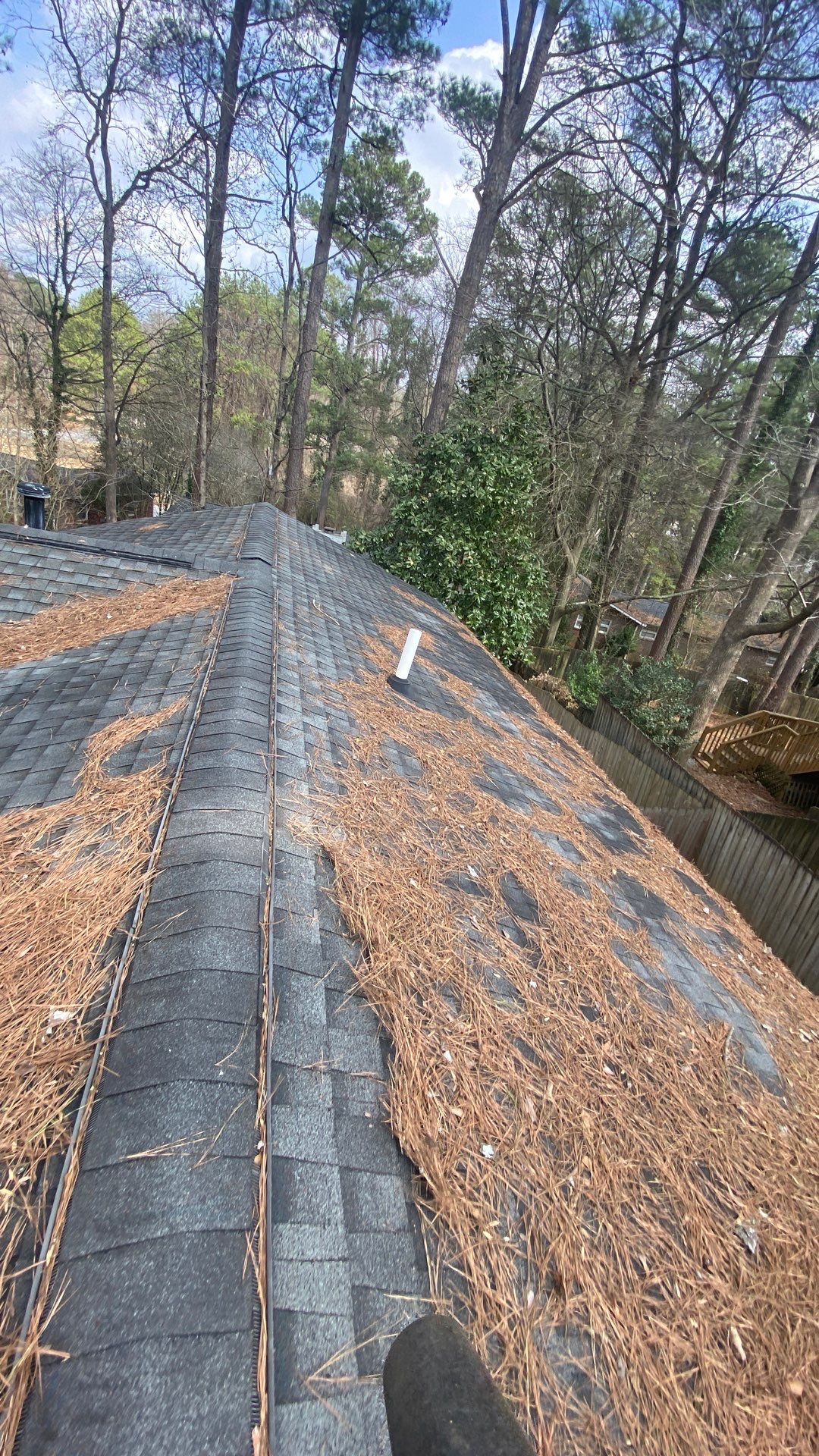
It isn't. That single limb can dump enough needles and leaf litter to pack a gutter run solid in one season.
Now the other side. Plenty of pruning can hold, and rushing it can hurt the tree. Stress cuts during peak heat or heavy sap flow leave the tree working harder than it needs to.
- The tree looks lopsided or too dense, but nothing is near a structure
- You want to raise the canopy for light or lawn health
- Small suckers and water sprouts are sprouting along the trunk
- A young tree needs shaping to build good structure over time
- Growth is heading toward the house but is still several feet away
Those can wait for dormant season. Late fall through winter is the window here.
A homeowner called us in July about a maple he swore was dangerous. We looked. It was thick, not broken. We told him to wait until December and spend his summer on the pine limb behind the garage that was pressing his fascia board. He did. That's proactive, not reactive.
When you can't tell which category you're in, don't guess from the ground. Angles lie. A limb that looks fine from the yard can show a split you'd only spot from a ladder.
Dead Branch or Dormant Branch? Telling the Difference
Winter makes every tree look half dead. Bare limbs, no leaves, gray bark. But most of those branches are just dormant, and they'll leaf out fine come March. The trick is knowing which ones won't.
We get called out for this all the time. A homeowner spots a bare limb hanging over the roof in February and assumes the worst.
Sometimes they're right. Often they're not.
Here's the good news. You can settle the question in about thirty seconds with your own hands, no ladder needed if the branch is low enough to reach.
The scratch test is the fastest tool you've got. Find a small twig on the limb in question. Bend it. A dormant branch flexes, it feels a little springy and refuses to snap clean. A dead branch cracks right off with a dry pop. Then scratch the bark with your thumbnail. Green or pale moist tissue underneath means the branch is alive. Brown, dry, papery tissue means it's gone.
Do this on two or three twigs from the same limb. One dead twig proves nothing. Three in a row tells you something.
- Bark that's peeling, cracked, or falling off in sheets while nearby limbs hold tight bark
- Mushrooms or shelf fungus growing on the branch or where it joins the trunk
- Small round exit holes in the wood, usually from borers
- A limb that's a noticeably different color than the rest of the canopy
- No buds at all in late winter while every other branch has swollen tips
That last one is the strongest signal. By late February around here, most hardwoods have visible buds. Run your fingers along a branch tip. Dormant wood has firm little bumps ready to open. Dead wood has nothing but smooth, brittle stick.
Now, does it matter? That depends entirely on where the branch sits.
A dead limb over your driveway or roofline is a now problem. Dead wood loses flexibility, so it doesn't bend in wind, it breaks. And we get plenty of wind with our summer storms. A dead limb over the back corner of the yard where nothing can get hurt? That one can wait for the right pruning window.
Same branch. Two completely different answers.
One more thing worth knowing. Dead limbs love to drop into gutters. We've pulled sections of rotted branch out of gutter troughs more times than I can count, and they act like a dam. Water backs up, spills over the fascia, and now you've got a wood rot problem on top of a tree problem. That's why we look at both when we're on a roof.
If you can't reach the branch or you're just not sure, don't guess from the ground with binoculars. Have someone look at it up close. For an estimate we do need you home, that way we can walk the property together and talk through what makes sense for your trees and your roofline.
Why Timing Matters in Georgia's Climate
Georgia gives trees a long growing season and a short rest. That changes everything about pruning timing. Around here, we get hot humid summers, wet springs, and winters that barely freeze. Those conditions shape when a cut heals clean and when it invites trouble.
Late winter is the sweet spot for most healthy trees. Leaves are gone. You can see the branch structure clearly. The tree is dormant, so it's not pushing energy into new growth. Cuts made then seal fast once spring arrives.
But dormant season isn't a rule. It's a preference.
Here's how the year usually breaks down for trees in our area:
- Late winter through very early spring: best window for structural pruning, thinning, and shaping most hardwoods.
- Spring: avoid heavy cuts on oaks. Oak wilt spreads through beetles that are most active in warm wet months.
- Summer: fine for light cleanup and removing deadwood. Avoid big cuts during drought stress or extreme heat.
- Fall: generally the worst time for major pruning. Fungal spores are everywhere and wounds close slowly.
- Any time of year: broken, hanging, or clearly dead limbs come down immediately.
That last line matters more than the rest. Safety pruning ignores the calendar completely. A cracked limb over your driveway doesn't care that it's October.
We see this mistake all the time. Someone spots a dangerous branch in September and decides to wait until February. Then a storm rolls through in November and the limb takes out a gutter run, a section of fascia, and part of the roof edge. The pruning would've been simple. The repair after isn't.
Our storm season is the real driver here. Metro Atlanta gets strong thunderstorms from spring through late summer, plus the occasional ice event in winter. Ice is the sneaky one. It doesn't happen often, so nobody plans for it. But a half inch of ice on a heavy limb adds serious weight fast, weak branches snap under loads they handled fine all year.
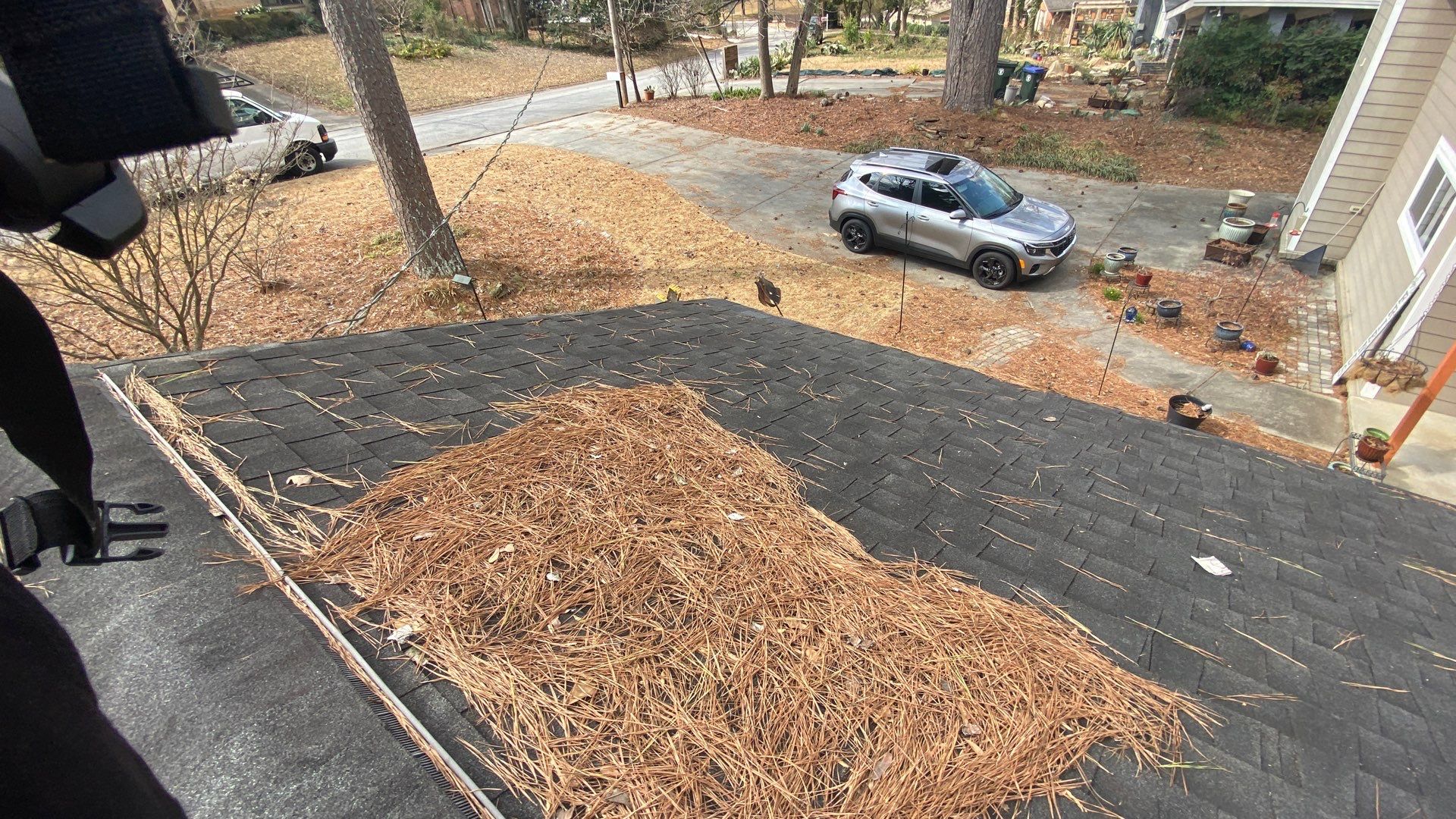
Think about the trees leaning over your roofline. Where do those branches drop leaves and twigs? Straight into your gutters. We deal with a lot of oak, pine, sweetgum, and maple, and every one of them sheds differently. Pines drop needles year round. Sweetgums drop those spiky balls that jam downspout openings like corks.
So pruning timing and gutter health run on the same schedule. Trim back the overhang before the heavy shedding season and you cut your clog risk dramatically.
One more thing on timing. Humidity here is brutal on wounds. A large cut made in muggy weather stays wet longer, and that's when decay fungi move in. Smaller cuts heal faster than big ones in any season. If you prune a little every couple of years, you never need the big cuts that carry real risk.
Regular light maintenance beats one dramatic overhaul. Always has.
Looking for the service itself?
This guide covers the decision. The Tree Pruning page covers what the visit includes and how to book it.
SEE TREE PRUNINGTrusted by Homeowners
Licensed and insured. Real prices before we start. Before and after photos with every invoice.
Frequently Asked Questions
How do I know if a tree branch is dead or just dormant in winter?
You can test it yourself in about thirty seconds. Bend a small twig on the limb. A dormant branch flexes and feels springy, while a dead branch snaps with a dry pop. Then scratch the bark with your thumbnail. Green or moist tissue underneath means it's alive. Brown, dry, papery tissue means it's dead. Check two or three twigs on the same limb before deciding, since one dead twig doesn't prove the whole branch is gone.
Can pruning at the wrong time of year hurt my tree?
Yes, cutting during peak summer heat or heavy sap flow can stress a tree more than necessary. Late fall through winter is the best window for most healthy trees, since the tree is dormant and not pushing energy into new growth. If your issue is shape, density, or a branch still several feet from your house, it can usually wait for that cooler window instead of being cut right away.
Why do my gutters keep clogging even though I clean them regularly?
Overhanging limbs are usually the cause, not a gutter problem itself. Branches touching or resting near your roof drop needles, leaves, and small debris straight into the gutter run all season long. In older neighborhoods with mature water oaks and pines, one limb near the roofline can pack a gutter solid within months. Dead branches make it worse, since rotted wood pieces can fall in and act like a dam, backing up water onto your fascia. See our full guide on why gutters clog again after cleaning.
Does Georgia's climate affect when I should prune my trees?
Yes, our long growing season and mild winters change the timing quite a bit. This area sees hot humid summers, wet springs, and winters that rarely freeze hard, so trees never get a long true rest. Late winter still tends to seal cuts fastest, since bare branches show structure clearly and the tree isn't fighting new growth. Understanding this seasonal pattern is a good place to start when you're comparing your options for tree pruning.
How can I tell if a branch is dangerous versus just messy looking?
Ask what would happen if that limb fell tonight during a storm. If it could hit your roof, gutters, a car, or a person, treat it as urgent. If the tree just looks lopsided, dense, or the growth is still several feet from any structure, it's a cosmetic issue that can wait. Cracked, split, or hanging limbs and large dead wood over walkways always fall into the urgent category, no matter how they look otherwise.
Is it safe to check a tall or overhanging branch from the ground?
Not really, because angles from the ground can hide real problems. A limb that looks fine from your yard can have a split or crack you'd only see from a ladder or up close. This is especially true for growth near power drops or service lines, which needs a professional look right away. If you're unsure which category your tree falls into, it's worth having someone examine it closely rather than guessing from below.
Still Not Sure What You're Looking At?
Send us a photo or book a visit. We'll tell you what it is before anyone quotes a price.
BOOK NOW (opens in a new tab)Or call (404) 994-3494

Metro Atlanta's dedicated gutter specialists. Cleaning, repair, replacement, downspouts, drainage and soffit work, done right the first time with photo proof on every job.
Gutter Services
Drainage & Roofline
© 2026 Shelter Guard Gutter Cleaning and Repair. All Rights Reserved.