No clogged gutters. Cleaned in 24 hours or less.
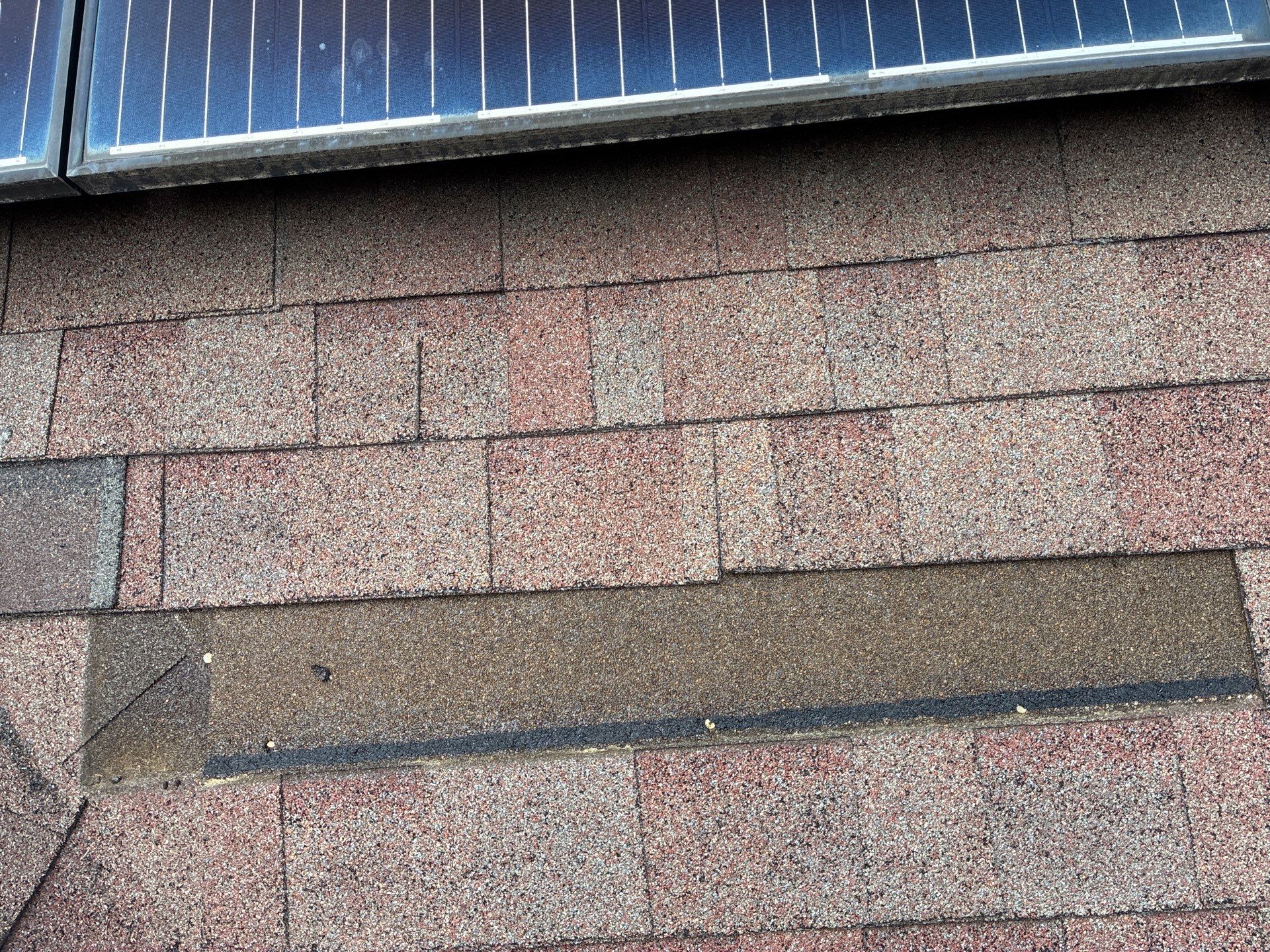
Aging Signs vs. Storm Damage: Why the Difference Matters
Aging damage shows up slowly and spreads evenly across the whole roof. Storm damage shows up fast, usually in one area, and often points toward the direction the wind came from. Knowing which one you're looking at tells you whether you're planning ahead or reacting now.
Two roofs can look equally rough from the driveway. One is just old. The other got hit last Thursday. Same ugly, very different story.
Aging is a slow leak of time. Shingles lose granules little by little, the asphalt dries out, and the edges start to curl. It happens across the whole roof at a steady pace. You'll see it on the south side first around here, because that slope takes the worst of the afternoon sun year after year.
Here's what age looks like up close:
- Even granule loss across most of the roof, not one patch
- Curled or cupped edges on shingles in multiple rows
- Brittle shingles that crack when flexed instead of bending
- Bald, shiny spots where the asphalt mat is exposed
- Gutter debris that's mostly fine black grit, collecting over months
Storm damage breaks the pattern. That's the tell. You'll find one section torn up while the rest of the roof looks fine. Wind lifts shingles along a ridge line or a rake edge, and hail leaves round bruises with no pattern at all, scattered like buckshot.
We see this mistake all the time. A homeowner calls about a leak, blames the age of the roof, and the real cause is three shingles that got lifted and never laid back down. The fix was small. The delay wasn't.
After a storm rolls through, walk the property and check in this order:
- Look in the yard and along the fence line for shingle pieces or full tabs.
- Check your gutters and downspout splash areas for a sudden pile of granules.
- Scan each roof slope from the ground for lifted corners or dark rectangles where a shingle is missing.
- Look at the ridge cap, it takes wind first and fails first.
- Check inside the attic for daylight or fresh water stains on the decking.
- Note the date and take photos, even if nothing looks urgent yet.
So why does the difference matter so much? Because it changes your timeline. Aging gives you room to plan. Storm damage is an open wound, and Georgia humidity gets into that decking fast.
There's a third possibility nobody talks about. Sometimes the shingles aren't failing at all, the water is backing up from clogged gutters and soaking the bottom two rows from underneath. We find that constantly around here, and it mimics age damage almost perfectly.
One last thing worth saying plainly. An old roof can survive a storm, and a young roof can lose shingles in the same wind. Age tells you what to expect. It doesn't tell you what happened.
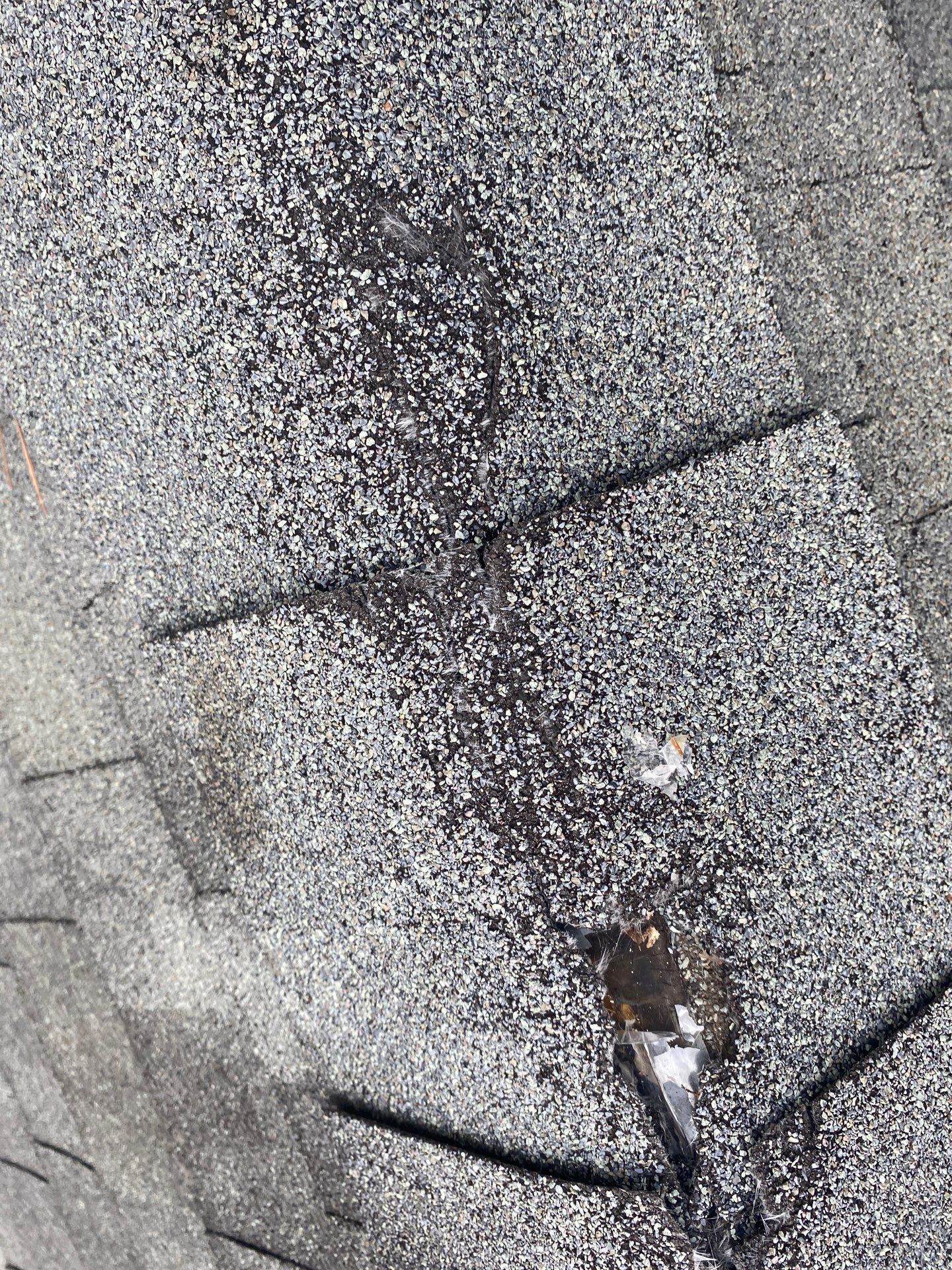
Visual Signs of a Failing Roof You Can Check From the Ground
You don't need a ladder to catch most shingle problems. You need ten minutes and a pair of eyes. Walk to the edge of your driveway, turn around, and really look at your roof.
Most people glance at their roof maybe twice a year. Usually after a storm. But shingles rarely fail overnight, they send signals for months before anything leaks inside.
Here's what to scan for from the ground.
- Curling or cupping edges. Shingle corners lift up and away from the deck. From the ground this looks like the roof surface has texture where it used to be flat.
- Bald patches or shiny spots. Granules protect the asphalt underneath. When they wash off, you'll see darker, almost glossy areas that catch sunlight differently.
- Missing shingles. Obvious gaps that show the underlayment or bare wood. After a windy night, this is the first thing to check.
- Sagging roof lines. Any dip or wave along the ridge or between rafters means moisture has already reached the decking.
- Dark streaks running down the slope. Usually algae, sometimes a sign of trapped moisture from poor drainage above.
- Granules piled in the gutters or at the base of downspouts. Looks like coarse black sand. This one tells you the clock is running.
That last one matters more than people think. We see granule buildup on almost every gutter cleaning visit in older neighborhoods, and homeowners are always surprised. They assumed it was dirt. It's their roof, breaking down one rinse at a time.
Want to know a fast trick? Check your roof in late afternoon light. Low sun angles throw shadows across every curl and lift. Midday sun flattens everything out and hides the damage.
A few weeks back we were on a two-story home. Owner called for a routine gutter cleaning, no complaints about the roof at all. Our crew photographed a section of shingles on the north slope that had lost nearly all their granules. Shaded side, constant moisture, zero sun to dry things out. She had no idea because you can't see the north slope from her driveway.
That's exactly why we take pictures on every visit.
You don't have to be home when we clean your gutters. We handle it, we document it, and you get photos of what we found up there. Slopes you can't see, valleys where debris collects, shingle edges starting to lift. It's the part of your roof you'd never check otherwise.
One more thing on safety. Do not climb up to verify what you think you're seeing. Roof surfaces with failing shingles are slick, the granule loss makes them behave like loose gravel underfoot. Ground-level inspection plus professional photos gets you the same information without the ER visit.
Found two or three signs on this list? That's not a maintenance issue anymore, that's a countdown.
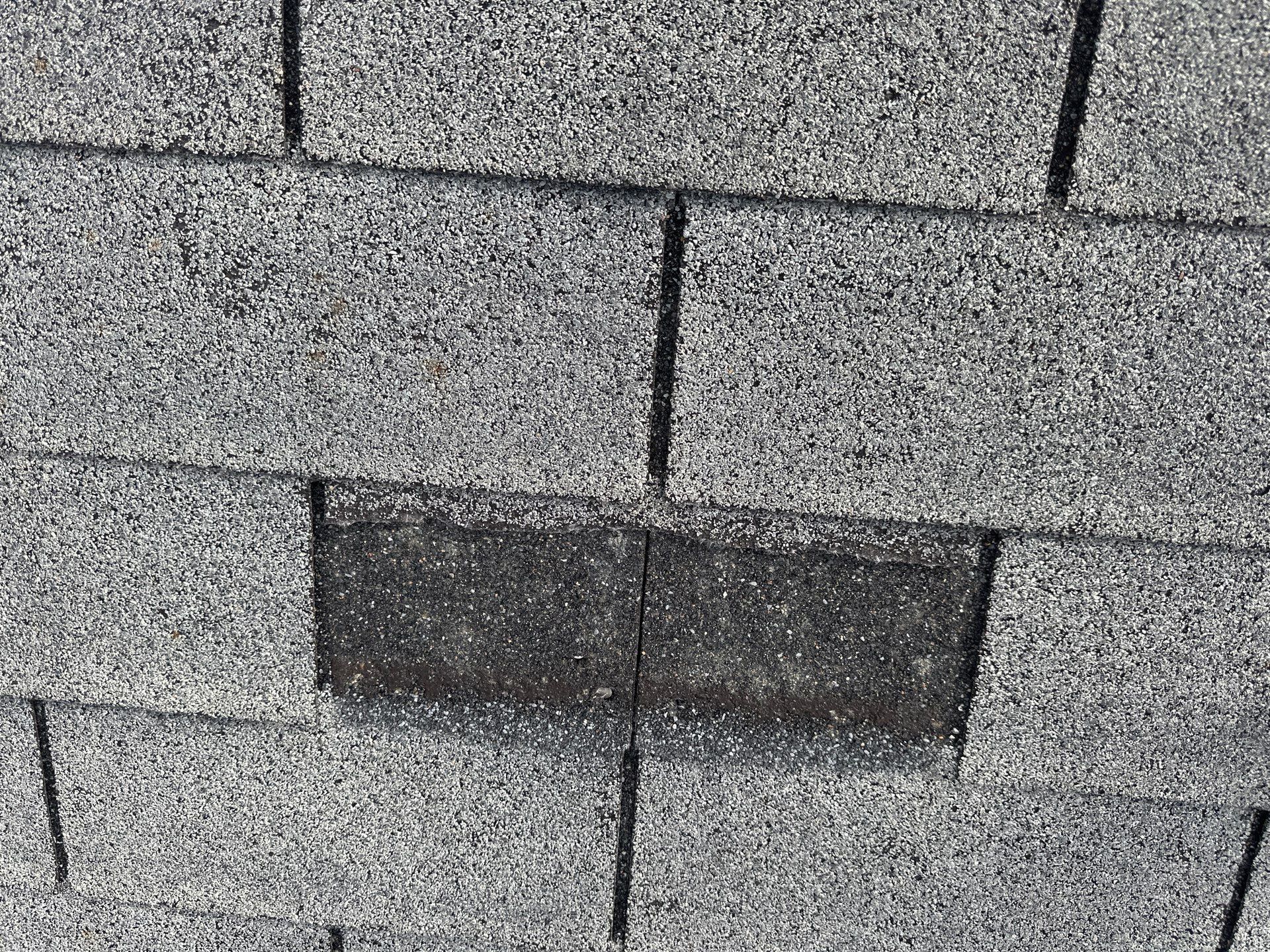
What to Check After a Storm
Storms here don't ask permission. This area sits under a mix of summer thunderstorms, heavy spring rain, and the occasional ice event that peels shingles right off the deck. And wind damage rarely looks dramatic from the street. That's the problem. Most failing shingles we find after a storm were failing quietly for months, the storm just finished the job.
You don't need a ladder to start. You need about ten minutes and a phone camera.
- Walk the full perimeter of your home and look up at each roof slope from the ground.
- Scan the yard, driveway, and shrubs for shingle pieces or dark granule piles.
- Check your downspout outlets for a gritty black sludge, that's shingle granules washing off.
- Look at the roof edge and ridge line for shingles that lift, curl, or sit crooked.
- Check flashing spots around chimneys, skylights, and vent pipes for gaps or lifted metal.
- Go into the attic with a flashlight and look for wet sheathing, dark stains, or daylight.
- Photograph everything you see, dated photos matter later.
That attic step is the one people skip. But it's the fastest honest answer you'll get. Water that gets past a shingle shows up on the underside of the deck long before it stains a ceiling.
We see this mistake all the time in older neighborhoods with mature oaks. A limb brushes the roof during a storm and scrapes a path across three or four courses of shingles. No hole. No leak that day. Just bare asphalt where the granules used to be. Six months of Georgia sun later, that strip cooks and cracks, and now you've got a real problem.
Tree contact is worth checking every single time.
- Branches resting on or hanging directly over the roof surface
- Fresh scrape marks or a clean line where granules are missing
- Piles of leaves and twigs sitting in valleys or against the ridge
- Gutters holding storm debris and standing water at the roof edge
Clogged gutters after a storm do real damage fast. Water backs up under the bottom row of shingles and soaks the fascia. So if your gutters overflowed during the storm, that's not a minor cosmetic thing, that's an active threat to the edge of your roof system.
Here's how we handle it. For gutter cleaning, you don't need to be home. We show up, clear the system, flush the downspouts, and send you photos of everything, before and after. Pictures are part of every visit we make, no exceptions. You'll see exactly what came out and exactly what your roof edge looks like.
Estimates work differently. For those, we need you there. Not to sell you anything, but because the right fix depends on your roof, your trees, and your budget. That conversation only works face to face.
Looking for the service itself?
This guide covers the decision. The Shingle Repair page covers what the visit includes and how to book it.
SEE SHINGLE REPAIRTrusted by Homeowners
Licensed and insured. Real prices before we start. Before and after photos with every invoice.
Frequently Asked Questions
How can I tell if my shingles are failing from age or from a recent storm?
Aging damage spreads evenly across the whole roof, while storm damage shows up fast in one spot. Aging causes gradual granule loss, curling edges, and brittleness over the entire surface. Storm damage looks like a torn patch, lifted shingles along a ridge, or scattered hail bruises. If one section looks worse than the rest, that points to wind or hail, not age. Knowing the difference helps you decide if you can plan ahead or need to act now.
Can I check my roof for damage without climbing up on it?
Yes, you can spot most warning signs from the ground with just a few minutes and good lighting. Look for curling edges, bald or shiny patches, missing shingles, sagging rooflines, and granules piled in your gutters. Late afternoon sun works best because low angles cast shadows that reveal curls and lifts. Climbing onto a roof with failing shingles is risky since granule loss makes the surface slippery. Ground-level checks plus professional photos give you the same information more safely.
Why do granules in my gutters mean my shingles are wearing out?
Granules protect the asphalt layer underneath your shingles, and losing them means that protection is breaking down. When you see coarse black grit collecting in your gutters or at the base of downspouts, that's your roof shedding its protective coating. A little bit over many years is normal. A sudden pile after one storm is not. This sign often gets ignored because homeowners mistake it for regular dirt.
Does the direction my roof faces matter for shingle wear?
Yes, the south-facing slope tends to wear out first because it takes the most direct afternoon sun year after year. That constant heat dries out the asphalt and speeds up granule loss on that side. North-facing slopes wear differently, staying shaded and holding moisture longer, which can cause algae streaks or hidden granule loss. Since you can't always see every slope from your driveway, a professional inspection with photos helps you catch problems on sides you never check.
What's a common mistake homeowners make when a roof starts leaking?
A common mistake is blaming an old roof for a leak when the real cause is something smaller, like a few lifted shingles that never laid back down. This happens often after windstorms. The fix for lifted shingles is usually quick, but waiting to check delays that fix and lets moisture soak into the decking. If you notice a leak, don't assume age is the reason. Getting the exact cause identified matters more than guessing.
How do I know if it's time to get my roof professionally inspected?
If you spot two or three warning signs like curling edges, bald patches, or granule buildup, it's time to move past casual monitoring. These signs together usually mean the roof has been declining for a while, not just one bad week. A professional inspection catches problems on slopes and valleys you can't see from the ground. For a closer look at what a full roof inspection covers and how it protects your home, check out our roof inspection services.
Still Not Sure What You're Looking At?
Send us a photo or book a visit. We'll tell you what it is before anyone quotes a price.
BOOK NOW (opens in a new tab)Or call (404) 994-3494

Metro Atlanta's dedicated gutter specialists. Cleaning, repair, replacement, downspouts, drainage and soffit work, done right the first time with photo proof on every job.
Gutter Services
Drainage & Roofline
© 2026 Shelter Guard Gutter Cleaning and Repair. All Rights Reserved.