No clogged gutters. Cleaned in 24 hours or less.
Home Guides Roof Repair or Full Shingle Replacement?
Shingle Repair
Roof Repair or Full Shingle Replacement? What Homeowners Should Check First
Missing or curled shingles are a symptom, not the diagnosis.
Why Visible Shingle Damage Doesn't Tell the Whole Story
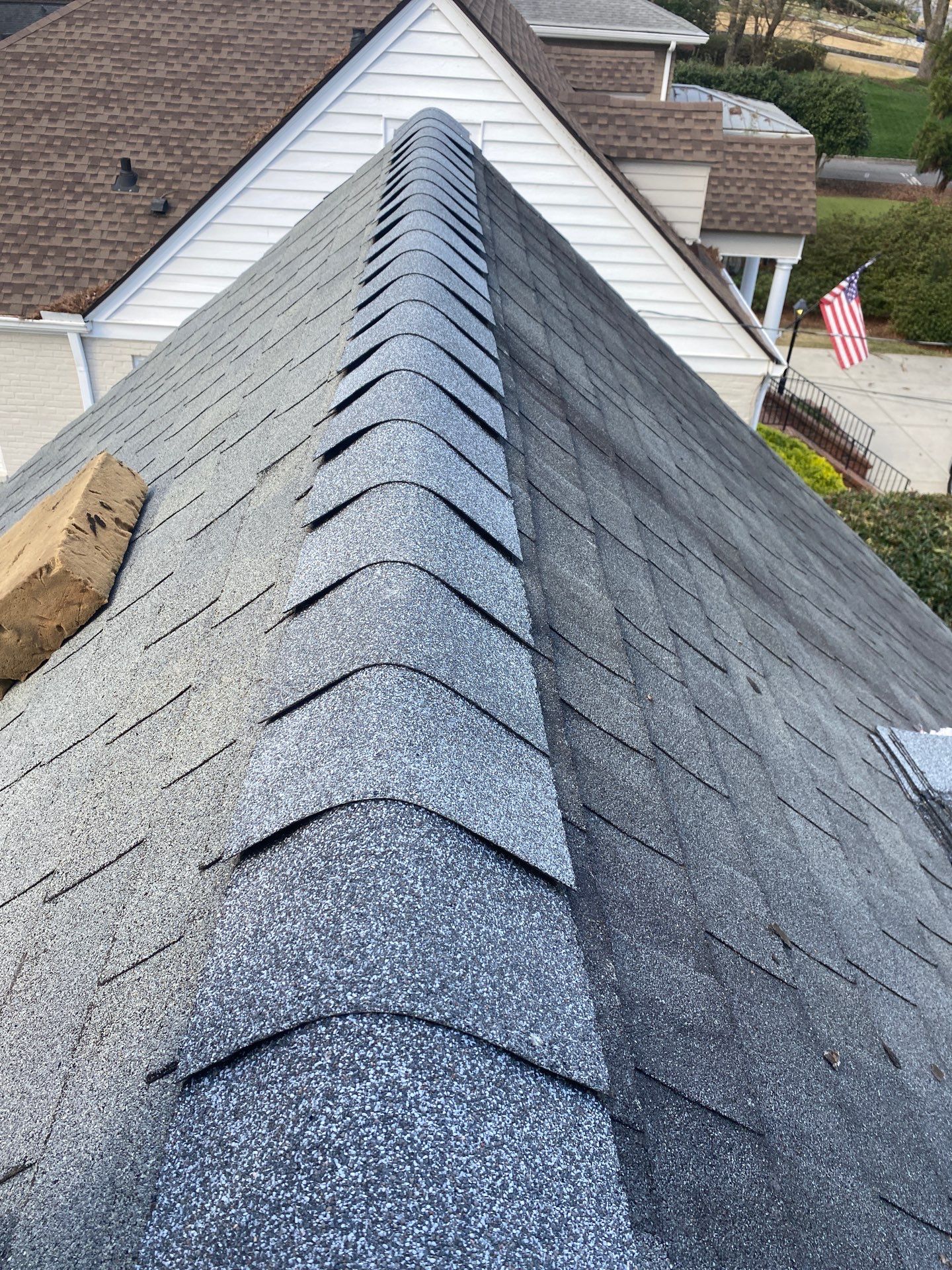
Missing or curled shingles are a symptom, not the diagnosis. The real decision between repair and shingle replacement comes from what sits under the shingles: the decking, the underlayment, and the fascia line. Until someone gets up there and photographs it, you're guessing.
Most people start here: they walk the driveway, look up, and count the bad spots. Three shingles missing after a storm. A dark streak near the valley. Then they figure a patch will handle it.
Sometimes it will. Often it won't.
A shingle is the outer layer of a system. Under it sits underlayment, then wood decking, then your framing. Water doesn't stop at the shingle. It finds the seam, runs sideways along the decking, and shows up somewhere you'd never look. This is a common mistake we see often: a homeowner fixes the visible damage and the leak keeps going because the water was traveling six feet before it dripped.
So what does an actual inspection look at? Not just the shingles.
- Decking feel: soft, spongy plywood under foot means water sat there for months, not days.
- Underlayment condition: torn or brittle paper under the shingles leaves the wood exposed even after new shingles go down.
- Valleys and flashing: where two roof planes meet is where most leaks start.
- Fascia and soffit line: rotted fascia behind the gutter usually means the roof edge has been wet for a long time.
- Granule loss: bare, shiny patches on shingles mean the protective layer is gone across the whole slope, not one section.
That last one matters more than people expect. If granules are washing out across a full slope, patching one corner buys you a season. Maybe. The rest of the slope is aging at the same rate.
Here's a scenario we run into more than once a year. A homeowner calls about a gutter that's pulling away from the house. We get up there and the gutter isn't the problem at all, the fascia board behind it has gone soft. Water was coming off the roof edge, past a failed shingle course, and soaking the wood from behind. Fix the gutter and it sags again in eight months. Fix the shingle edge and the fascia, and it holds.
This is why we photograph everything. Every visit includes pictures, because you shouldn't have to take our word for what's happening twenty feet above your head. You get to see the soft decking, the exposed nail heads, the rot line on the fascia.
Our Georgia weather doesn't help. Heat cycles bake the asphalt, then heavy summer rain hits the weakened spots, and pine debris from the older tree canopy around here holds moisture right against the shingle surface. A roof here ages differently than one in a dry climate.
One important difference in how we work: gutter cleaning visits don't require you to be home. We clear it, photograph it, and send you the results. But an estimate is different. For an estimate on shingle replacement or repair, we need you there. We want to walk you through the photos, show you what we found, and talk through solutions that fit your house and your timeline. That conversation can't happen over a voicemail.
Signs a Repair Will Likely Fix the Problem
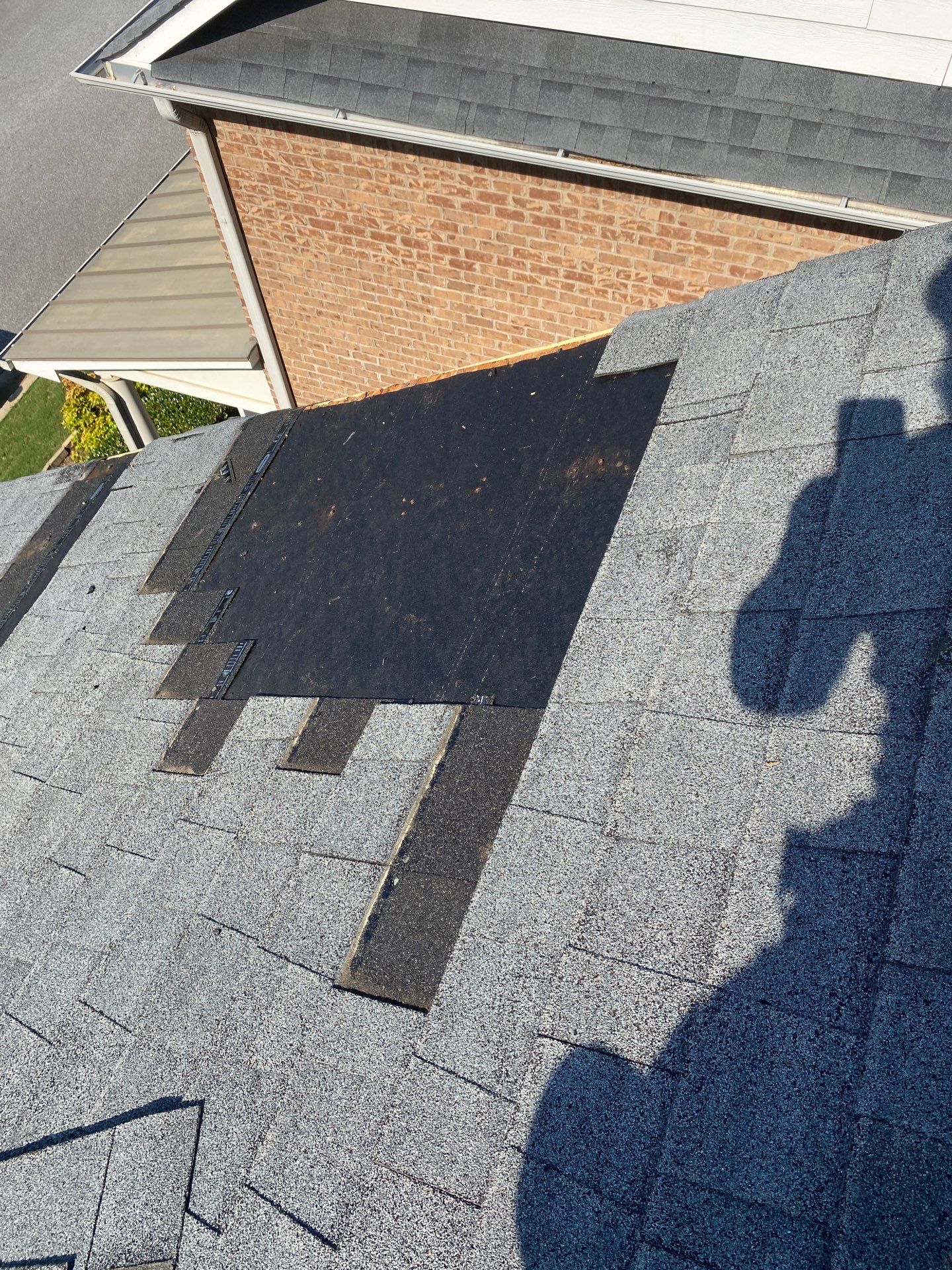
Most roof problems we get called about are smaller than the homeowner feared. That's the good news. Damage that stays in one spot, on a roof that's still in decent shape overall, usually points to a shingle replacement on that section only.
The key word there is contained. One area. One cause. Everything else on the roof still doing its job.
Here's what tells us a targeted shingle replacement will hold up. These are the signs we look for when we're up on the roof with a camera in hand.
- Damage in one clear zone. A wind gust peeled back eight shingles near the ridge, but the rest of the field looks tight and flat.
- A single leak with an obvious source. Water shows up in one spot inside, and there's a cracked shingle or lifted flashing directly above it.
- Fresh storm damage on a younger roof. Your shingles are under twelve years old and still have their granules everywhere else.
- Missing shingles after a storm, not scattered bald patches. Wind takes shingles off. Age makes them crumble in place. Those look different.
- Damage tied to something else on the house. A loose gutter, a rotted fascia board, or a tree limb that scraped one section.
That last one matters more than people expect. We find plenty of roofs where the shingles are fine, but the edge is failing because water backed up behind a clogged gutter. Fix the drainage and the roof edge stops taking abuse. Fix only the shingles and you'll be back in the same spot next spring.
This is a pattern we run into often.
A homeowner called us about a stain on her ceiling. She'd already priced out a full roof. We got up there and found three cracked shingles right where a downspout was dumping water onto the roof plane below. Shingle replacement on that small section, downspout rerouted, done. The rest of her roof had years left.
Age is the biggest filter. A roof under fifteen years old with localized damage is almost always a repair situation. The shingles around the damaged area still have their sealant strips holding. New shingles will bond to them. But on a twenty-year-old roof, the surrounding shingles are brittle. Walking on them to make the fix can cause more damage than you started with.
The weather here does a specific kind of harm. Hot summers cook the shingles, then a fast-moving storm rolls through and lifts the weakest ones. So we often see damage clustered on the south and west slopes where the sun hits hardest. If that's your pattern and the north side looks clean, you're likely looking at shingle replacement in one zone.
One more sign worth checking. Look at your downspout outlets after a rain. Heavy granule buildup means the shingle surface is wearing off across the whole roof, that's a full-roof signal. A light sprinkle of granules is normal and nothing to panic about.
Signs You May Be Looking at a Full Replacement
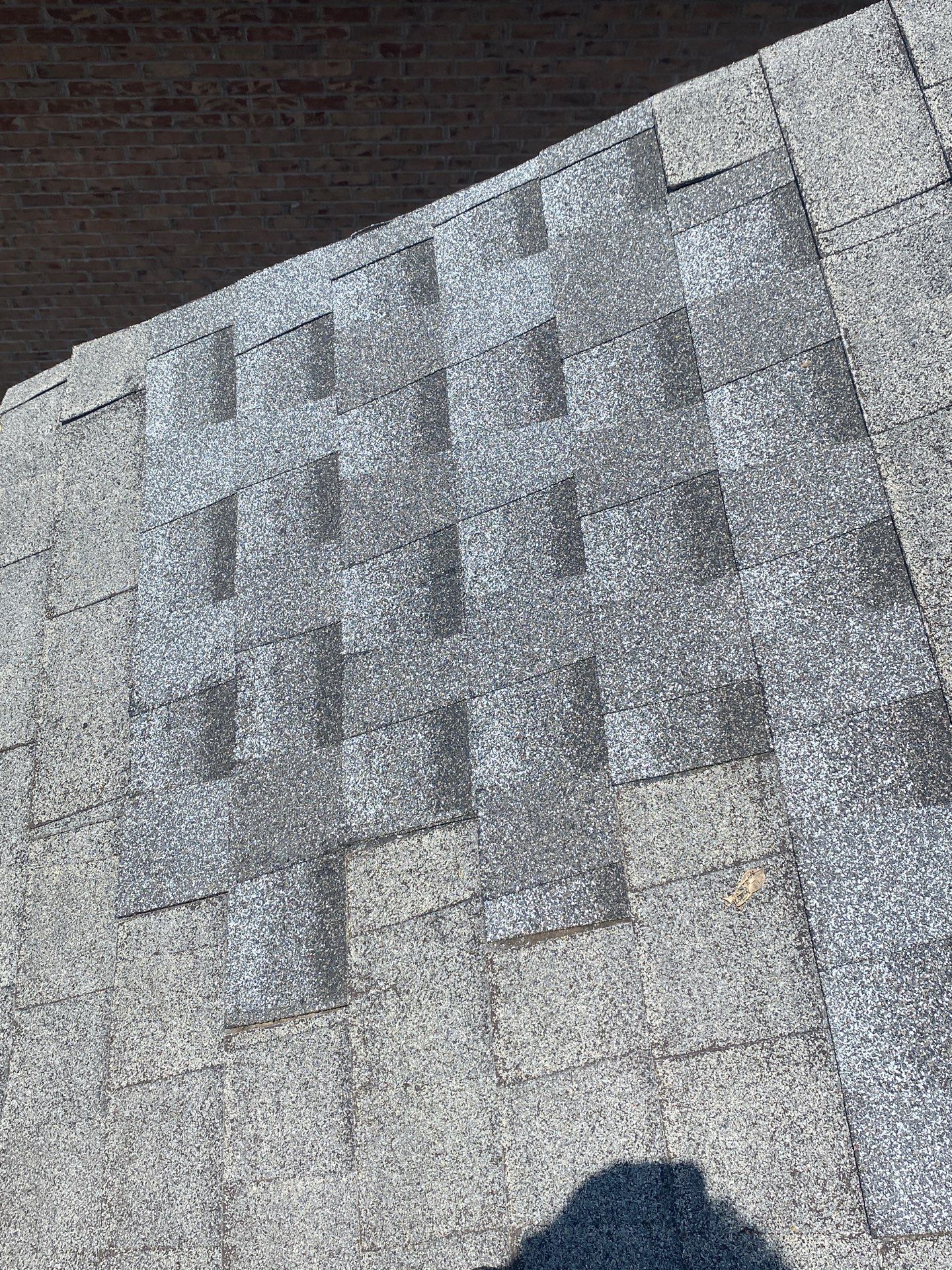
Some roofs tell you the truth before anyone knocks on your door. A repair patches one weak spot. Full shingle replacement makes sense when the damage isn't in one spot anymore, it's spread across the whole surface. And that's a very different conversation.
This is another pattern worth watching for: a homeowner keeps buying small fixes on a roof that lost its fight years ago. Three repairs in two seasons isn't bad luck. It's a warning sign.
Here's what we look for when we suspect the whole roof is done, not just one slope.
- Granules everywhere. Your gutters and downspouts fill with what looks like coarse black sand. Those granules are the shingle's sunscreen. Once they wash off across the whole roof, the asphalt underneath bakes and cracks.
- Curling or clawing edges. Shingle corners lift and cup upward. When you see it on one or two, that's a repair. When you see it across an entire slope, the mat has shrunk and it won't lie flat again.
- Bald or cracked shingles in multiple areas. Not one damaged row from a fallen limb. Scattered failure on the south and west faces, where the Georgia sun hits hardest.
- Sagging roof lines or a soft, spongy deck. That means moisture got past the shingles and into the wood. Patching over a rotted deck just hides the problem.
- Daylight through the attic boards. Take a flashlight up there on a bright afternoon. Pinholes of light mean gaps, and gaps mean water.
- Age plus symptoms together. Most architectural asphalt shingles in our climate run a couple of decades. Age alone isn't a verdict. Age plus granule loss plus curling usually is.
Two or three of those together? You're likely past the repair window.
Here's a scenario we ran into last fall. A homeowner called about a small ceiling stain in a back bedroom. She figured one bad shingle. When we got on the roof, the stain was the only leak, but the granule loss on that entire rear slope was severe. The shingles cracked when we lifted them. Patching one section on a surface that brittle just moves the next leak three feet over.
That's the part most people don't realize until it's too late. Old shingles are hard to work around without breaking their neighbors.
There's a gutter side to this too. Constant granule buildup clogs the trough and starves the downspouts. Water backs up, spills over the fascia, and rots the wood behind it. So a worn-out roof quietly becomes a drainage problem, then a soffit and fascia problem. We flag that chain of damage before it gets expensive.
One more thing on access. For gutter cleaning, you don't need to be home. We work, we document, and photos are always part of the visit. But for a shingle replacement estimate, we need you there. We want to walk you through what we saw and talk through options that fit your house and your timeline.
Looking for the service itself?
This guide covers the decision. The Shingle Repair page covers what the visit includes and how to book it.
SEE SHINGLE REPAIRTrusted by Homeowners
Licensed and insured. Real prices before we start. Before and after photos with every invoice.
Frequently Asked Questions
How do I know if my roof needs a full shingle replacement instead of a repair?
You likely need a full replacement if damage shows up across the whole roof, not just one spot. Bare, shiny patches from granule loss, soft decking in several areas, or a roof over fifteen years old are signs the whole system is wearing out together. A single bad patch on a younger roof usually points to a repair. The clearest answer comes from an inspection that checks the decking and underlayment, not just what you can see from the driveway.
What does it mean if my roof is leaking but I can't find missing shingles?
It means the water is probably traveling before it shows up inside your house. Water often runs sideways along the decking or underlayment before dripping through your ceiling, so the leak location and the actual damage can be several feet apart. This is one of the most common mistakes homeowners make when trying to diagnose a leak on their own. An inspection with photos of the decking and valleys shows exactly where the water is entering and how far it's moved.
Does the weather here make roof damage worse than in other areas?
Yes, the mix of hot summers and heavy storms we get speeds up shingle wear. Heat bakes the asphalt, then fast-moving summer storms hit the weakened spots, often on south and west-facing slopes that get the most sun. Pine debris from the older tree canopy in the area also holds moisture against the shingle surface longer than a clear roof would. This combination is why local roofs often show damage patterns that a general repair guide won't explain.
What's the difference between storm damage and normal shingle aging?
Storm damage tends to look sudden and uneven, like missing shingles in one zone or a fresh tear near the ridge. Normal aging looks gradual and spread out, with granules washing off across the whole slope and shingles going brittle or curling everywhere at once. A roof under twelve years old with a wind-related gap is usually a repair. A roof past fifteen years with granule loss everywhere is usually heading toward full shingle replacement.
Can a bad gutter or fascia board be mistaken for a shingle problem?
Yes, this happens often. A sagging gutter or soft fascia board can look like the main issue, when the real cause is a failed shingle edge letting water run behind the gutter line. Fixing the gutter alone won't stop the problem if the shingle edge above it is still letting water through. That's why a proper inspection checks the fascia, the roof edge, and the shingles together instead of treating them as separate issues.
How can I tell if my roof damage is contained to one section or spread across the whole roof?
Walk your yard after a rain and check where granules collect near your downspouts. Heavy granule buildup at every downspout usually means the whole roof surface is aging at the same rate, not just one section. If only one downspout shows buildup, the damage is likely contained. For a clear answer, our team photographs your decking, valleys, and full roof slope so you can see exactly what's contained and what's spreading before deciding between repair or shingle replacement.
Still Not Sure What You're Looking At?
Send us a photo or book a visit. We'll tell you what it is before anyone quotes a price.
BOOK NOW (opens in a new tab)Or call (404) 994-3494

Metro Atlanta's dedicated gutter specialists. Cleaning, repair, replacement, downspouts, drainage and soffit work, done right the first time with photo proof on every job.
Gutter Services
Drainage & Roofline
© 2026 Shelter Guard Gutter Cleaning and Repair. All Rights Reserved.