No clogged gutters. Cleaned in 24 hours or less.
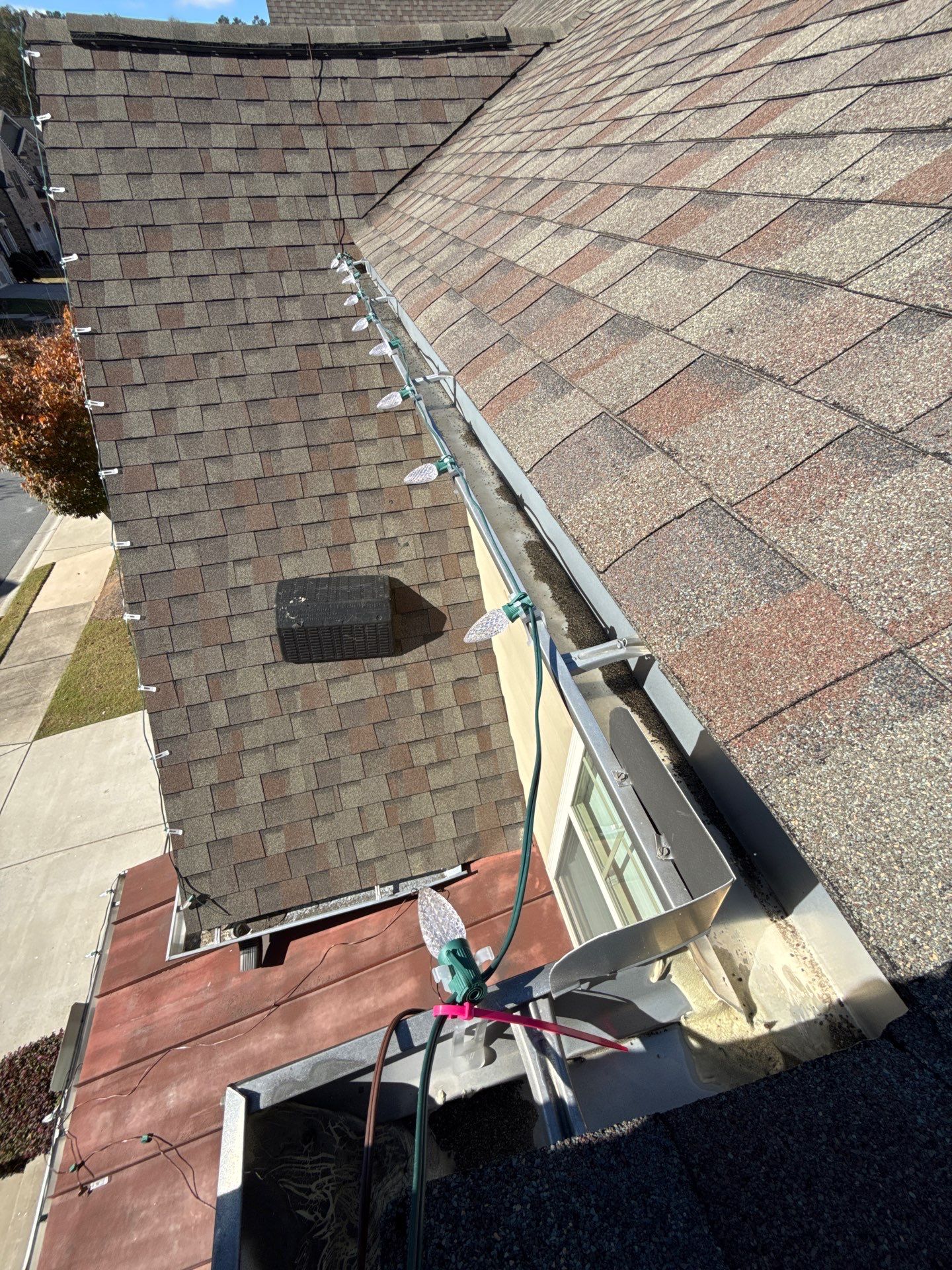
Home Guides Why Older Homes Need a Different Holiday Light Setup Than New Builds
Christmas Lights Installation
Why Older Homes Need a Different Holiday Light Setup Than New Builds
Most homes built before the 1970s were wired for a few outlets and little else, so bedrooms and living rooms often skipped ceiling fixtures entirely.
Why Many Older Homes Don't Have Ceiling Lights
Most homes built before the 1970s were wired for a few outlets and little else, so bedrooms and living rooms often skipped ceiling fixtures entirely. Builders expected people to plug in floor lamps and table lamps instead. That single design choice is the biggest reason older houses feel darker than newer ones.
Walk into a 1940s bungalow and look up. Nothing there. No fixture, no junction box, just ceiling. That's not a mistake and it's not damage. It's exactly how the house was built.
Why do older homes need different light setups than newer builds? The wiring plan behind the walls was drawn for a different way of living. Electricity was newer and more expensive. Builders ran the bare minimum. A ceiling fixture meant extra wire, an extra box, and an extra switch. In a bedroom, that felt like a luxury nobody needed.
So they wired a switched outlet instead.
You've probably got one and never noticed. Flip the wall switch by your bedroom door and one half of an outlet turns on. That was the ceiling light. A lamp plugged into it did the job.
Here's what was driving those choices back then:
- Cost of copper wire, which was a real line item on a small house budget
- Knob-and-tube wiring, which didn't handle branching circuits the way modern wire does
- No ground wire, so fixtures with metal housings were riskier to mount overhead
- Plaster and lath ceilings, which were a pain to cut into and patch
- Lamps were the style, and every furniture catalog pushed them hard
Add all that up and skipping the ceiling light made sense at the time. It just doesn't make sense now.
Newer builds flipped the whole approach. Code got stricter, wire got cheaper, and buyers started expecting overhead light in every room. Recessed cans went in during framing, before drywall. Easy. In an older home, adding that same light means fishing wire through finished walls, working around old framing, and patching afterward. Same result, way more work.
And here's the part most people don't realize until they're already frustrated. The ceiling isn't the only limit. Older circuits were sized for a handful of low-draw items. Load one up with modern lighting plus everything else you plug in, and you'll trip breakers.
We see homeowners around here hit this wall constantly. They buy a beautiful fixture, get up on the ladder, and find no box to mount it to. Now it's a bigger project than they planned for.
There's an upside, though. Older homes often have taller ceilings and better-placed windows than a lot of newer construction. You've got more room to work with vertically. A well-placed wall sconce or a layered lamp setup can look better than a grid of recessed cans ever would.
The trick is knowing what your house can handle before you start. That means understanding your wiring age, your ceiling construction, and your circuit capacity. Guess wrong and you're patching plaster at midnight.
Know what you're working with first. Then the lighting plan almost writes itself.
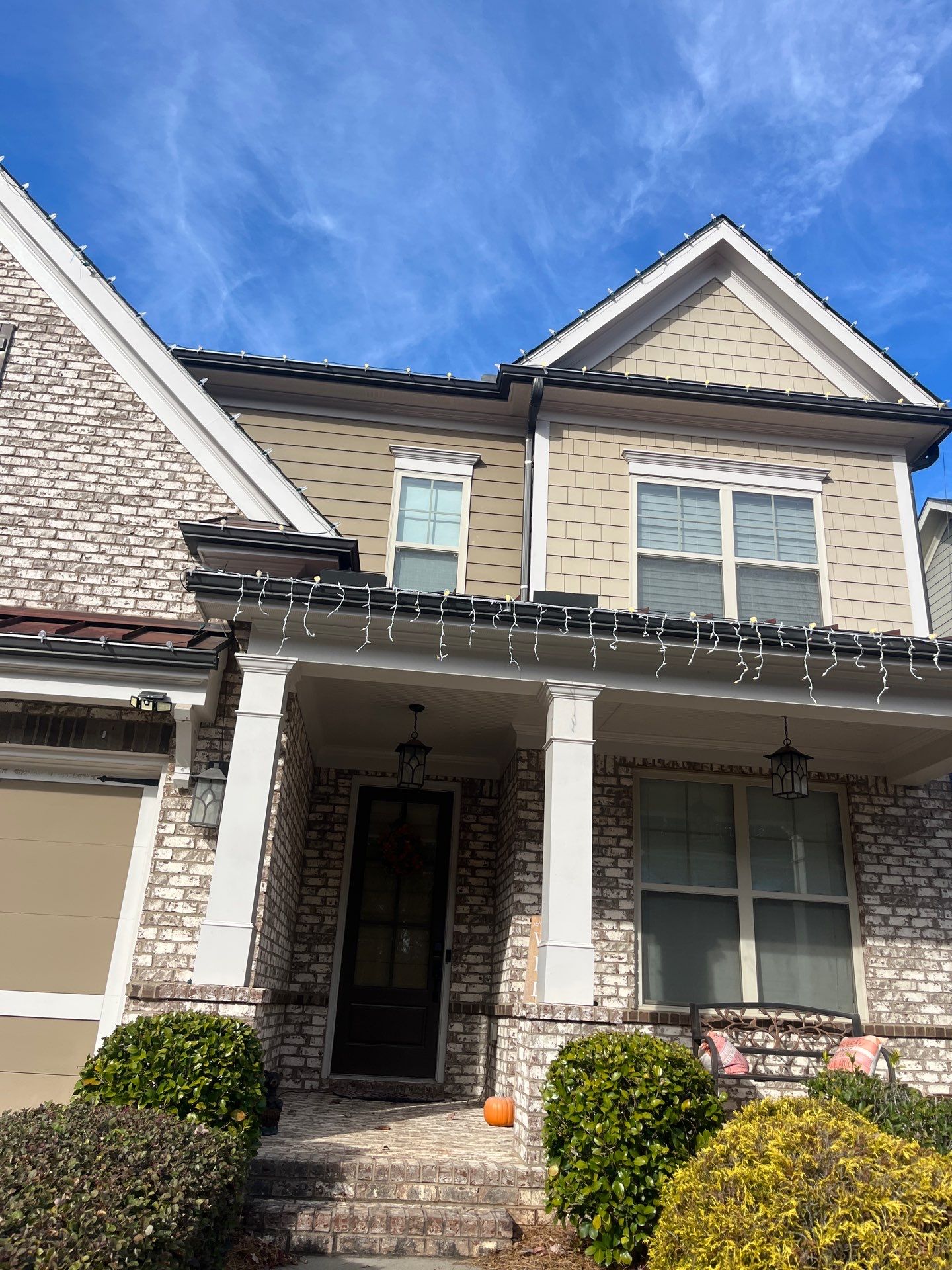
How Old Wiring and Circuit Capacity Shape Lighting Options
Electrical capacity is the real reason a lot of these houses feel different to wire for the holidays. A house built in the 1950s wasn't wired for holiday displays. It was wired for a lamp, a radio, and maybe a window fan. Newer builds in the area often come with exterior outlets on their own dedicated circuits, plus GFCI protection right at the box.
So when you plug 400 feet of lights into one old porch outlet and overload the circuit, something has to give.
We see this every December. A homeowner runs the same display they ran last year, and the breaker keeps tripping. They assume the lights are bad. Usually the lights are fine, the circuit just can't carry the load.
Here's what typically limits an older home's light setup:
- Shared circuits, where one exterior outlet also feeds indoor rooms
- Two-prong outlets with no ground path, common in pre-1960s wiring
- No GFCI protection outdoors, which matters a lot in wet Georgia winters
- Fewer exterior outlets overall, forcing long extension cord runs
- Aging aluminum or cloth-wrapped wiring that heats up under steady load
Newer builds solve most of that at the framing stage. Older homes need the display designed around the wiring instead.
That changes how we plan. On a 1940s bungalow, we split a roofline display across three separate circuits and pulled from two sides of the house. Same look, half the electrical stress. The homeowner never tripped a breaker all season. On a newer build a mile away, one outlet handled the entire front of the house.
Want to know your home's real capacity before you buy a single strand? Walk it in this order.
- Find every exterior outlet and note whether it's two-prong or three-prong.
- Press the test button on any GFCI outlet to confirm it still trips and resets.
- Open your panel and look for a labeled exterior or porch circuit.
- Add up the wattage of the lights you want to hang, then keep each circuit under 80 percent of its rated load.
- Split the display across multiple circuits if the total pushes past that line.
Most people don't realize this until a breaker pops on the first cold night. And cold matters. Moisture gets into old outlet boxes, corrosion builds, and a circuit that worked in October fails in December.
LED strands changed the math in a good way. They pull a fraction of what old incandescent bulbs pulled, so an older home can often run a full roofline on a single well-protected circuit. That's usually the fix we recommend first for homes with original wiring. Less heat, less load, less risk to brittle old conductors.
But capacity isn't the only variable. Mounting surfaces matter too, and old fascia behaves nothing like new fascia.
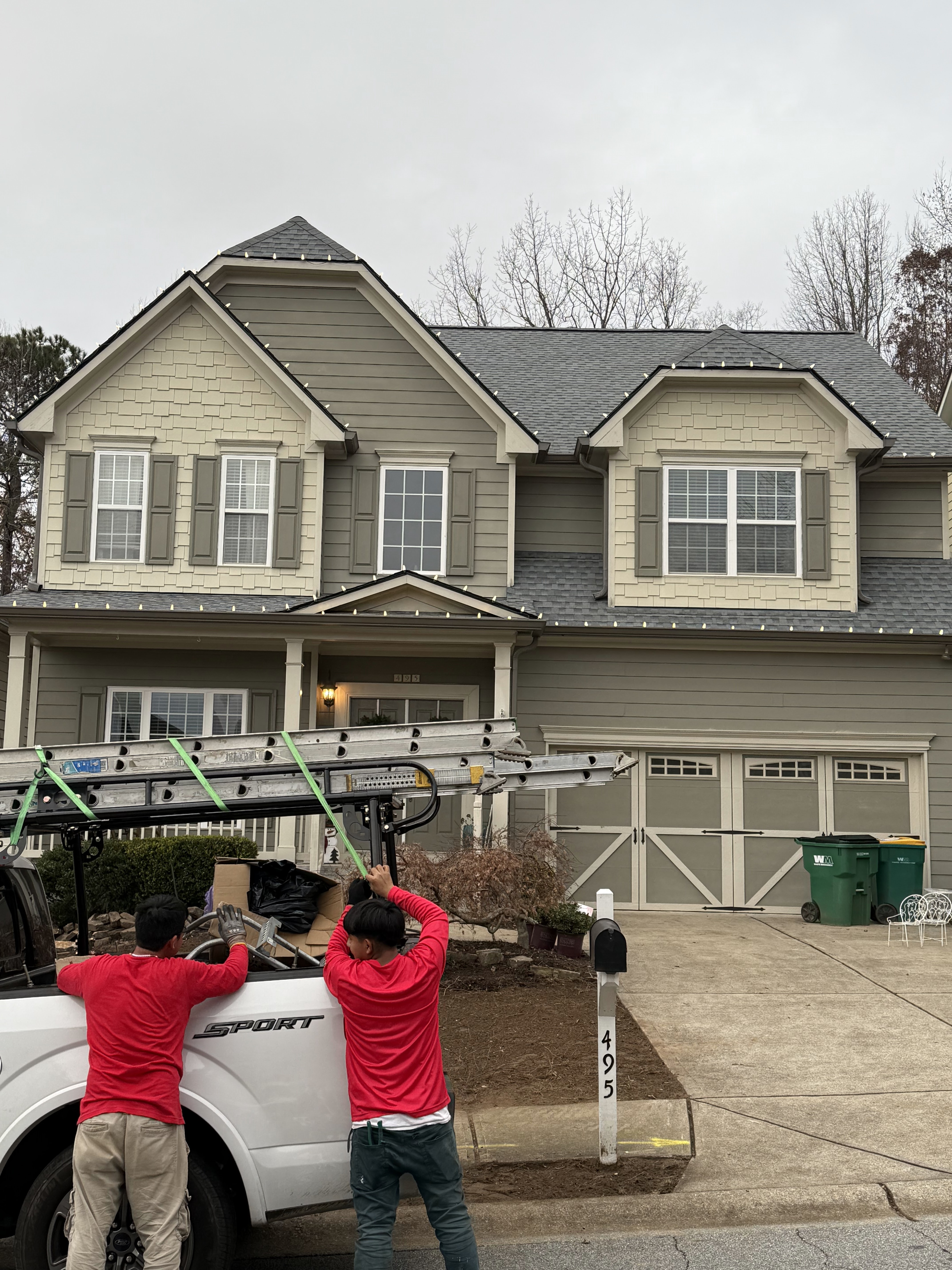
What Newer Homes Assume About Lighting That Older Homes Don't
Builders of newer homes plan for decoration. Not always on purpose, but it happens anyway. Straight rooflines, evenly spaced outlets, fascia boards cut to a consistent depth, soffits that sit flush. The honest answer starts with what the builder assumed. New construction assumes uniformity. Older homes around here were never built to that standard.
Here's what that looks like in practice. A 2015 build has one roofline pitch, maybe two. Clips snap on, the run stays straight, the spacing holds. A 1948 bungalow has a porch roof, a dormer, a side addition from the seventies, and three different fascia depths on the same house.
Same string of lights. Completely different job.
Most people don't realize this until they're standing on a ladder in December with a bag of clips that won't grip. The clip isn't broken. It was designed for a fascia board that doesn't exist on your house.
These are the assumptions baked into standard light kits and standard install plans:
- Fascia boards are a uniform depth across the whole roofline, so one clip size works everywhere
- Gutters are securely attached and can carry the weight of a full light run
- Exterior outlets sit near the front of the house and can handle the load
- Roof pitch stays consistent, so spacing and sag look even from the street
- Soffits are solid and sealed, giving clips something firm to bite into
Every one of those can fail on an older home. And they usually fail together.
Take the gutter assumption. On a newer build, the gutter was hung a few years ago with modern hidden hangers. It'll hold. On an older home, that same gutter may have been rehung twice, maybe with spike-and-ferrule hardware that's already working loose. Hang forty feet of lights off it and you're not decorating anymore. You're load testing.
We see this every season. A homeowner clips lights to a gutter section that was already pulling away, and the first cold rain finishes the job. Now there's a sagging gutter, water dumping against the foundation, and a light run lying in the shrubs.
The power assumption trips people up too. Older homes in the area often have one exterior outlet, and it's usually on the back porch. So the run has to be planned around where power is, not where the lights look best. That's a design decision, not an afterthought.
Wood matters as well. Newer builds frequently use composite or aluminum-wrapped fascia. Older homes have real wood, and wood that's been through sixty Georgia summers holds moisture differently. A clip that bites into soft, rotted fascia doesn't hold, and it opens a path for water.
So the older home isn't harder because it's old. It's harder because every surface tells a different story, and the standard plan only knows one.
Looking for the service itself?
This guide covers the decision. The Christmas Lights Installation page covers what the visit includes and how to book it.
SEE CHRISTMAS LIGHTS INSTALLATIONTrusted by Homeowners
Licensed and insured. Real prices before we start. Before and after photos with every invoice.
Frequently Asked Questions
How do I know if my home is missing ceiling boxes before I start a lighting project?
Check your bedroom and living room ceilings for any fixture or junction box before buying new lights. If you find a wall switch that only turns on half an outlet, your home was likely built without ceiling wiring. This is common in homes built before the 1970s. Knowing this ahead of time saves you from climbing a ladder and finding nothing to mount your fixture to.
What's the difference between how old and new homes handle holiday light circuits?
Newer homes usually have dedicated, GFCI-protected exterior outlets built for heavy loads. Older homes often share one outlet between indoor and outdoor circuits, with no ground path. This means an old porch outlet can overload fast when you plug in a full holiday display. Splitting your lights across multiple circuits, like we do on older bungalows, keeps breakers from tripping all season.
When should I call a professional instead of adding lights myself?
Call a professional once you're dealing with knob-and-tube wiring, missing ceiling boxes, or repeated breaker trips. These signs mean your home's electrical system needs a real plan, not guesswork. DIY works fine for simple lamp swaps or LED strand upgrades. But cutting into plaster ceilings or rewiring old circuits can create bigger problems fast. A local lighting setup guide can help you figure out which situation you're in.
Is it a mistake to assume older homes can't have great lighting?
Yes, that's a common misconception. Older homes around here often have taller ceilings and better window placement than newer builds. This gives you more room for layered lamps, wall sconces, and creative fixture placement. The real issue isn't the house's potential, it's outdated wiring and missing ceiling boxes. Once you understand your home's electrical limits, you can design a setup that looks better than a standard grid of recessed cans.
Why does cold weather make old wiring problems worse?
Cold and moisture cause old outlet boxes to corrode, which weakens connections that worked fine earlier in the year. A circuit that handled your display in October can fail once Georgia's wet winter sets in. This is especially true for two-prong outlets without GFCI protection. Testing your outlets and breakers before the holiday season helps you catch these issues early instead of losing power on a cold night.
Do LED holiday lights really make a difference in older homes?
Yes, LED lights pull much less power than old incandescent strands, which matters a lot for older wiring. A full roofline display that once needed multiple circuits can often run safely on one well-protected circuit with LEDs. This reduces heat and stress on brittle old conductors common in pre-1960s homes. Switching to LED is usually the first fix we recommend before touching anything else in the electrical plan.
Still Not Sure What You're Looking At?
Send us a photo or book a visit. We'll tell you what it is before anyone quotes a price.
BOOK NOW (opens in a new tab)Or call (404) 994-3494

Metro Atlanta's dedicated gutter specialists. Cleaning, repair, replacement, downspouts, drainage and soffit work, done right the first time with photo proof on every job.
Gutter Services
Drainage & Roofline
© 2026 Shelter Guard Gutter Cleaning and Repair. All Rights Reserved.