No clogged gutters. Cleaned in 24 hours or less.
Home Guides How Long Does a Full Gutter Installation Take?
Gutter Installation
How Long Does a Full Gutter Installation Take?
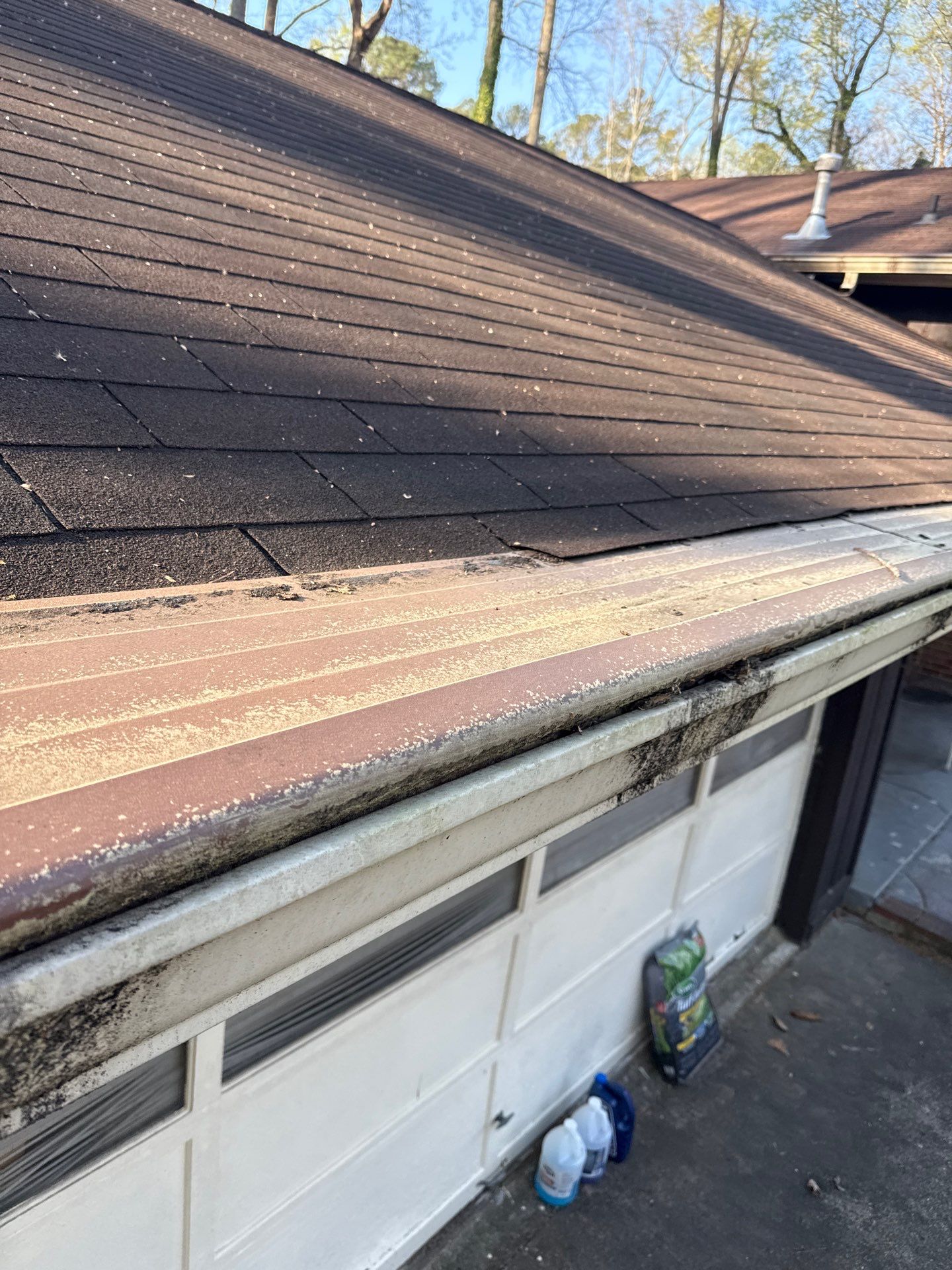
Most homes finish a full gutter installation in one day, sometimes stretching into a second morning for bigger layouts.
Average Gutter Installation Timelines by House Size
Quick Summary:
Most homes finish a full gutter installation in one day, sometimes stretching into a second morning for bigger layouts. Ranch homes and small bungalows often wrap up in four to six hours. Larger two-story homes with more rooflines take longer because there's more edge to cover and more corners to fit.
House size drives the timeline more than anything else. A small home with a simple roofline needs less material and fewer cuts. A bigger home with several gables, dormers, or an attached garage needs more measuring, more seamless runs, and more hands on the ladder. We've worked on both types, and the difference in hours can be significant.
- Small home or bungalow (under 1,500 sq ft): 4 to 6 hours, often done same day
- Mid-size home (1,500 to 2,500 sq ft): 6 to 8 hours, usually one full workday
- Large two-story home (2,500 to 3,500 sq ft): 1 to 1.5 days depending on roof complexity
- Homes with multiple rooflines, dormers, or additions: up to 2 days
- Commercial or multi-unit buildings: several days, scheduled separately from residential jobs
So why does a bigger house sometimes take less time than a smaller one? Roof shape matters more than square footage in some cases. A large ranch with one simple roofline can move faster than a smaller home packed with angles, valleys, and tight corners. We measure this on site before we ever commit to a schedule, because guessing leads to delays.
Here's a real scenario. We handled a mid-size home last fall, a two-story with a few roof breaks and an attached carport. The crew arrived early, measured the fascia line, cut seamless gutter runs on site, and had downspouts tied into the underground drainage by late afternoon. Same day, done, clean job. A neighbor with similar square footage but a much more cut-up roofline took closer to a day and a half because of all the extra corners and end caps.
One thing we hear often: homeowners assume a bigger house always means a longer job. Not always true. It's the roof geometry, not just the size, that drives the clock.
For gutter cleaning visits, you're welcome to step out and run errands. We take pictures during every visit, so you'll see exactly what we found and what we did. Full installations are different. For an estimate, we do need you there. We want to walk the property with you, look at your specific roofline, and talk through solutions that fit your home instead of a one-size-fits-all plan.
Factors That Extend or Shorten Installation Time
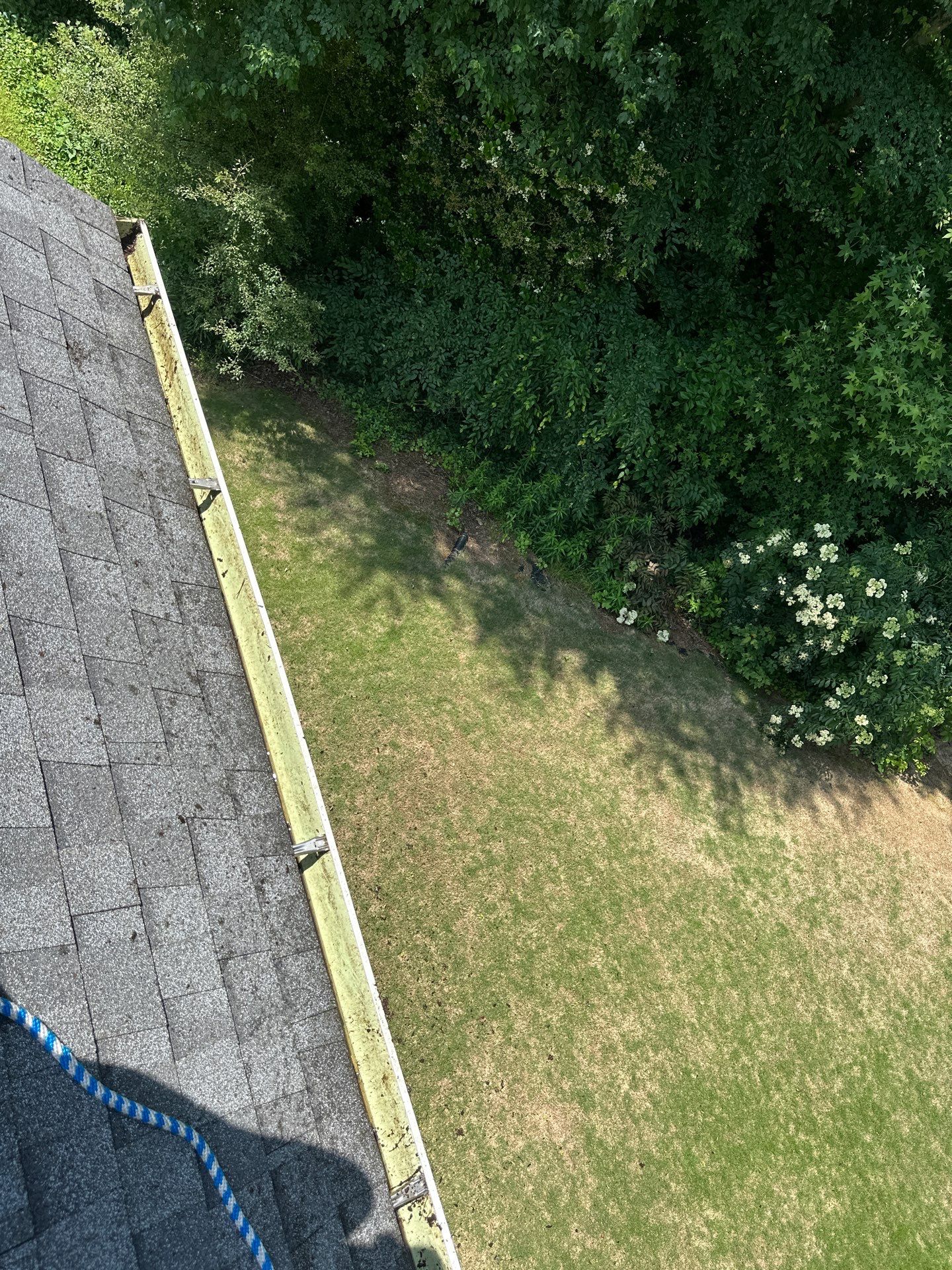
No two homes are the same, so no two installs run the same either. We've worked on homes where the crew wrapped up before lunch, and others that stretched into a second day. The difference usually comes down to a handful of things we can spot during a walk-around before work even starts.
House size and roofline shape matter most. A single-story ranch with a simple roof is straightforward. But a two-story home with multiple gables, valleys, and roof pitches takes more time to measure, cut, and hang correctly.
- Roof complexity: more corners, valleys, and roof lines mean more seams and more time
- Fascia and soffit condition: rotted or damaged wood needs repair before gutters go up
- Material choice: some materials seam and fasten faster than others
- Access issues: tall trees, tight side yards, or steep drops slow down ladder work
- Weather on install day: rain or high wind can pause work for safety
Fascia and soffit condition catches people off guard the most. We see this often, a homeowner books an install expecting a quick job, but once the old gutters come down, we find soft, rotted fascia boards underneath. That wood has to be replaced before new gutters can be hung securely. It's not something we can skip, because gutters need a solid, dry surface to attach to.
Downspout placement adds time too. If your home needs new downspout runs or underground drainage to move water away from the foundation, that's extra digging and connecting work on top of the gutter hang itself. The clay-heavy soil around here can also slow trenching work when we're routing water underground away from the house.
Tree cover plays a bigger role than most people expect. This area has a lot of mature oak and pine trees close to homes. Thick canopy over the roofline means more careful ladder placement and sometimes a quick round of tree pruning first, just to give the crew safe, clear access to the roofline.
Here's a real scenario. We had a job where the front of the house was simple, but the back had three roof valleys draining into one corner. That corner alone added almost two extra hours because it needed custom cuts and reinforced hangers to handle the water load.
Old gutter removal is another factor. Pulling down decades-old gutters that are nailed, screwed, and caked with old sealant takes longer than removing a newer system. And if the old gutters pulled fascia boards loose when they came down, that's more repair time before the new system goes up.
So how do you know what your home needs? That's exactly why we ask to walk the property with you before any work begins.
For an estimate, we do need you there. We want to look at the roofline together, point out any soft fascia or drainage issues, and talk through solutions that fit your specific house, not a one-size-fits-all plan. Gutter cleaning visits work differently, since we always take pictures during the visit so you can see exactly what we found and what we did.
Why Fascia Condition Is the Real Wildcard
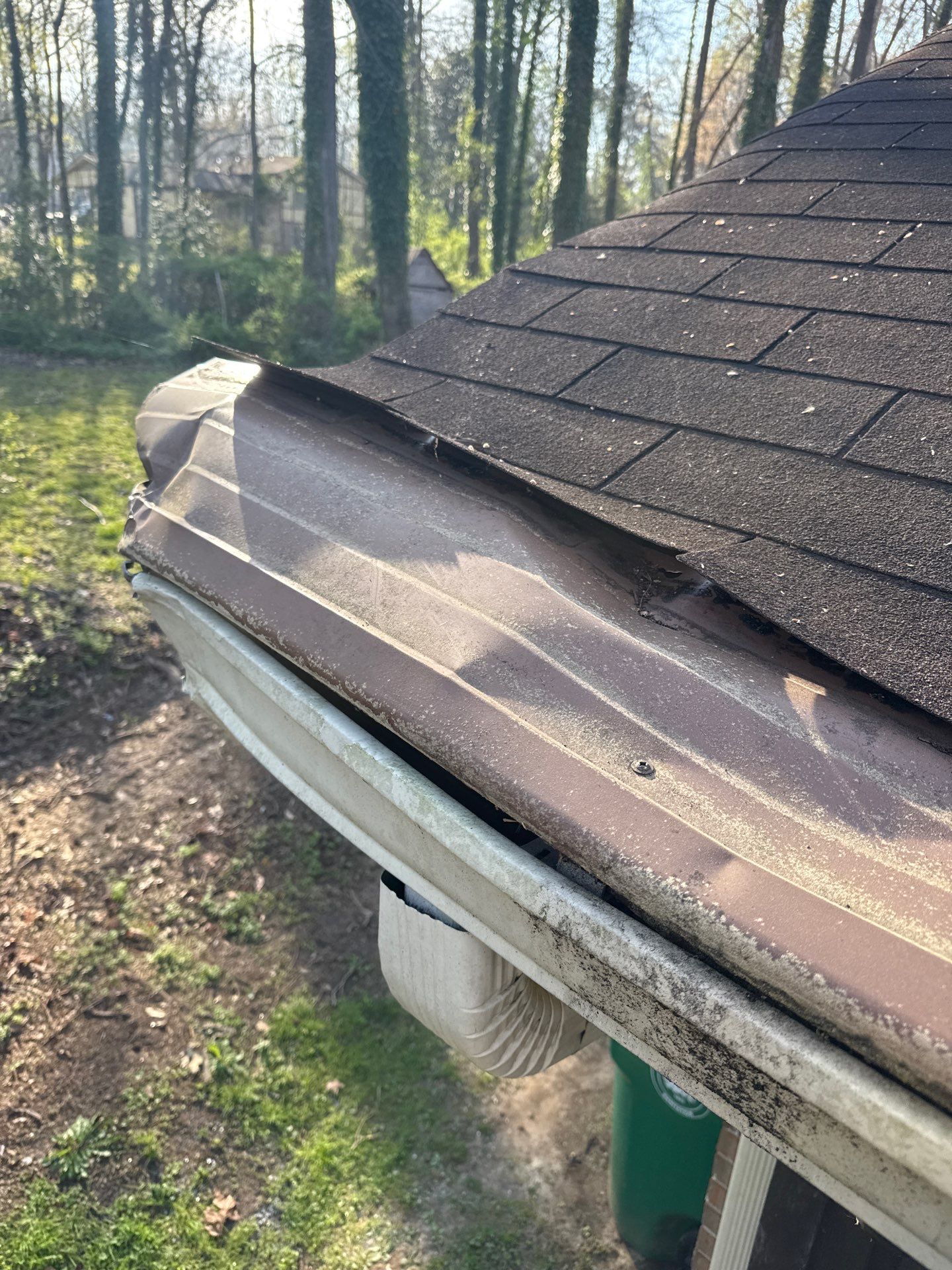
Here's the part nobody tells you upfront. Gutters don't hang on air, they hang on fascia boards. And if that wood is soft, rotted, or pulling away from the roofline, your install just got a lot more complicated.
We see this often. A homeowner books a straightforward gutter install, thinking it's a few hours of work. Then we get up on the ladder and find fascia that's spongy from years of trapped moisture. The area has plenty of homes from the 60s, 70s, and 80s with original wood fascia, and decades of leaf debris and standing water take a toll. That board is the anchor point for every hanger and screw holding your new gutters in place.
Think of fascia as the frame around a picture. You can hang the nicest picture in the world, but if the frame is cracked, it's not staying on the wall.
So what slows down an install? It usually comes down to a few things we find once we start pulling old gutters down.
- Soft or rotted wood that needs Fascia Repair or full Fascia Replacement before new gutters go up
- Nail holes and gaps from old hangers that need patching so the new system has solid material to grip
- Water staining or discoloration that signals hidden rot behind the visible surface
- Sagging sections where the fascia has already pulled away from the rafter tails
- Soffit damage discovered at the same time, since soffit and fascia sit right next to each other
Any one of these can add hours to a job that looked simple on paper. And if we find rot in one spot, we're going to check the whole run, not just patch and move on. That's the proactive part of this work. We're not just hanging gutters for today, we're making sure the next big storm doesn't rip them right back off because the wood underneath gave out.
This is exactly why we ask to walk the property with you during a Gutter Estimate. Pictures alone don't always tell the full story on fascia, especially rot that's hiding under paint or trim. We need eyes on it, and we need you there too, so we can talk through what we're seeing and figure out solutions that fit your home. A regular Gutter Cleaning visit works differently, since we take photos throughout so you can see exactly what we found and what we did, no guesswork involved.
A quick real-world example. We had a job on a heavily wooded lot where the owner expected a same-day install. Once we pulled the old system down, three sections of fascia were too far gone to hold new hangers safely. We paused, explained the issue, and priced out the repair alongside the install so it could all get handled in one visit instead of a callback two months later.
That's the difference between a rushed job and one built to last.
Looking for the service itself?
This guide covers the decision. The Gutter Installation page covers what the visit includes and how to book it.
SEE GUTTER INSTALLATIONTrusted by Homeowners
Licensed and insured. Real prices before we start. Before and after photos with every invoice.
Frequently Asked Questions
How do I know if my home will need same-day gutter installation or a two-day job?
Same-day installs are common for smaller homes with simple rooflines, while homes with multiple gables or valleys often need extra time. Roof shape matters more than square footage. A large ranch with one clean roofline can finish faster than a smaller home with tight corners and angles. The only way to know for sure is to have your roofline measured on site, which is why we walk the property with you before scheduling any work.
Why would a bigger house take less time than a small one?
It comes down to roof geometry, not size. A large home with one simple roofline needs fewer seams and cuts than a small home packed with valleys and corners. Every corner and end cap adds hanging time. We measure each roof on site before committing to a schedule, because guessing about roof complexity almost always leads to delays on install day.
How does rotted fascia affect my gutter installation timeline?
Soft or rotted fascia adds time because that wood has to be replaced before new gutters go up. Gutters attach directly to the fascia board, so it needs to be solid and dry. This problem often shows up only after the old gutters come down, which is why crews sometimes find extra repair work mid-job that wasn't visible during the estimate.
Does tree cover slow down gutter installation?
Yes, mature oak and pine trees near homes can slow down ladder access and add time to the job. Thick canopy over a roofline sometimes calls for quick pruning first, just to give the crew safe, clear space to work. Homes with heavy tree cover near the roof edge should expect a bit more setup time compared to open, sunny lots.
Does soil type affect how long a gutter installation takes?
It can, especially when downspouts need underground drainage lines. The clay-heavy soil here is denser and slower to trench through than sandy or loose soil. If your home needs new downspout runs routed away from the foundation, that digging adds time beyond the basic gutter hang. This is one of several factors we check during a property walk-through before setting expectations for your schedule.
Is it worth waiting for dry weather to schedule a gutter installation?
Yes, weather on install day can pause work for safety reasons, especially rain or high wind. A delayed start due to weather isn't a sign of a poorly run job, it's a normal part of scheduling outdoor work. If you want a clearer sense of how your specific home's roofline and site conditions affect timing, schedule your estimate and we'll walk the property with you before locking in a date.
Still Not Sure What You're Looking At?
Send us a photo or book a visit. We'll tell you what it is before anyone quotes a price.
BOOK NOW (opens in a new tab)Or call (404) 994-3494

Metro Atlanta's dedicated gutter specialists. Cleaning, repair, replacement, downspouts, drainage and soffit work, done right the first time with photo proof on every job.
Gutter Services
Drainage & Roofline
© 2026 Shelter Guard Gutter Cleaning and Repair. All Rights Reserved.