No clogged gutters. Cleaned in 24 hours or less.
Home Guides Early Signs of Fascia Damage
Fascia Replacement
Early Signs of Fascia Damage: What Homeowners Should Watch For
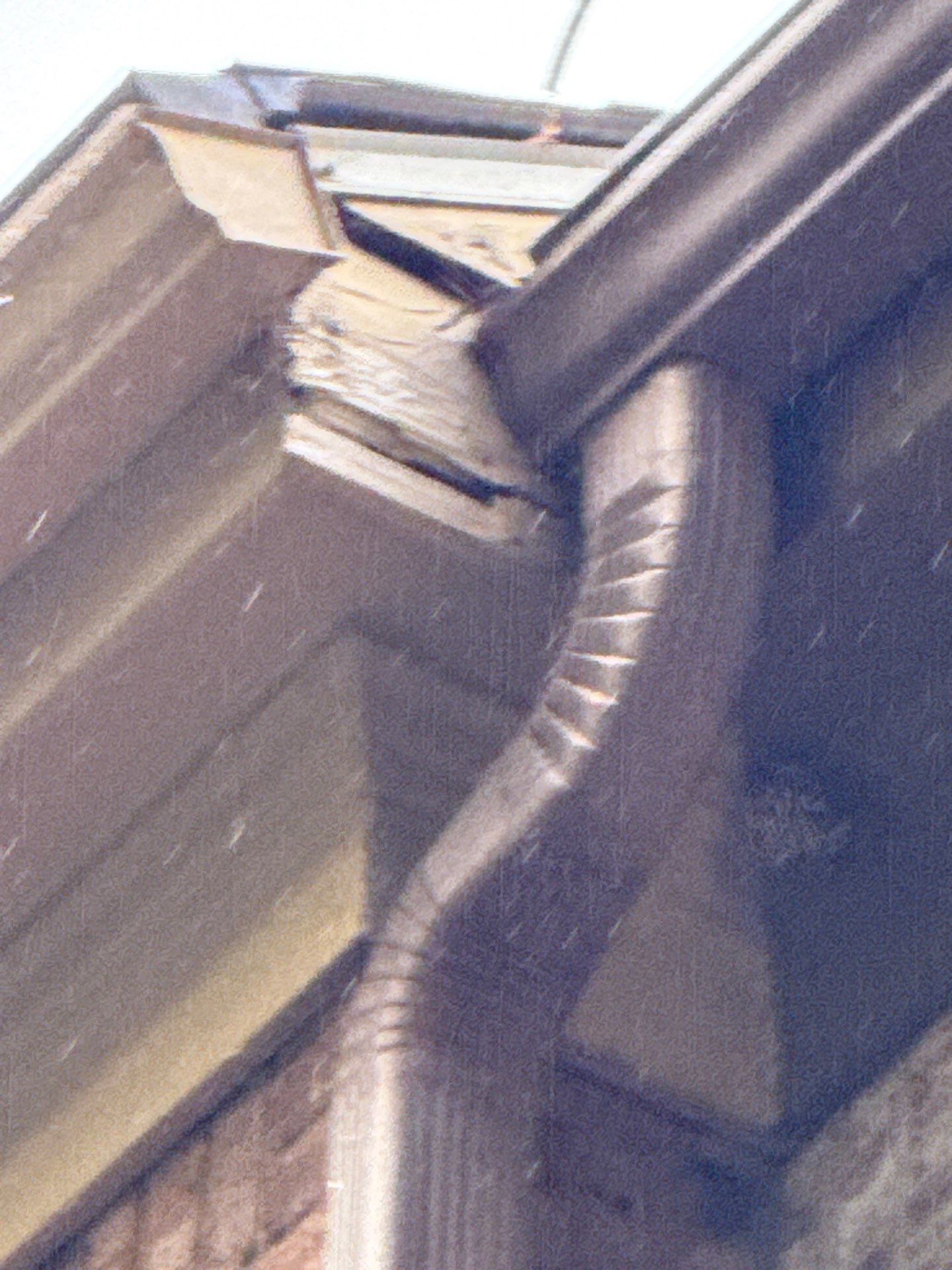
By the time fascia board sags, peels, or crumbles, water has usually been sitting in the wood for months or longer.
Why the Obvious Signs Are Already Late-Stage Damage
By the time fascia board sags, peels, or crumbles, water has usually been sitting in the wood for months or longer. The obvious signs are the end of the story, not the start. Early fascia damage shows up as small paint blisters, hairline gaps behind the gutter, and gutter spikes that won't stay tight.
Here's the part most homeowners miss. Fascia rot doesn't begin with a visible problem. It begins with moisture that has nowhere to go.
Wood absorbs water slowly and quietly. A clogged gutter holds standing water against the back of the board, and that board stays damp for weeks. Paint on the front still looks fine. But behind it, fibers are softening. We see this mistake all the time, folks assume clean paint means healthy wood.
So by the time you spot a sag from the driveway, the damage has already worked through the board.
Fascia damage follows a pretty predictable order. Knowing that order tells you where you stand.
- Water backs up behind the gutter or spills over the lip during a heavy downpour.
- The back face of the fascia board stays wet between storms with no airflow to dry it.
- Paint on the front begins to blister or bubble in small patches, usually near seams and corners.
- Nails and gutter spikes lose their grip because the wood around them has gone soft.
- The gutter pulls away, creating a visible gap and letting even more water hit the board.
- Rot reaches the rafter tails and soffit behind the fascia.
- The board sags, splits, or crumbles when touched.
Steps one through four are where a repair is simple. Steps five through seven are where the bill starts climbing, because now you're not just replacing a board. You're dealing with framing.
A homeowner called us about a gutter that kept coming loose. Third time in two years, he said. He'd been driving new spikes in himself each time. The spikes weren't the problem, the fascia behind them had turned to sponge. Nothing left to hold a fastener.
That loose gutter had been telling him the truth for two years. He just read it as a gutter issue instead of a fascia issue.
This is why we photograph everything. On every gutter cleaning visit, our crew documents the fascia, soffit, and gutter line and sends you the pictures. You don't need to be home for a cleaning, we handle it and you get the visual record. That's how small problems get caught while they're still small.
Estimates work differently. For those we ask that you're present, so we can walk the roofline together and talk through options that fit your house and your situation. Hard to solve a problem you can't see with your own eyes.
This area's mix of hardwood cover and long humid stretches keeps fascia boards damp longer than most folks expect. Older homes with wood fascia and tight soffit venting sit at the highest risk. And once water gets in, it doesn't wait for a convenient season.
Early Warning Signs You Can Check From the Ground
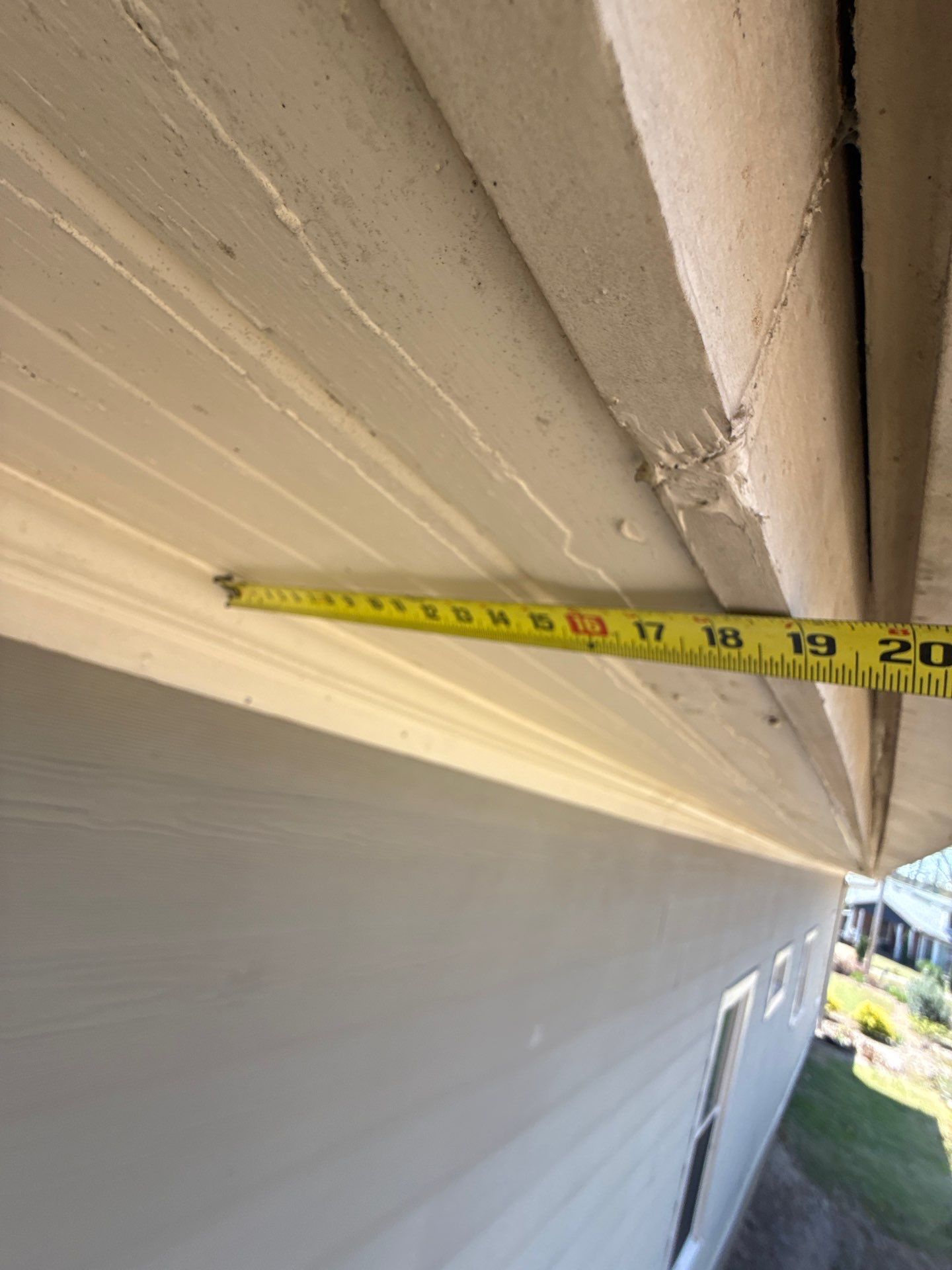
Most fascia problems announce themselves long before the board gives out. You just have to know what you're looking at. Grab a flashlight, walk the perimeter of your house, and look up at the band of wood behind your gutters. That's the fascia. It's the board your entire gutter system hangs from, and it's the last line of defense for your roof edge.
Here's what we find first on homes in the area, usually on the shaded north and east sides where things stay damp the longest.
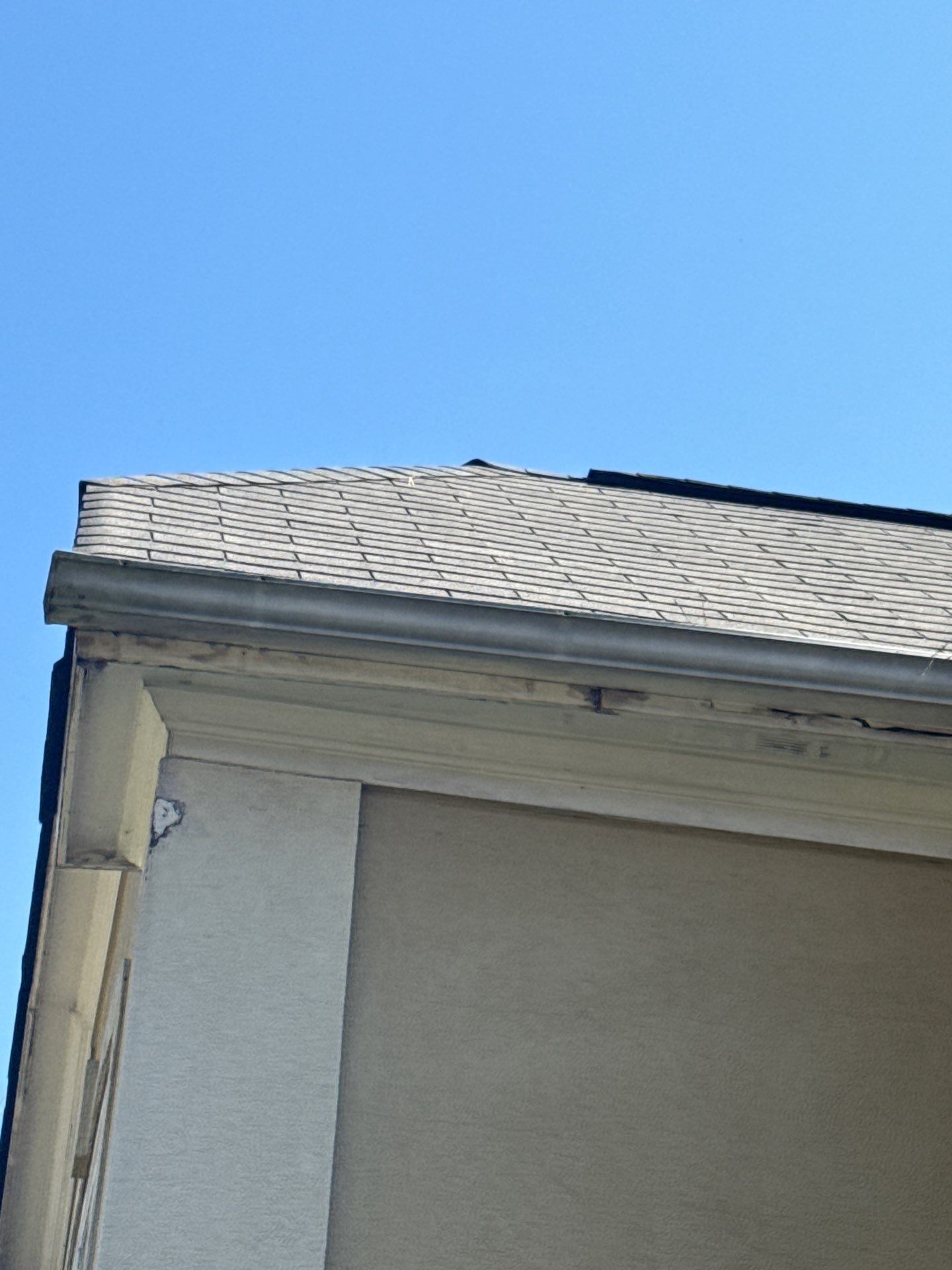
- Peeling or bubbling paint along the fascia board, especially in one concentrated stretch rather than the whole run
- A gutter section that sags, tilts forward, or sits lower than the rest of the line
- Dark streaks or water stains running down the face of the board beneath a gutter seam
- Visible gaps between the back of the gutter and the fascia where daylight shows through
- Nails or hangers backing out, sometimes leaving rust trails on the paint below
- Soft, wavy, or swollen wood that looks like it's slumping instead of sitting flat
Peeling paint is the big one. Paint doesn't fail randomly, it fails where moisture pushed it off from behind. So when you see one three-foot stretch bubbling while the rest of the board looks fine, water is sitting there. That spot is your problem area.
We see this mistake all the time. A homeowner repaints the fascia, feels good about it, and the paint lifts again eight months later. The paint was never the issue.
Now for the walkthrough. Do it in this order, it takes about ten minutes.
- Start at a corner and walk the full perimeter, looking up at the fascia line from about fifteen feet back so you can see whether the gutter runs straight.
- Move in close on any spot where the line dips or the paint looks off, and take a photo with your phone for reference.
- Check directly under each downspout and gutter corner, since seams and joints leak first.
- Look at the soffit panels underneath for staining, sagging, or gaps, because soffit damage almost always means fascia damage behind it.
- Scan the ground below for paint chips, rust flakes, or bits of wood fiber that fell off the board.
- Note anything you found, then repeat the same walk after the next heavy rain and compare.
Why check after rain? Because active leaks show themselves when water is moving. A stain that looks old and dry tells you less than a stain that's wet.
One more clue people miss entirely: birds and wasps. If you're seeing nesting activity tucked up under the roof edge, something opened up. Critters don't chew through solid wood, they move into gaps that already exist. Soft fascia gives them an easy door.
A client called us about squirrels in the attic. The real story was ten feet of rotted fascia behind a clogged gutter that had been overflowing for two seasons. The squirrels were a symptom.
Signs That Mean Damage Has Already Progressed
Early fascia damage whispers. Advanced fascia damage announces itself. By the time you're seeing the signs below, water has been sitting behind that board for months, sometimes a full season or two. The wood has gone from damp to soft to structurally useless.
And here's what most people don't realize until we're on the ladder: fascia doesn't fail alone. It holds your gutters. So when it rots, the gutter system starts pulling away from the house, and the water that used to drain properly now runs straight down your siding and into the soil at your foundation. One rotted board turns into three separate problems.
These are the signs that mean the repair window has closed and you're now looking at replacement.
- Gutters sagging, tilting, or visibly separated from the roofline
- Spike or screw holes that have widened, with fasteners backing out on their own
- Wood you can push a screwdriver into with almost no resistance
- Dark staining or streaking running down the siding below the fascia
- Soffit panels drooping, buckling, or falling loose at the seams
- Wasps, bees, or squirrels using the gap between fascia and roof edge as a door
- Interior ceiling stains along an exterior wall, especially near a corner
That last one catches people off guard. They call us about a ceiling spot and assume it's the roof. Half the time it's the fascia and the gutter behind it, dumping water where it shouldn't go for the better part of a year.
Want to know where you stand before you call anyone? Do this from the ground first.
- Stand back about twenty feet and look down the length of your gutter line. It should be dead straight.
- Note any spot where the gutter dips, bows outward, or shows daylight behind it.
- Walk the perimeter after a hard rain and look for streaking on the siding below those spots.
- Check the soffit underneath for sagging panels or peeling paint.
- Look at your ceilings inside along exterior walls for faint brown rings.
- Write down every location you flagged, then stop. Don't climb up to test the wood yourself.
We tell people to stop at step six for a reason. Rotted fascia won't hold a ladder's weight the way solid wood does, and leaning a ladder against a compromised board is how a small repair becomes an emergency room visit.
A homeowner called us last fall about one sagging gutter section on the back of the house. Just one, she thought. We found soft fascia running fourteen feet along the rear roofline and two soffit panels already separating. Older homes around here sit under heavy oak and pine cover, and that shade keeps the north-facing fascia damp long after everything else has dried out. That's where it always starts.
But catching it at fourteen feet is still a win. Left another year, that same board takes the rafter tails with it, and then you're not talking about fascia work anymore.
Looking for the service itself?
This guide covers the decision. The Fascia Repair page covers what the visit includes and how to book it.
SEE FASCIA REPAIRTrusted by Homeowners
Licensed and insured. Real prices before we start. Before and after photos with every invoice.
Frequently Asked Questions
What is the very first sign of fascia damage most homeowners miss?
The first sign is usually a small patch of peeling or bubbling paint, not a sag or crack. Paint lifts from behind when moisture builds up under it, long before the wood looks bad from the ground. Clean-looking paint on the rest of the board can fool you into thinking everything is fine. If you spot one bubbling section while the rest looks normal, that's where water is trapping itself right now.
How do I know if a loose gutter means fascia damage or just a hardware problem?
A gutter that keeps pulling loose, even after new spikes, usually means the fascia behind it has gone soft. Nails and spikes need solid wood to grip. If they keep backing out, the wood around them has weakened. This is a common mistake around here, where homeowners re-drive spikes for years without checking the board itself.
Does the climate here make fascia damage worse than in other areas?
Yes, our humid stretches and heavy tree cover keep fascia boards damp longer than drier climates allow. Shaded north and east sides of a house dry slowest, so damage often starts there first. Older homes with wood fascia and tight soffit venting face the highest risk. Regular checks matter more here because moisture doesn't get a break between storms.
Should I try to inspect or repair fascia damage myself, or call a professional?
You can do the ground-level walkthrough yourself with a flashlight, but repairs need a professional once wood has softened. Checking for peeling paint, gaps, or sagging gutters is safe and useful on your own. Once fascia feels soft or spongy, though, framing and rafter tails may already be affected. That's a job for trained hands, not a weekend fix.
Why does soffit staining matter if the damage looks like it's just on the fascia?
Soffit staining almost always means fascia damage is happening behind it. The soffit sits right under the fascia board, so water traveling down the fascia often shows up there first. If you see dark spots or sagging on your soffit panels, treat it as an early warning, not a separate issue. Catching this connection early keeps repairs simple instead of structural.
Can I wait until spring to deal with early fascia warning signs?
No, waiting lets moisture keep working on the wood between now and then. Fascia damage doesn't pause for seasons, it just keeps softening the board quietly. A small paint bubble today can turn into a sagging, spike-losing section within months. Learning the early warning signs of fascia damage now helps you catch problems while they're still small and easy to fix.
Still Not Sure What You're Looking At?
Send us a photo or book a visit. We'll tell you what it is before anyone quotes a price.
BOOK NOW (opens in a new tab)Or call (404) 994-3494

Metro Atlanta's dedicated gutter specialists. Cleaning, repair, replacement, downspouts, drainage and soffit work, done right the first time with photo proof on every job.
Gutter Services
Drainage & Roofline
© 2026 Shelter Guard Gutter Cleaning and Repair. All Rights Reserved.