No clogged gutters. Cleaned in 24 hours or less.
Home Guides Warning Signs Your Building's Gutters Need Attention
Commercial Gutter Cleaning
Warning Signs Your Building's Gutters Need Attention
Gutters send clear signals before they fail, sagging lines, peeling paint, and water marks on the fascia all mean trouble.
What Your Gutters Are Really Telling You
Quick Summary:
Gutters send clear signals before they fail, sagging lines, peeling paint, and water marks on the fascia all mean trouble. Catching these signs early protects the roof, siding, and foundation of your home. Most warning signs are visible from the ground if you know where to look.
Your gutters talk to you all the time. Most people just don't speak the language yet. A gutter system is quiet when it's working right. Once it starts pulling away from the fascia board or sagging in the middle, it's already telling you something failed upstream, usually too much weight from wet leaves or a clog that's been sitting for months.
We see this mistake all the time in neighborhoods with big oak and pine trees. Homeowners assume a little sag is cosmetic. It's not. That dip in the line means water is pooling instead of draining, and standing water is heavy. One foot of clogged gutter can hold several pounds of water plus debris. Add that up across a 100-foot roofline and you've got real structural stress on the fascia and the brackets holding everything up.
So what are the warning signs your building's gutters need attention? Start by walking the perimeter of your home after the next rain. Look up at the roofline, not just the ground below.
- Water spilling over the sides during rain instead of flowing through the downspout
- Sagging or pulling gutters that no longer sit flush against the fascia
- Peeling paint, dark streaks, or rot on the fascia board itself
- Visible plant growth or moss sprouting from inside the gutter channel
- Pooling water or soil erosion near the foundation after storms
That last one, pooling near the foundation, is the sign most people miss. Water isn't supposed to sit next to your home's foundation, ever. If you're seeing puddles form in the same spot after every rain, your gutters or downspouts aren't moving water far enough away from the house. Left alone, that pattern can lead to cracked foundations and basement moisture down the road.
Here's a scenario we run into a lot. A homeowner calls because their crawlspace smells damp. Nine times out of ten, it traces back to a gutter that's been overflowing for a season or two, quietly soaking the soil right at the foundation line. By the time it's noticeable indoors, the outdoor damage has been happening for a while.
Rust spots, separated seams, and nail heads popping out of the fascia are smaller signs, but they add up. And if you notice your gutters swaying or shifting in wind, that's a structural warning, not a cosmetic one. Don't wait for a full collapse to take it seriously.
For a routine gutter cleaning, you don't even need to be home. We take photos throughout the visit so you can see what we found and what we cleared, before and after. But if you're dealing with sagging, separation, or fascia damage and want a gutter estimate, we do ask that you're present. That way we can walk the property together and talk through solutions that fit your home's setup, not a one-size-fits-all fix.
Visible Signs of Gutter Damage You Can Check From the Ground
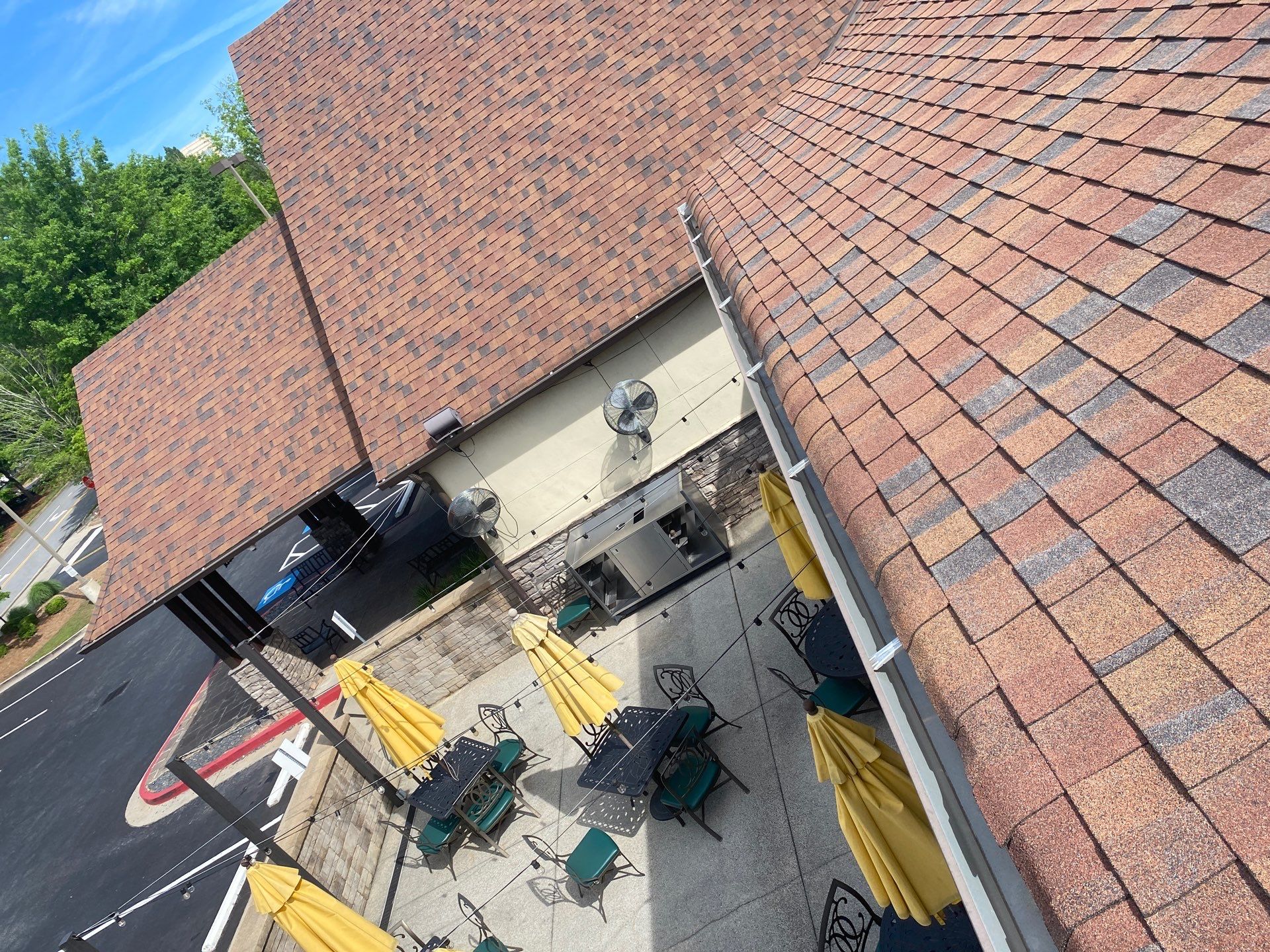
You don't need a ladder to catch most gutter problems. Grab a coffee, walk your yard, and look up. Most of the damage that costs homeowners real money starts small and stays visible from the ground for months before anyone notices it.
We've walked hundreds of properties around here, from older brick homes to newer builds. The pattern is always the same: the signs were there, nobody looked.
So what should you look for? Here's what we check on every visit, and what you can spot yourself in five minutes.
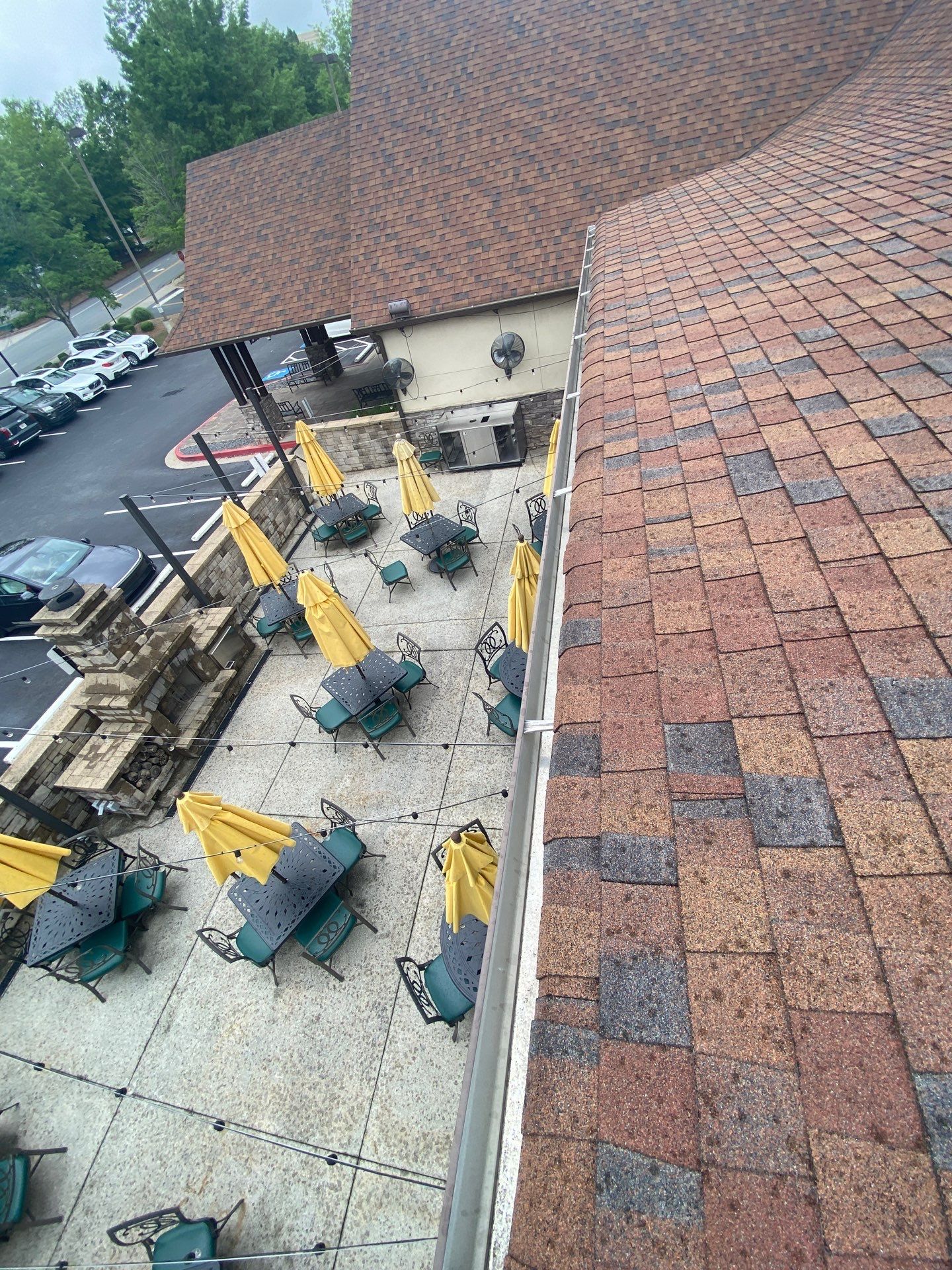
- Sagging sections that dip instead of running straight along the roofline
- Streaks or stains on the fascia board, usually a dark vertical line under a joint
- Gutters pulling away from the house, leaving a gap you can see daylight through
- Plants or moss growing out of the gutter itself, a sure sign of trapped debris
- Peeling paint or rust spots on the gutter face near seams and corners
Sagging is the big one. A gutter that dips even an inch is holding standing water, and standing water is heavy. One ten-foot section full of water and wet leaves can weigh over 100 pounds, and that weight pulls hangers loose fast.
Here's a scenario we run into a lot. A homeowner calls because they noticed a brown stain running down their siding after a storm. They assume it's a roof leak. It's almost never the roof. It's an overflow point, water spilling over the gutter edge because it's clogged or pitched wrong. That stain is your gutter waving a flag at you.
Rust and peeling paint matter too, especially on older metal gutters. Once rust starts eating through a seam, it doesn't stop on its own. And a gap between the gutter and the fascia board means fasteners have already failed somewhere back there.
One more thing to check: look at the ground below your downspouts after a hard rain. Splash erosion, little trenches carved into your mulch or grass, means water isn't making it into the downspout at all. It's just falling straight off the edge.
We take photos during every gutter cleaning visit, before and after, so you can see what we found without needing to climb up there yourself. You don't have to be home for a standard cleaning. We handle it, document it, and you get the full picture afterward. If we spot something that needs a real fix, that's a different conversation, and it's one where we want you there in person, walking the property with us so we can talk through solutions that fit your home.
If you've spotted two or more of these signs, don't wait on it.

Signs Your Gutters Are Clogged or Blocked
A clogged gutter rarely stays quiet about it. Your building usually gives you a warning first, you just have to know where to look. A lot of homes here sit under mature oak and pine cover, and that means leaves, pine needles, and seed pods build up fast in the fall and spring. We've walked up to plenty of homes on older streets where the owner had no idea their downspouts hadn't drained properly in months.
So what does a blockage look like from the ground? Here are the signs we check for first on every visit.
- Water spilling over the sides of the gutter during or right after rain, instead of running through the downspout
- Sagging or pulling gutter sections, which usually means trapped water weight is stressing the hangers
- Plants or small weeds sprouting out of the gutter line, a sure sign of built-up debris and soil
- Stains or streaks on your siding or fascia board, often the first visible clue of overflow
- Pooling water or soft, muddy spots near your foundation after storms
Any one of these on its own might not mean much. But two or three together? That's usually a clog working its way toward a bigger problem.
We had a call last fall from a homeowner who noticed water sheeting off one corner of her roof every time it rained. She figured it was normal runoff. It wasn't. Debris had packed into a downspout elbow, and the backup was pushing water behind the fascia board. By the time we got there, the wood was already starting to soften.
That's the part people don't expect, a clog doesn't just mean dirty gutters. It means water is going somewhere it shouldn't. And once it starts soaking into fascia, soffit, or your foundation edge, the fix gets bigger and more expensive fast.
Most people don't realize this until it's too late.
One more thing worth mentioning: birds and small pests love a clogged gutter. If you're hearing scratching sounds up near the roofline or noticing nests tucked into the corners, that's often debris buildup creating a cozy hiding spot.
You don't need to climb a ladder to check any of this yourself. We handle gutter cleaning without needing you home, and we always take photos during the visit so you can see what we found and what we cleared out. If you'd rather have eyes on the problem before it turns into a repair, our gutter cleaning page walks through how the process works.
Looking for the service itself?
This guide covers the decision. The Commercial Gutter Cleaning page covers what the visit includes and how to book it.
SEE COMMERCIAL GUTTER CLEANINGTrusted by Homeowners
Licensed and insured. Real prices before we start. Before and after photos with every invoice.
Frequently Asked Questions
How often should I check my gutters for warning signs?
You should walk your property and check your gutters at least twice a year, plus after any major storm. A mix of oak and pine trees means debris builds up fast, sometimes within a few months. Checking in spring and fall catches most problems before they turn into fascia damage or foundation issues. If you notice sagging, stains, or overflow between checks, don't wait for your next scheduled look. Walking the perimeter after a hard rain is one of the easiest habits for catching trouble early.
Can I tell if my gutters are damaged without climbing a ladder?
Yes, most gutter damage is visible from the ground if you know what to look for. Sagging sections, dark streaks on the fascia board, and plants growing out of the channel are all signs you can spot with a simple walk around your home. Splash erosion under your downspouts is another ground-level clue that water isn't draining properly. You don't need to climb anything to catch these early. Look up, look for patterns, and check again after the next rain.
Is a little bit of gutter sagging really a problem?
Yes, even a small sag means your gutter is holding water it shouldn't be. Many homeowners assume a slight dip is just cosmetic, but standing water is heavy and pulls on the hangers holding your gutter in place. A single clogged section can weigh well over 100 pounds once you add wet leaves and debris. Left alone, that weight stresses the fascia board and brackets until they fail. Catching sag early is one of the clearest warning signs worth acting on.
Why do gutter problems seem worse in some neighborhoods than others?
Older neighborhoods with mature oak and pine trees tend to see more clogging and buildup than newer builds. Heavy tree cover means more leaves and pine needles falling into gutters throughout the year, not just autumn. This buildup traps moisture, speeds up rust, and adds extra weight that leads to sagging. If your home sits under mature trees, you'll likely see warning signs sooner than a home in a more open lot.
What's the difference between a clogged gutter and a damaged gutter?
A clogged gutter is blocked by leaves or debris but the structure itself is still sound, while a damaged gutter has physical problems like rust, separated seams, or pulled fasteners. Clogs cause overflow and standing water, which can eventually lead to real damage if ignored. Damage means the gutter itself needs repair, not just cleaning. Knowing which one you're dealing with helps you understand what kind of attention your building's gutters need, and it's a good first question to answer before scheduling an inspection.
Should I handle gutter warning signs myself or call a professional?
You can safely check for warning signs yourself from the ground, but sagging, separation, or fascia damage should go to a professional. Climbing a ladder to inspect or clear a gutter carries real fall risk, and it's easy to miss structural issues if you're not trained to spot them. If you've noticed two or more warning signs on your property, it's worth having someone walk the property with you and talk through what's happening.
Still Not Sure What You're Looking At?
Send us a photo or book a visit. We'll tell you what it is before anyone quotes a price.
BOOK NOW (opens in a new tab)Or call (404) 994-3494

Metro Atlanta's dedicated gutter specialists. Cleaning, repair, replacement, downspouts, drainage and soffit work, done right the first time with photo proof on every job.
Gutter Services
Drainage & Roofline
© 2026 Shelter Guard Gutter Cleaning and Repair. All Rights Reserved.